
Gilt Framed Art Prints
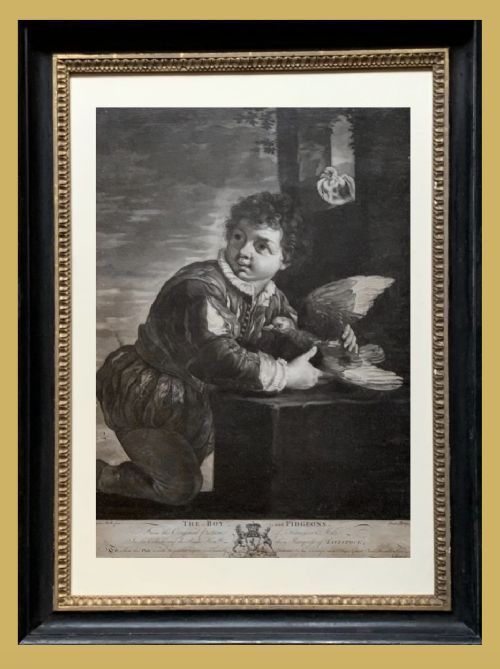
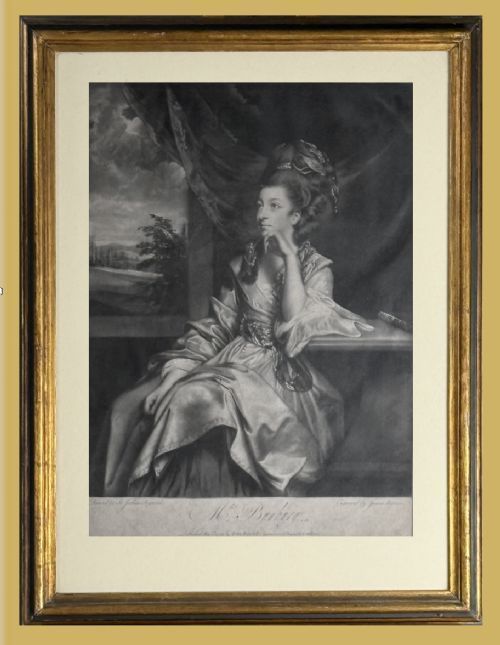
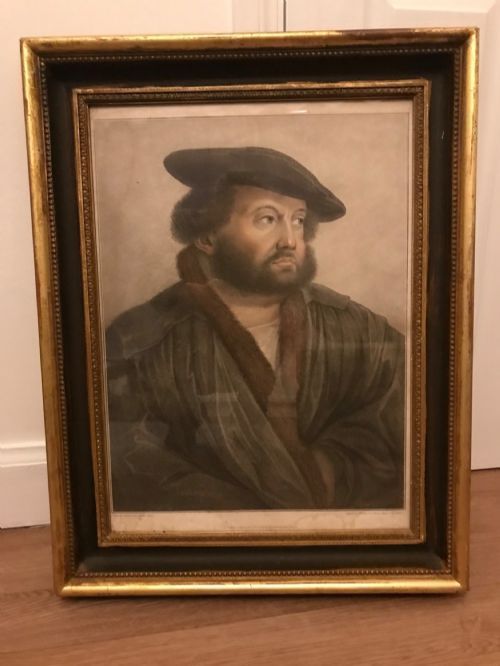
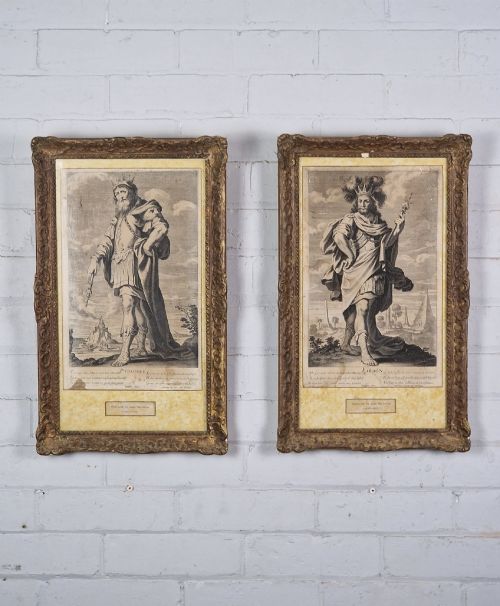
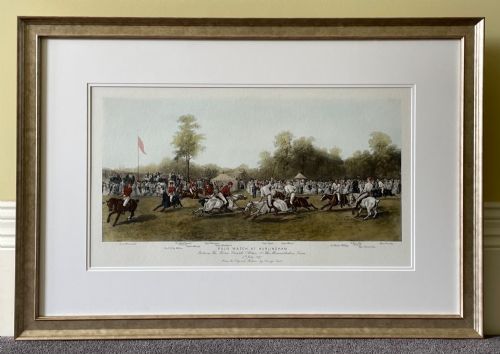
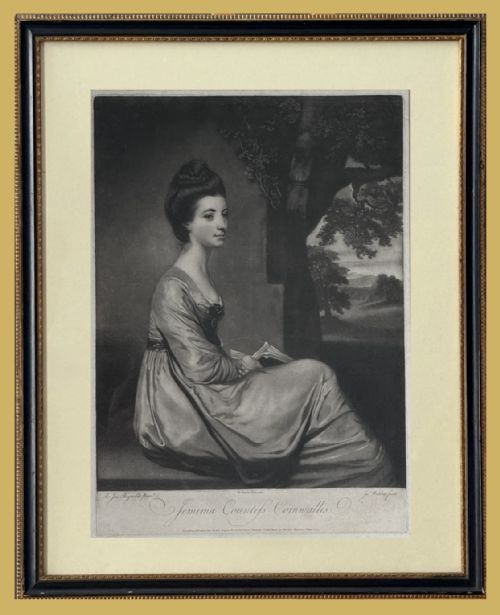
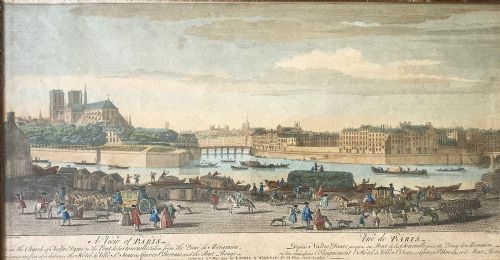
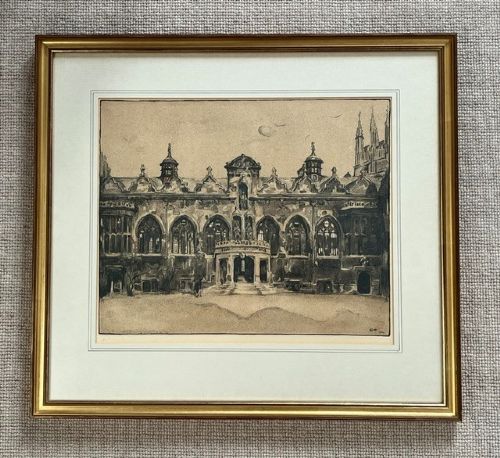
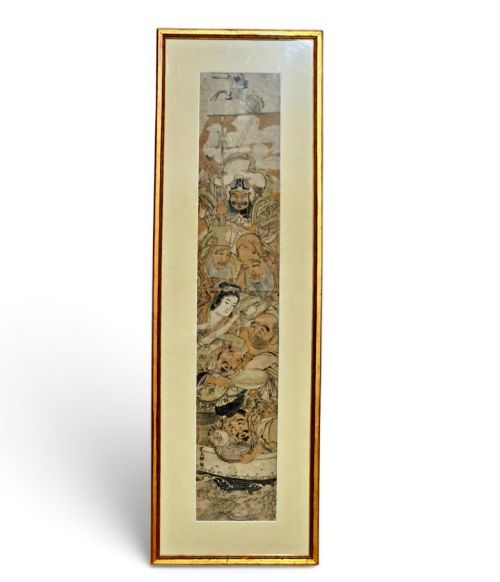
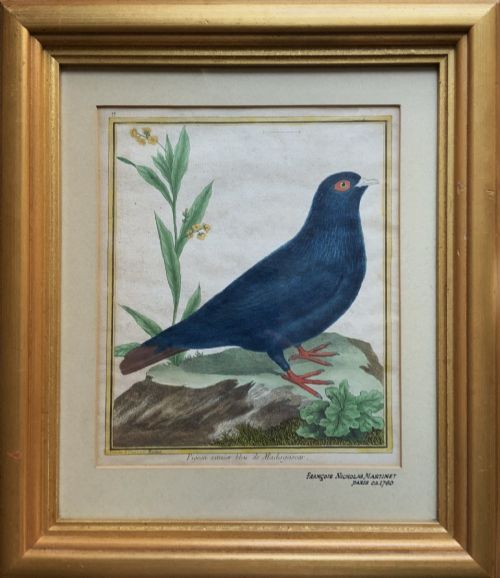
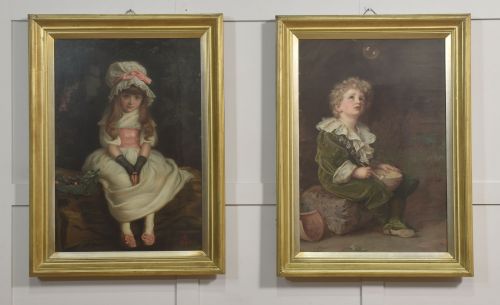
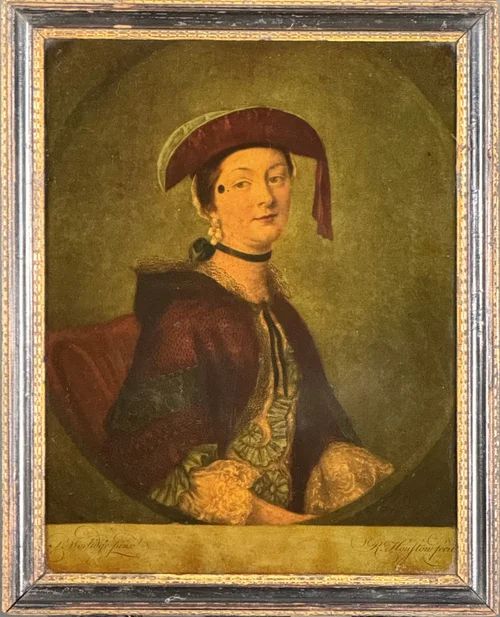
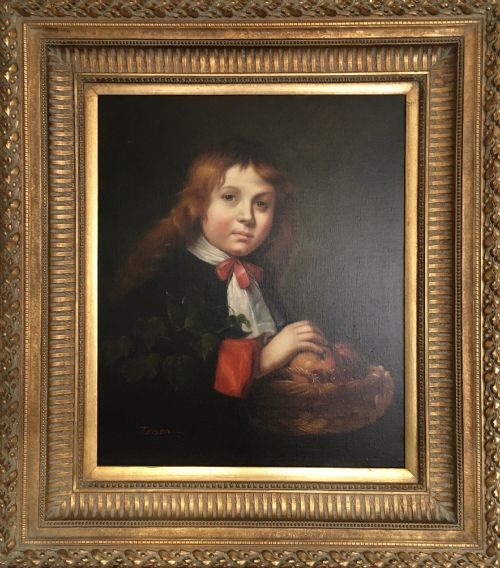
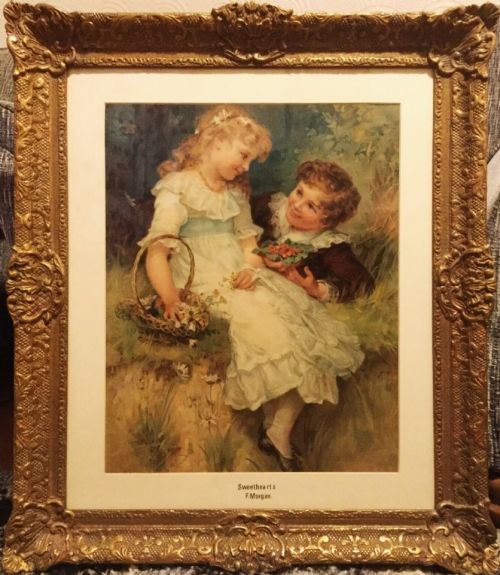
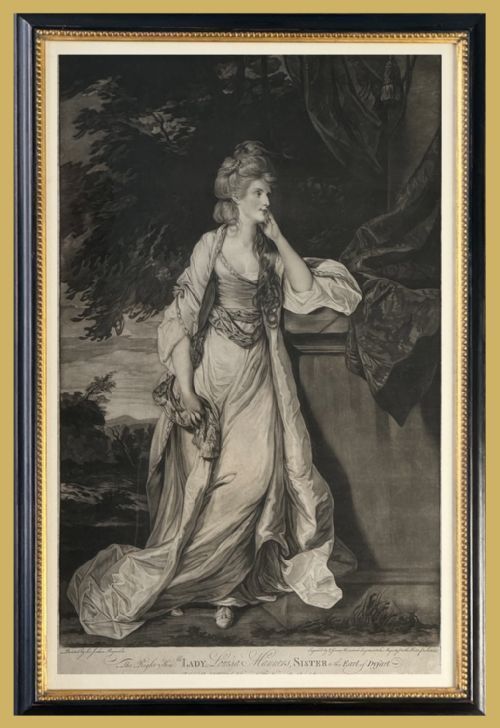
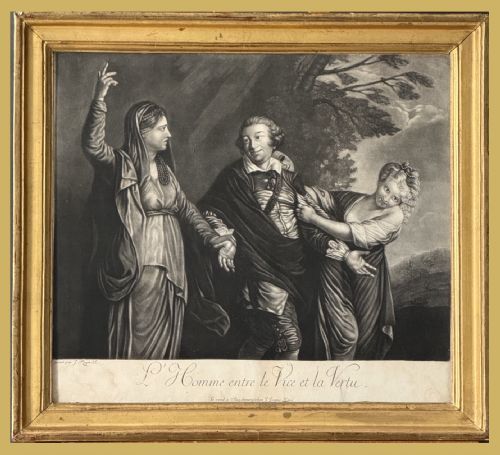
These gilt framed art prints combine historic paper engravings and lithographs with decorative wooden framing, offering collectors a striking window into past centuries.
What gilt framed art prints are
When you search for gilt framed art prints, you encounter works on paper preserved inside ornamental wooden frames finished with gold leaf or gilt. The selections here span the eighteenth century, the nineteenth century, and nineteen ten.
You are most likely to meet French engravings, Middle Eastern scenes, lithographs, and advertising prints within this group. These pieces function as wall art, bringing historical subjects and decorative imagery into domestic spaces.
How they were made
Makers utilised paper as the primary medium for the imagery, applying techniques such as engraving and lithography to produce detailed illustrative works. Engravings rely on incised lines holding ink, whilst lithography employs stone or metal plates for precise tonal reproduction.
The enclosing frames are constructed from wood and surfaced with gold leaf or gilt. Protection is provided by glass fitted over the paper surface, safeguarding the delicate prints from atmospheric damage.
Retail Price Guide 2026
Typical UK retail prices for gilt framed art prints, calculated from the Sellingantiques database of over a million retail prices indexed since 2003. This retail price guide relies exclusively on Sellingantiques data; no external sources or auction records are used, so the figures do not describe the wider market.
This collection spans three distinct periods: the eighteenth century, the nineteenth century, and the year nineteen ten.
What varies in quality
The distinction between tiers rests upon the execution of the imagery and the craftsmanship of the surrounding frame. Finer prints exhibit crisp impression quality and subtle hand-colouring, whereas lesser examples show diminished clarity.
Frame quality divides pieces according to the depth of the carving and the application of the gilt finish. Original gilding and substantial wooden construction elevate the overall character above standard replacements.
David Roberts·Victor Adam
The Gilt Framed Art Prints Glossary
- Engraving
- A printmaking technique where an artist cuts lines into a metal plate to hold ink. This method produces fine, precise details on paper.
- Lithography
- A planographic printing process based on the repulsion of oil and water. It allows for smooth tonal gradations in illustrative works.
- Gilt wood
- Timber treated with gold leaf or a gold-coloured metallic finish. It provides a reflective decorative border for artwork.
- Coloured engraving
- An engraved print that has received pigment by hand after the initial impression. This adds visual warmth to the printed composition.
Frequently Asked Questions
How should I hang these framed prints?
Position them at eye level on interior walls away from direct sunlight to protect the paper and the gilt frame from fading.
Ensure sturdy fixings are used, as the combined weight of the wood, glass, and paper can be substantial.
What periods do these pieces represent?
The selection encompasses eighteenth-century French works, nineteenth-century European pieces, and items from nineteen ten.
Each era brings distinct aesthetic qualities, from classical engraving styles to early commercial advertising.
How do I care for the gilt frames?
Dust the wooden and gilt surfaces gently with a dry, soft cloth to prevent the accumulation of dirt without disturbing the finish.
Avoid liquid cleaners or polishes, which can strip the gold leaf or seep beneath the glass to damage the paper print.
Are these prints original period works?
The listings comprise authentic historical items including nineteenth-century lithographs, eighteenth-century engravings, and vintage advertising prints.
Each piece originates from the specific period noted in its description, preserving the historic character of the imagery.