



Framed Black White Art
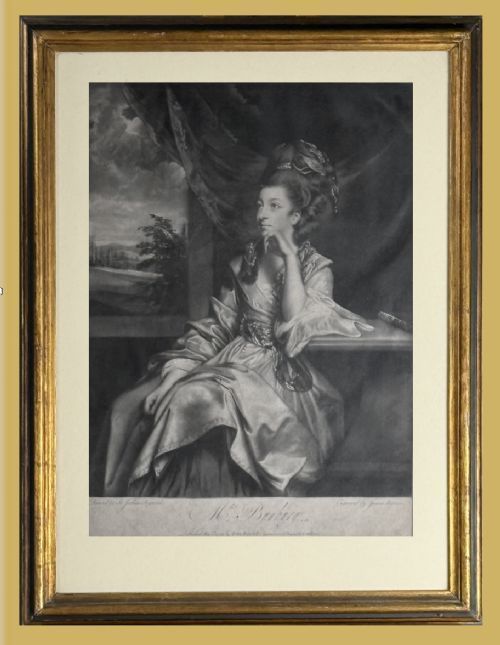
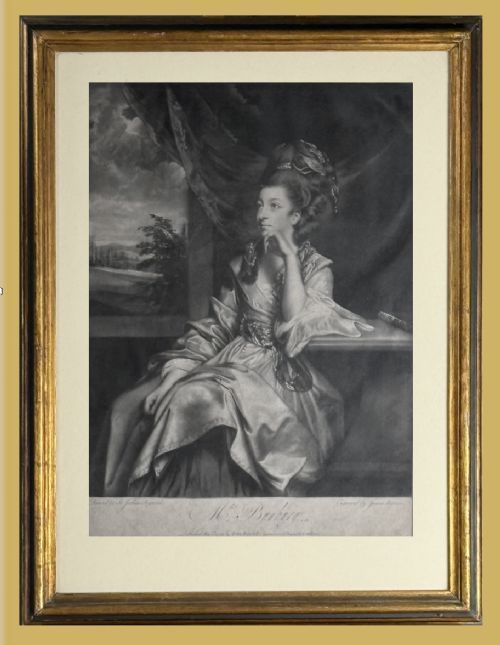
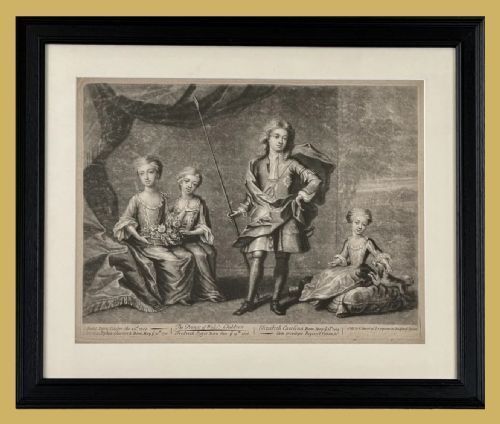
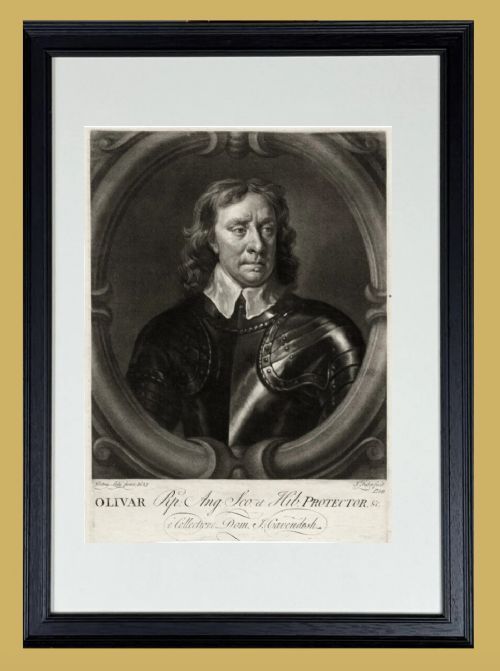
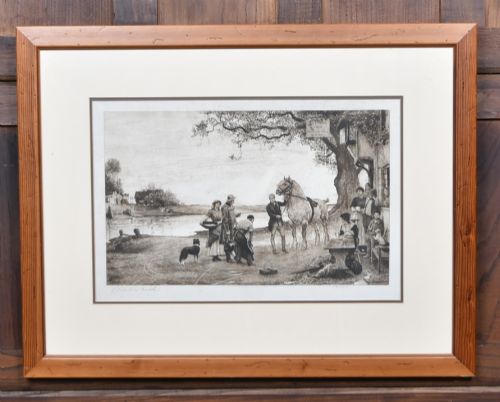
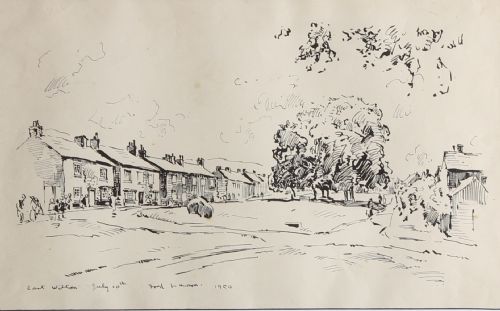
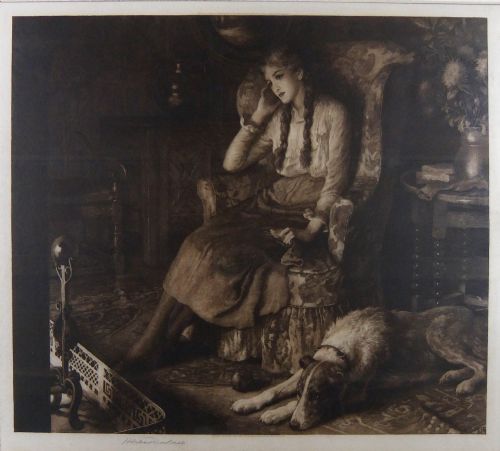
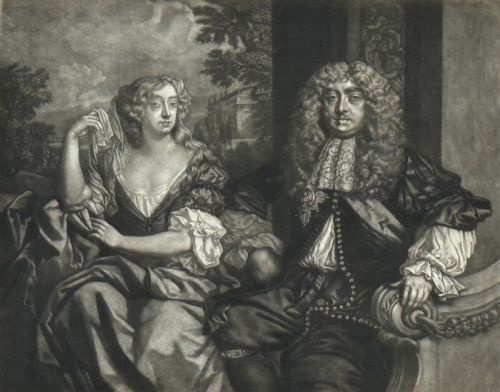
Framed black white art brings together centuries of monochrome printmaking, portraiture and etching enclosed within period timber and glass.
Framed Black White Art
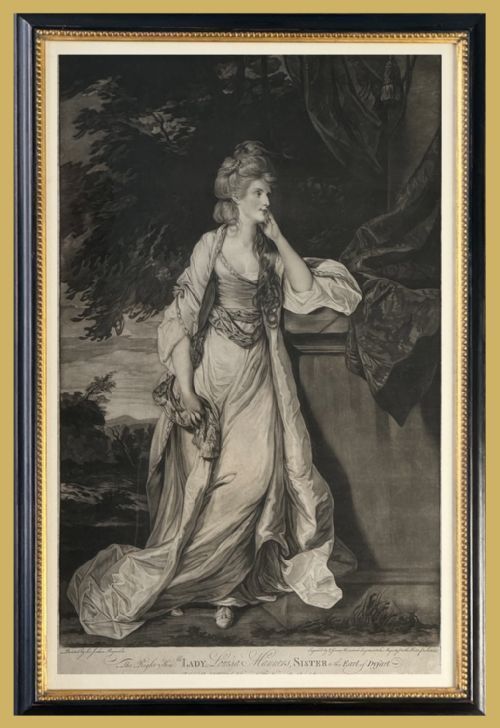
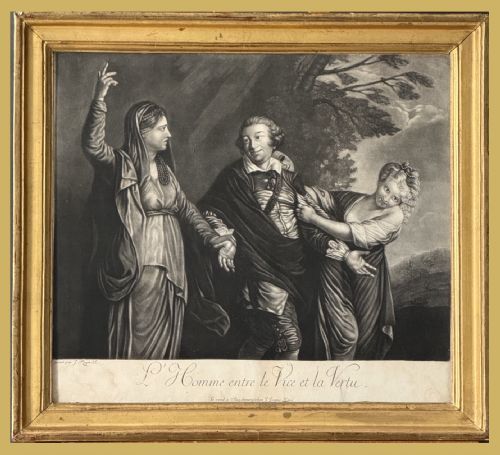
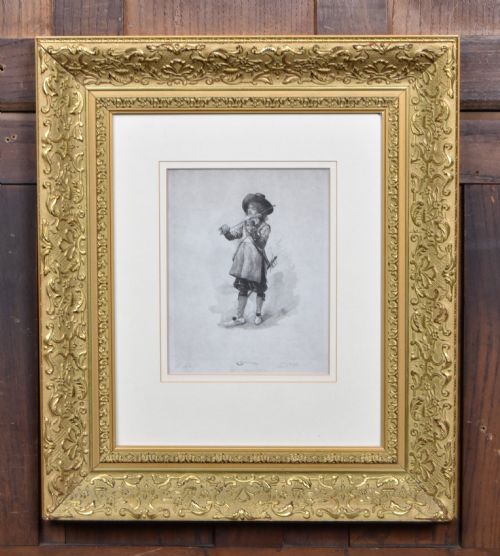
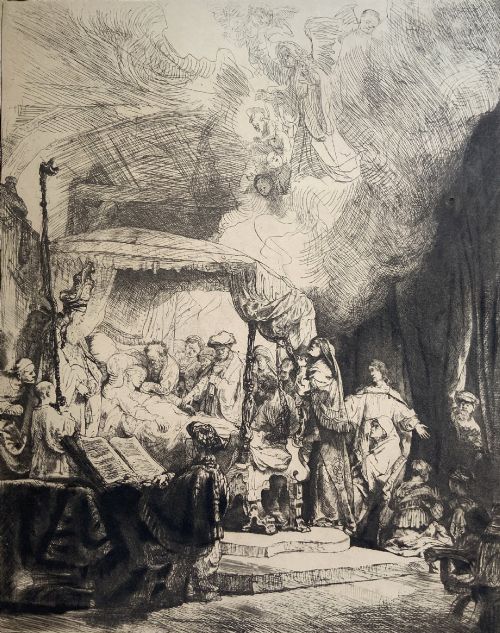
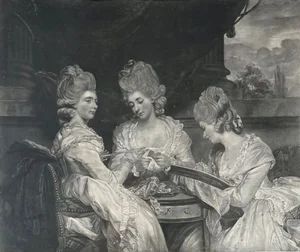
When buyers search for framed black white art, they encounter a diverse selection of monochrome works spanning from the seventeenth century through to contemporary periods. The pieces on this page heavily feature eighteenth-century mezzotint portraits and early twentieth-century etchings, alongside nineteenth-century engravings and oil paintings.
Forms range from classical portraiture and landscape prints to anatomical illustrations and botanical drawings. Most items come protected behind glass within wooden frames, incorporating period gold leaf or gilt wood finishes.
Origins stretch across British, Dutch, and French traditions, reflecting historical printmaking techniques designed for domestic display.
Materials and Technique
The works rely primarily on paper, vellum, and canvas as the foundational surfaces for ink, oil, and photographic emulsions. Printmakers utilised copper plates and steel blocks to produce detailed engravings, etchings, and mezzotints through manual press pressure.
Frames incorporate solid wood, often enhanced with gold leaf, gilt, and glass to protect the delicate monochrome works from atmospheric damage over the centuries.
Listings span multiple centuries, incorporating seventeenth-century mezzotints, eighteenth-century engravings, and twentieth-century etchings on paper and vellum.
Assessing Quality
Quality rests heavily on the crispness of the ink impression and the preservation of fine tonal gradations across the monochrome surface. Early strikes from copper plates display superior shadow depth and line clarity compared to later, worn impressions.
The integration of original framing, whether gilt wood or period timber, alongside authentic signatures and artist proofs elevates the historical significance of the piece.
Sir Joshua Reynolds·Herbert Dicksee·Sir Peter Lely·John Smith·Valentine Green
The Framed Black White Art Glossary
- Mezzotint
- A printmaking process where the copper plate is roughened uniformly to produce rich dark tones and subtle gradations of light. This technique allows for remarkable tonal depth in portraiture.
- Etching
- A method where lines are bitten into a metal plate with acid before being inked and pressed onto paper. Artists utilise this process to achieve fine, expressive linework.
- Engraving
- A technique where an artisan cuts lines directly into a metal plate using a sharp tool called a burin. This produces precise, clean lines favoured for historical illustrations.
- Gilt Wood
- Wood that has been coated with a thin layer of gold leaf or metallic paint. It provides a reflective, ornate border for classical artwork.
- Artist Proof
- An impression of a print taken before the final edition is produced, typically retained by the creator. These carry distinct value due to their early pull from the plate.
Framed Black White Art: Frequently Asked Questions
How do I care for framed paper art?
Keep monochrome paper works away from direct sunlight to prevent the ink and paper stock from fading over time.
Maintain stable indoor humidity levels to protect both the delicate paper substrate and the antique wooden framing.
What is the difference between an etching and an engraving?
An etching relies on acid to bite lines into a metal plate, creating softer and more fluid strokes.
An engraving uses a sharp metal tool to physically cut grooves into the plate, resulting in sharper lines.
Are these pieces supplied with their original frames?
Many listings preserve their period timber or gilt wood frames, whilst others feature later housing suited to the era of the work.
Check individual descriptions to confirm whether the glass and frame date alongside the artwork.
How can I identify the age of a monochrome print?
Examine the paper stock quality, watermark evidence, and printing technique typical of specific centuries.
Stylistic cues in the subject's attire and the typography of the caption plate also indicate the production period.