




French Copperplate Engravings
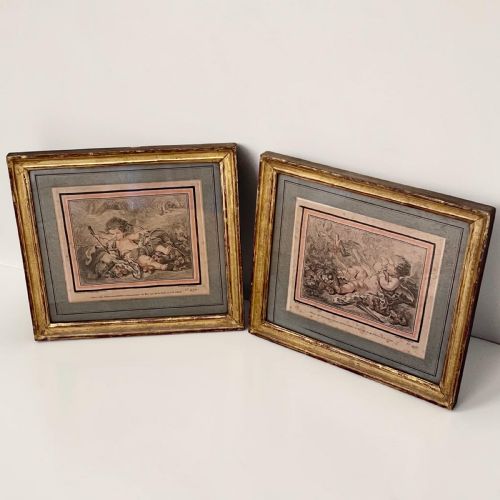
These French copperplate engravings span the seventeenth to the nineteenth centuries, offering detailed works on paper preserved within traditional frames.
French Copperplate Engravings
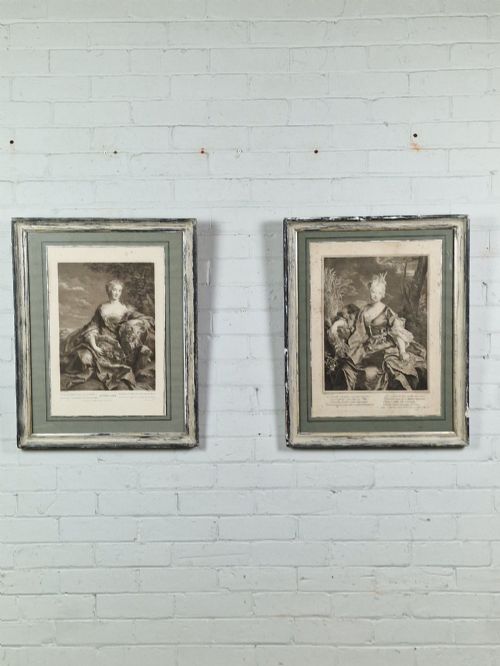
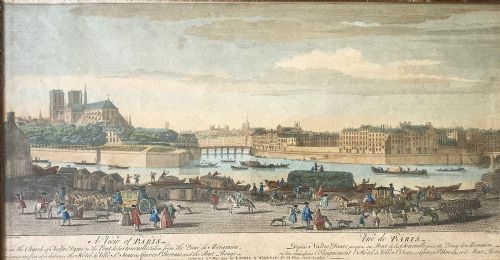
When you examine french copperplate engravings, you encounter works produced across the seventeenth, eighteenth, and nineteenth centuries. These pieces appear primarily as wall art, framed prints, and framed engravings, alongside cartography and architectural plates.
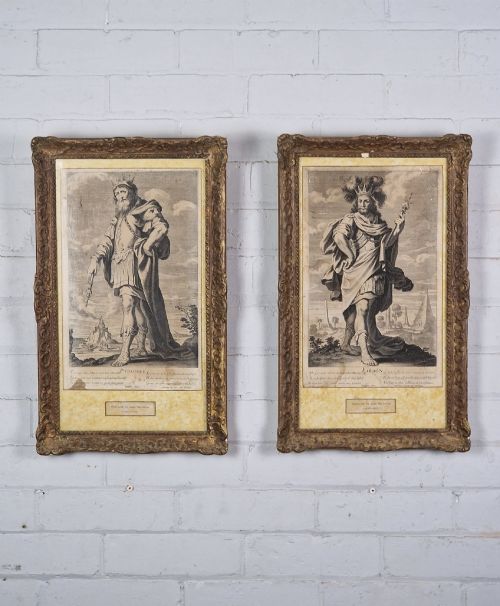
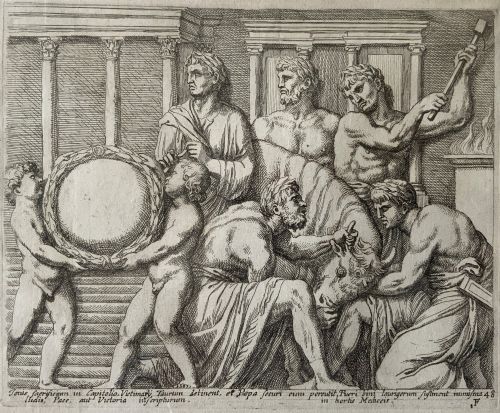
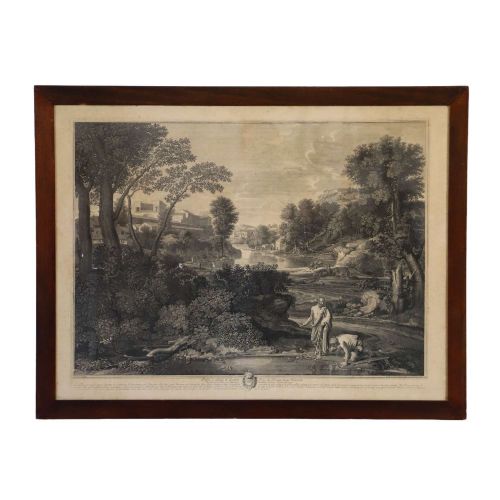
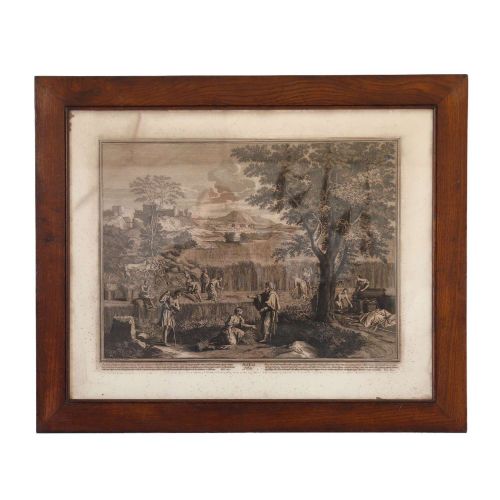
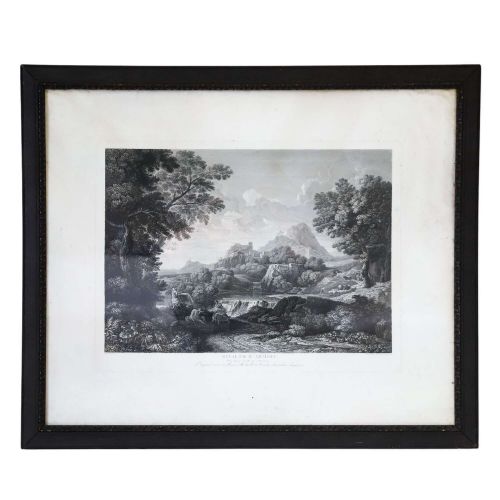
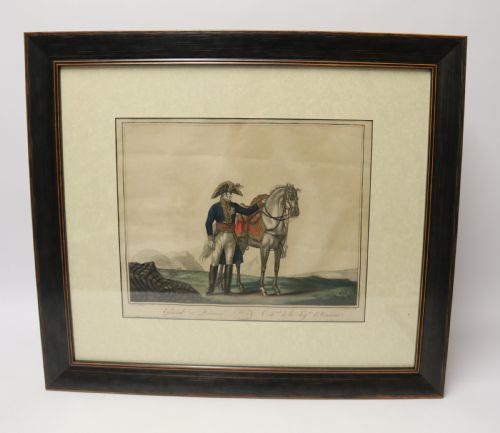
The selections on this page centre heavily upon eighteenth-century examples, though seventeenth-century etchings and early nineteenth-century Napoleonic military prints also appear. Subjects range from classical antiquity and landscape hunting scenes to maps of Ireland and Scotland.
Judging Quality
Quality rests upon the crispness of the plate impression and the preservation of the paper. Stronger works demonstrate clear line work by skilled engravers working after established painters.
The presence of original hand colouring and an intact period frame adds distinct character. Condition varies according to how well the paper and gilding have survived across the centuries.
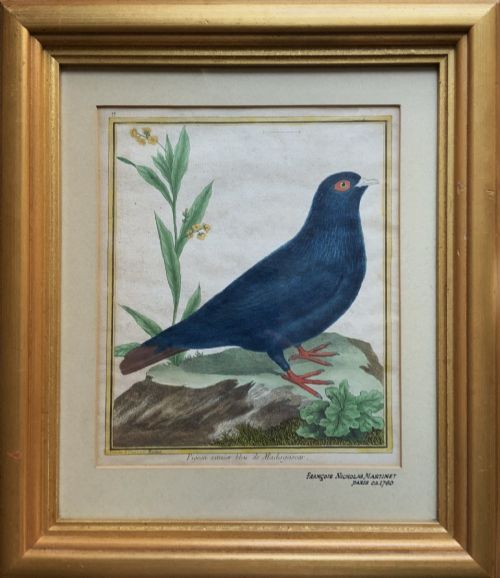
Pigeons captured the eighteenth-century imagination just as firmly as grand landscapes, preserved now in hand-coloured detail.
Jean Mariette·François-Nicolas Martinet·François Perrier·Étienne Baudet·Charles Paillasson
The French Copperplate Engravings Glossary
- Copperplate
- An intaglio printing process where lines are incised into a copper sheet to hold ink. This technique allows for exceptional linear detail in historical prints.
- Hand colouring
- The application of watercolour or pigment by hand after the initial printing. This finish distinguishes specific eighteenth-century natural history and landscape plates.
- Cartography
- The creation and study of maps, represented here by eighteenth-century French engravings of Ireland and Scotland. These framed pieces combine decorative art with historical geography.
- Etching
- A method where acid bites into metal to create recessed lines for printing. It frequently appears alongside direct engraving in seventeenth-century classical works.
- Gilt wood
- Wood coated with a thin layer of gold leaf or gilt preparation. It forms the structure of many period frames housing these prints.
French Copperplate Engravings: Frequently Asked Questions
How should I hang framed engravings?
Keep framed paper works away from direct sunlight to protect the ink and watercolour pigments from fading. Stable indoor humidity prevents the wood frames and paper from warping over time.
Ensure secure wall fixings support the weight of wood and glass frames. Professional picture wire helps distribute the load evenly across the hanging points.
What subjects appear in these prints?
The inventory includes classical antiquity, landscape hunting scenes, architectural plates, and writing manuals. Natural history subjects, such as pigeon studies, also form part of the selection.
Cartography forms another category, featuring eighteenth-century French maps of Ireland and Scotland. Military history is represented by early nineteenth-century Napoleonic prints.
Are the frames original to the pieces?
Several listings specify original frames, constructed from wood, gilt wood, or gold leaf. These housings reflect the framing styles contemporary to the creation or initial sale of the prints.
Checking individual descriptions clarifies whether a piece retains its period setting. Original frames contribute significantly to the historical integrity of the artwork.
How do I identify seventeenth-century prints?
Seventeenth-century works in this group often feature etchers like François Perrier and subjects related to classical antiquity or Poussin. The typography, paper texture, and plate marks align with production methods of that era.
Comparing signatures and known dates of the engravers helps confirm the period. Expert cataloguing in the listings provides the primary guide to dating.