




French 19th Century Prints
French 19th century prints bring academic precision, botanical study and historic architectural detail directly into domestic interiors through ink, paper and hand-colouring.
French 19th Century Prints
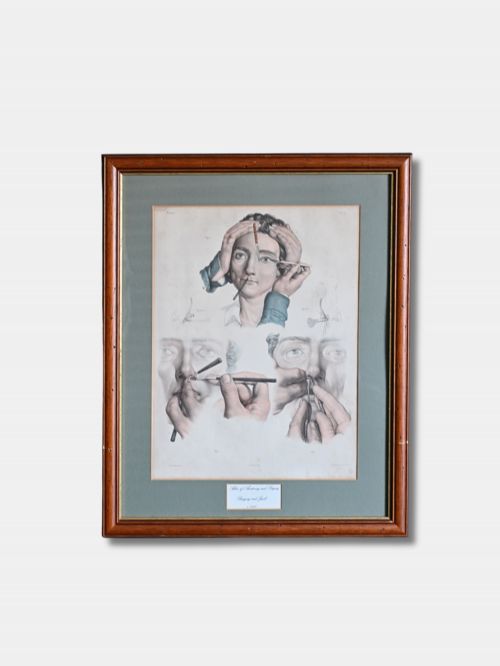
French 19th century prints encompass framed lithographs, engravings and architectural drawings originating from the eighteen-hundreds and Victorian eras. These works capture subjects ranging from natural history and medical procedures to military history, classical antiquities and theatrical scenes.
Buyers frequently encounter hand-coloured lithographs and engravings set within wooden frames, often accompanied by glass. The selection ranges from single portrait plates to sets depicting Napoleonic subjects, botanical studies and architectural plans.
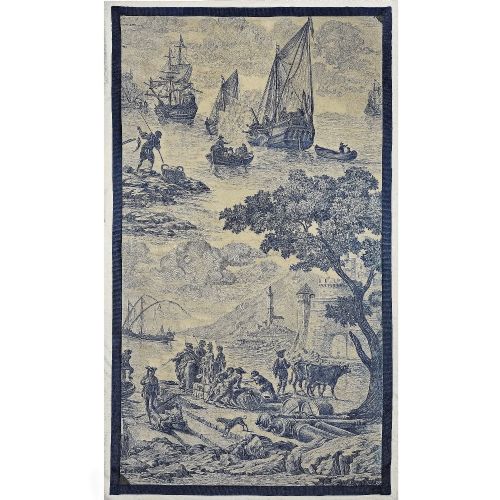
The form extends across varied aesthetic movements including Neoclassical, Academic Realism and Second Empire styles. Beyond traditional wall art, the category includes textile panels and illustrated paper boxes housing printed ephemera.
How They Were Made
Production relies primarily on paper, ink and cardboard, frequently enhanced through manual watercolour application. Lithography and traditional engraving served as the main mechanical methods for transferring detailed imagery onto the sheet.
Framing typically involves wood and giltwood, protecting fragile paper and watercolour mediums from atmospheric damage. Many surviving examples retain contemporary or period frames that complement the scale of the plate.
Current listings feature paper, glass, wood, ink, watercolour, giltwood, charcoal and cardboard across the nineteenth century.
What Varies in Quality
Quality rests upon the crispness of the original impression and the precision of any hand-applied pigment. Plates derived from known artists and established workshops display finer linework and superior compositional balance.
The survival of the paper substrate, the vibrancy of the ink and the integrity of the framing contribute significantly to the standing of an individual piece.
Henry Arthur Roberts·Gustave Doré·Adolphe Pannemaker·Pancrace Bessa·Pierre Buillon·Henri Chatillon·Victor Adam·Jules Le Roy·Henri Joseph Harpignies
The French 19th Century Prints Glossary
- Lithograph
- A print produced by drawing on limestone or a metal plate with a greasy substance so that ink adheres only to the design. This technique allowed for faithful reproduction of fine artistic drawings.
- Engraving
- A printmaking method where an artist cuts an image directly into a metal plate using a sharp tool. The resulting lines hold ink under pressure to create a sharp, permanent impression on paper.
- Chrystoleum
- A method of applying a hand-coloured print to glass, clearing the paper with oil, and painting the reverse to create depth. These pieces combine photographic or printed bases with detailed miniature painting.
- Grand Tour
- A cultural journey undertaken by wealthy young Europeans to study classical antiquities, inspiring prints documenting classical sculpture and architecture. These souvenirs formed core collections in nineteenth-century households.
- Hand-coloured
- A print finished with watercolour or gouache applied by hand after the mechanical printing process. This added specific colouration to botanical, military and portrait subjects.
French 19th Century Prints: Frequently Asked Questions
How should I hang these prints safely?
Keep framed pieces away from direct sunlight to prevent the fading of ink, watercolour and paper.
Ensure hanging hardware matches the weight of the wood and giltwood frames.
Were these prints originally bound in books?
Many botanical, architectural and fashion plates originated as unbound series or plates within portfolios and natural history volumes.
Separated from their source texts, they were framed individually for domestic display.
What subjects are most common?
The selection includes architectural plans, military studies, botanical engravings and theatrical scenes from the nineteenth century.
Portraits and classical antiquities also appear frequently across the available inventory.
How do I identify a lithograph from an engraving?
Engravings display crisp, indented lines where the metal plate pressed into the paper under high pressure.
Lithographs present a smoother surface texture resembling a fine drawing without deep plate marks.