
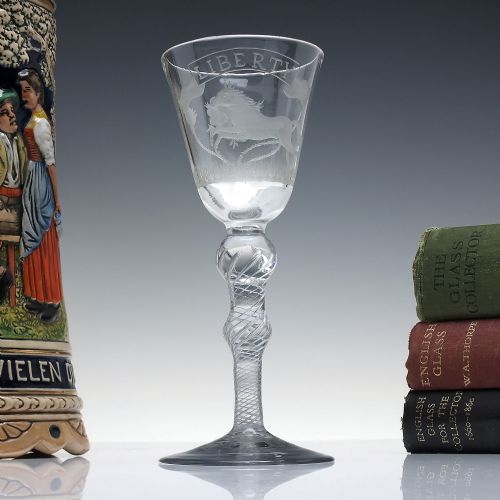


Antique Horse Engraving
An antique horse engraving captures the power and elegance of the equine form, offering collectors a striking piece of equestrian history for the wall.
Antique Horse Engraving
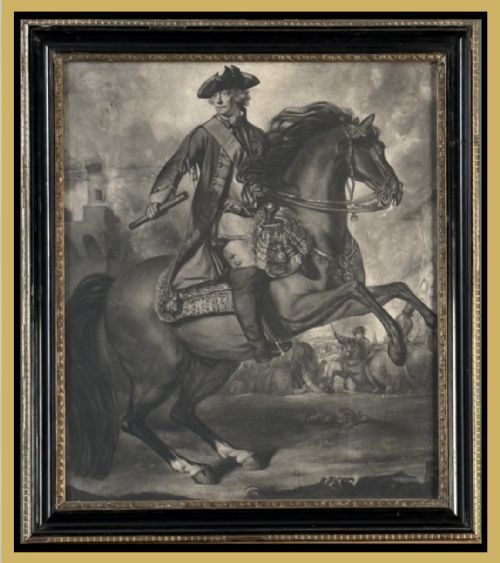
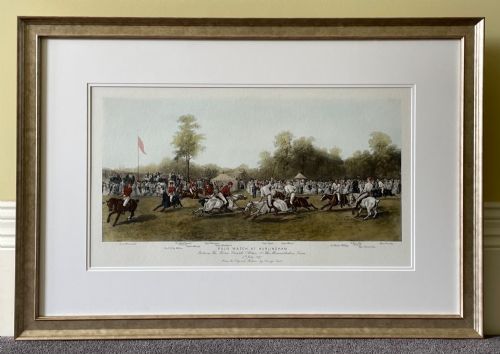
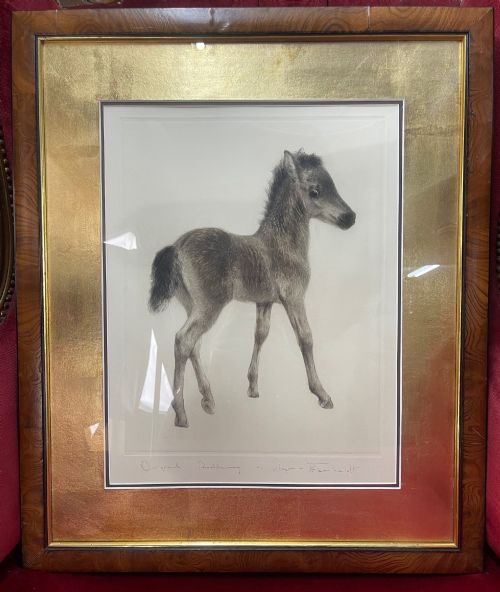
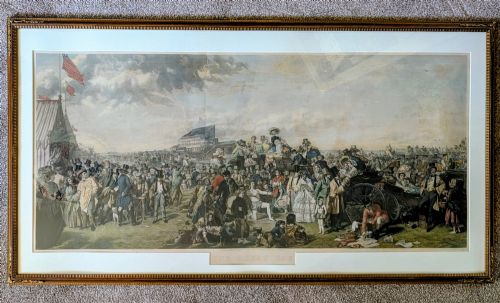
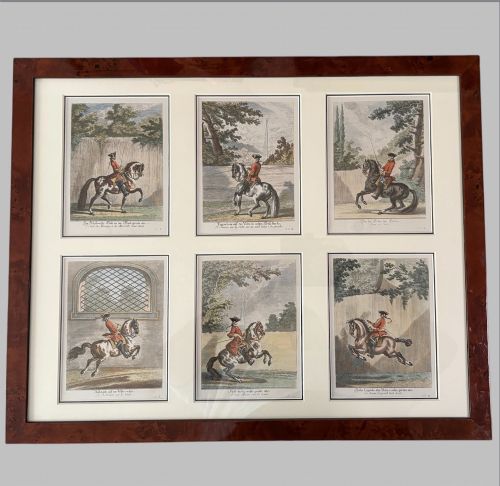
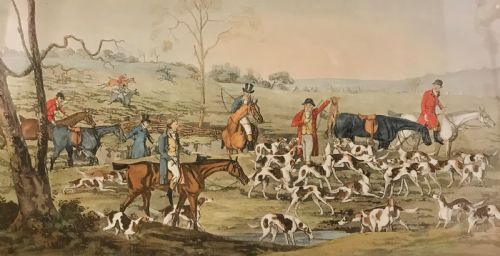
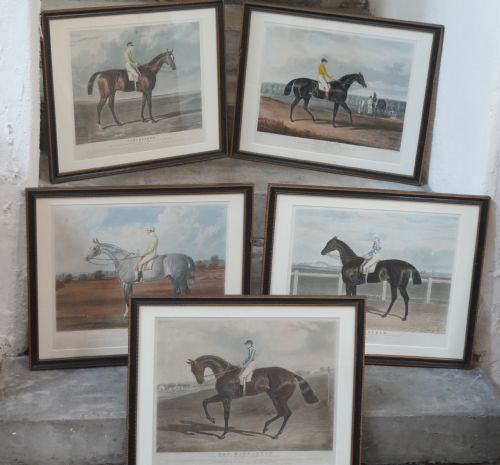
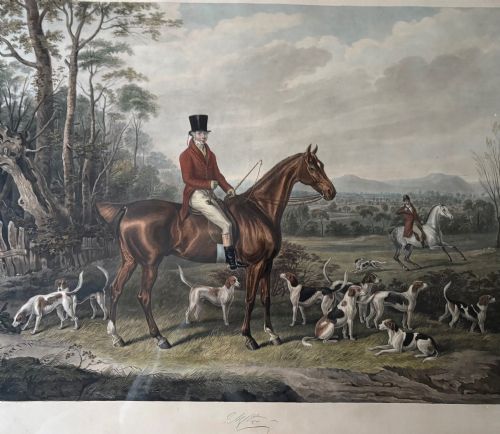
When you examine an antique horse engraving, you are looking at works that span from the Georgian period through to the twentieth century, capturing racing, hunting, and portraiture. The pieces on this page range from single framed prints to sets of hand-coloured copper plates and lithographs.
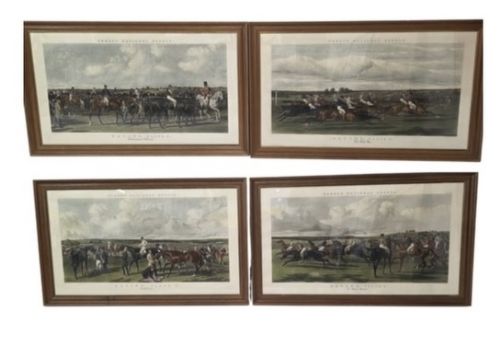
You are most likely to encounter nineteenth-century British equestrian scenes, often depicting racing subjects, alongside eighteenth-century works. These items appear as wall art, framed prints, and book illustrations produced by notable artists and publishers of their day.
Materials and methods
The works utilise paper as a primary support, receiving ink through intaglio printing techniques such as copper engraving, drypoint, and aquatint. Many examples receive subsequent hand-colouring in watercolour to enrich the finished impression.
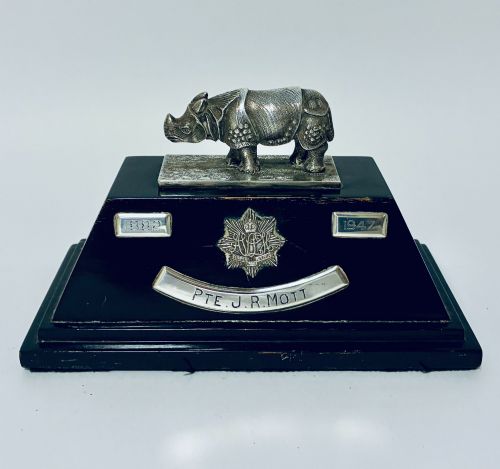
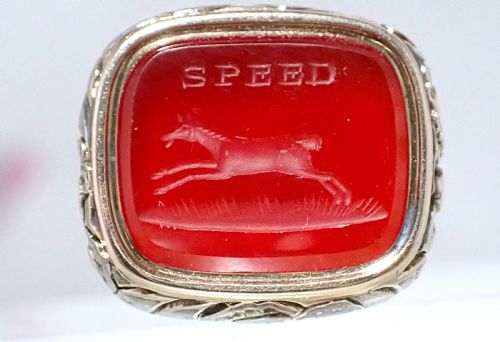
Frames incorporate wood and glass to protect the paper sheets, while related pieces use brass, gold leaf, and silver in associated items like trophies and seals.
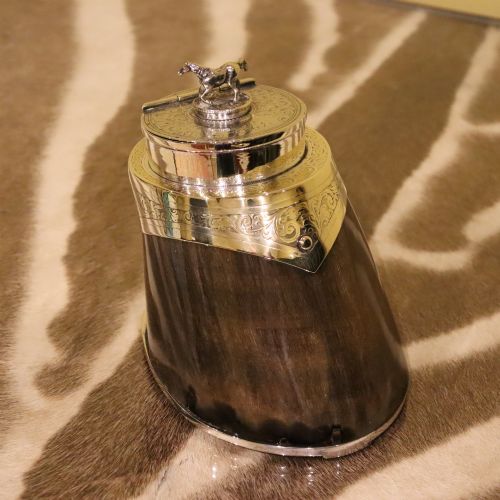
Several items utilise actual horse hooves transformed into elaborate desk tidies, ink wells, and presentation pieces.
Assessing quality
Quality depends upon the crispness of the plate impression and the skill of the original draughtsman, where a sharp, detailed line distinguishes superior prints from worn impressions. The precision of contemporary hand-colouring also elevates the visual merit of the sheet.
The condition of the paper surface and the integrity of the original framing materials contribute significantly to the standing of the piece within its period.
Edward Fisher·Sir Joshua Reynolds·Kurt Meyer-Eberhardt·William Powell Frith·Ridinger·H Alken·Victor Adam·J F Herring·Samuel Howitt·George Rees·Leon Gaucherel
The Antique Horse Engraving Glossary
- Engraving
- A printmaking process where an artist cuts lines directly into a metal plate with a burin. The resulting incisions hold the ink for transferal to paper under pressure.
- Aquatint
- A variant of etching that achieves tonal effects resembling watercolour washes. It uses acid to bite into a metal plate through a porous resin ground.
- Mezzotint
- A tonal printmaking method where the copper plate is roughened uniformly to produce rich dark areas, then scraped to create highlights. It yields subtle gradations of light and shade.
- Lithograph
- A planographic printing technique based on the repulsion of oil and water. The image is drawn onto a limestone block or metal plate with a greasy medium before printing.
- Drypoint
- An intaglio printmaking technique where an artist scratches directly into a metal plate with a sharp needle. This creates a raised ridge of metal called burr, which imparts a velvety line when inked.
Antique Horse Engraving: Frequently Asked Questions
How do I date an antique horse engraving?
Dating relies on paper characteristics, printing technology used, and stylistic cues from the clothing or horses depicted. Publishers' imprints and dates inscribed on the plate provide definitive chronological markers.
Examining the framing style and any accompanying documentation helps confirm the era of production.
Are these engravings hand coloured?
Many period examples feature delicate watercolour applied by hand after the initial printing process. This adds vibrant tones to the Jockey silks and landscape backgrounds.
Closer inspection under magnification reveals the brushstrokes characteristic of manual pigment application.
How should I display my print?
Protect the paper from direct sunlight to prevent fading of the ink and any applied watercolour pigments. Utilise conservation-grade framing materials with UV-filtering glass.
Keep the piece in a stable environment away from excess moisture to preserve the antique paper.
What subjects are most common?
Horse racing, hunting scenes, and individual portraits of famous racehorses dominate the available works. These subjects reflected the strong sporting culture of the Georgian and Victorian eras.
Artists frequently recorded specific derby winners and notable equestrian events of the nineteenth century.