


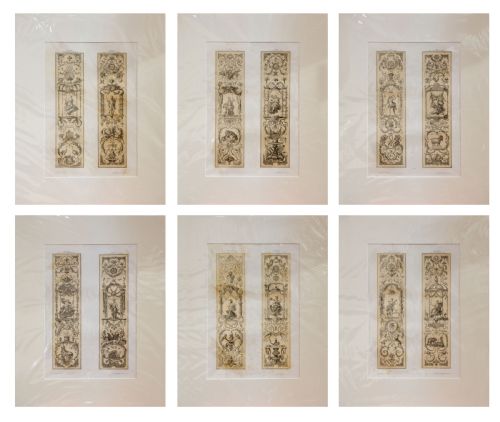


Nineteenth Century Lithograph
A nineteenth century lithograph brings vivid colour and sharp draughtsmanship to a wall, capturing the subjects that fascinated Victorian and Regency collectors.
Nineteenth Century Lithograph
A nineteenth century lithograph encompasses printed works produced across the Victorian and Regency periods, alongside pieces dated to eighteen hundred, eighteen eighty, and nineteen hundred. These works appear in forms such as framed prints, fine art prints, and framed wall art, often depicting sporting scenes, orientalist subjects, and natural history.
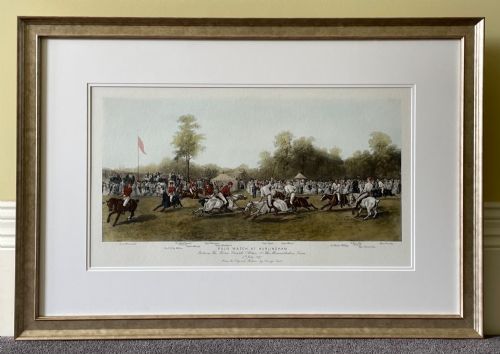
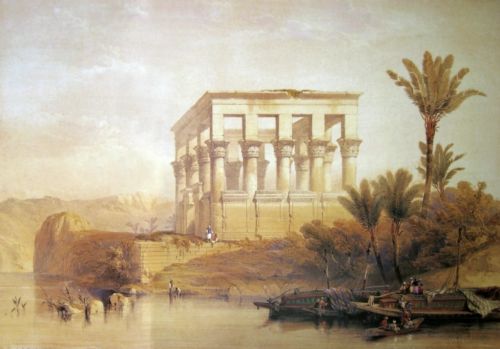
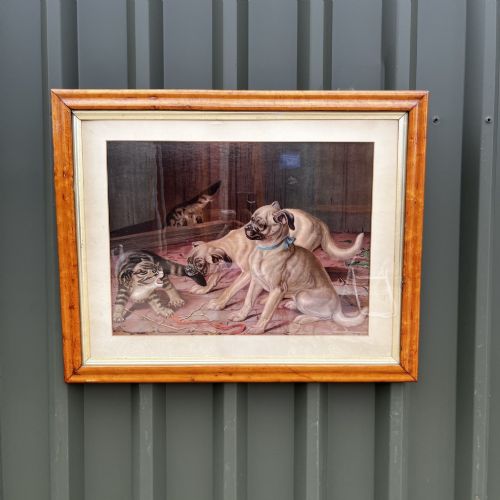
Buyers encountering this group will find items ranging from single framed plates to sets of prints, including works by named artists like Horatio Henry Couldrey and Otto Pilny. The subjects stretch from polo matches and pugs to Egyptian temples and English landscapes.
The objects combine historical printmaking techniques with paper, ink, and occasionally watercolour or gold leaf, mounted within wood and glass frames. They offer a direct window into the visual culture of the nineteenth century.
How they were made
The creation of these works relies fundamentally on paper, ink, and lithographic stones or plates, sometimes enhanced with applied watercolour and gold leaf by hand. Printers achieved rich polychrome effects in chromolithographs by registering multiple stones for separate ink colours.
Finished prints were frequently laid onto board or cloth supports before being placed within wood frames beneath glass for protection. This framing safeguarded the delicate paper and watercolours from environmental moisture and handling.
Nineteenth Century Lithograph Retail Price Guide 2026
Typical asking prices for nineteenth century lithograph among the pieces listed under this phrase on Sellingantiques today, from the lower quarter to the upper quarter. They describe what is for sale here now, not the wider market.
Listings feature works spanning the nineteenth century, Victorian era, and Regency period, executed in paper, ink, watercolour, and gold leaf.
What varies in quality
The distinction between standard prints and superior examples rests on the crispness of the ink impression and the precision of any hand-applied watercolour. Multi-plate chromolithographs with vibrant, register-accurate hues command greater visual presence than simpler monochrome pulls.
Condition and presentation further separate the pieces, particularly the preservation of the original paper tone and the quality of the associated wood and gold leaf framing. Complete sets, such as matched groupings of four or six prints, offer a more cohesive display than isolated single sheets.
The Nineteenth Century Lithograph Glossary
- Lithograph
- A planographic print pulled from a flat stone or metal plate treated to repel and accept ink where desired. This method allowed artists to draw directly onto the matrix with fluid freedom.
- Chromolithograph
- A colour lithograph produced using multiple stones, each applying a distinct ink hue to build up a rich polychrome image. It represents the height of nineteenth-century commercial colour printing.
- Regency
- The stylistic period spanning the early nineteenth century, characterised by neoclassical elegance and refined decorative arts. Prints from this era often reflect the aesthetic tastes of the regency court.
- Victorian
- The cultural epoch spanning the reign of Queen Victoria, marked by diverse revivals, industrial progress, and a passion for narrative art. Victorian lithographs frequently document contemporary sports, domestic scenes, and foreign travels.
- Orientalism
- An artistic movement focused on the depiction of Middle Eastern and North African subjects and architecture. Artists working in this style captured exotic landscapes and bazaars for European viewers.
Nineteenth Century Lithograph: Frequently Asked Questions
How do I care for a nineteenth century lithograph?
Keep the piece away from direct sunlight to prevent the ink and any applied watercolour from fading over time. Maintain stable room humidity to protect both the paper and the wooden frame.
Avoid hanging prints in damp areas such as kitchens or unheated spaces. Professional framing with acid-free materials ensures the paper does not degrade against the backing.
Can I hang prints in a bright room?
Bright rooms can cause fading on older paper and coloured inks if sunlight falls directly onto the glass. Position prints on walls that receive indirect ambient light rather than strong southern exposure.
Specialist conservation glass with UV-filtering properties offers additional protection against light damage. This allows you to enjoy the artwork safely in a brightly lit living space.
How are sets distinguished from single plates?
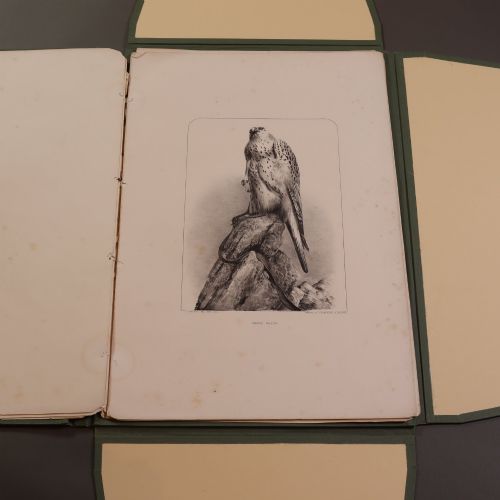
Sets comprise matching series of prints conceived and published together, such as sequential months or themed bird studies. Keeping a set intact preserves its historical context and visual harmony.
Single plates stand alone as individual compositions framed for independent display. Both formats appear frequently, with sets offering a more dominant decorative statement on a wall.
What subjects are most common?
Sporting scenes, topographical views, and natural history studies form the core subjects found in this category. Artists frequently recorded contemporary pastimes like polo matches and tandem carriage driving.
Travel subjects, including Egyptian temples and orientalist compositions, also appear regularly alongside domestic animal studies. These themes reflect the wide-ranging curiosities of nineteenth-century collectors.