


Victorian Equestrian Artwork
Victorian equestrian artwork brings the energy of the nineteenth-century field, stable and turf straight onto the wall.

What Victorian equestrian artwork is
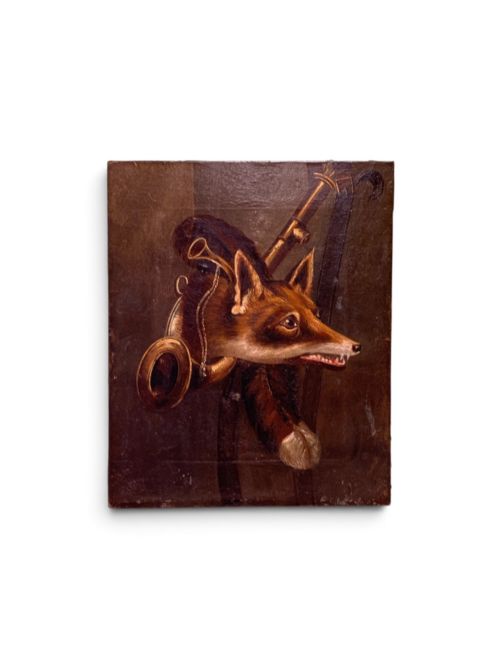
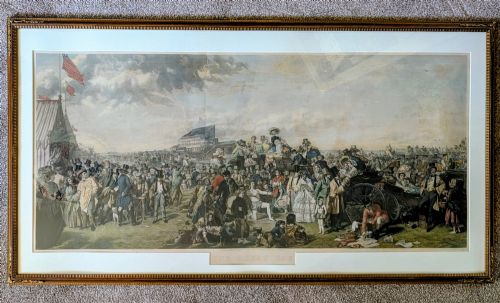
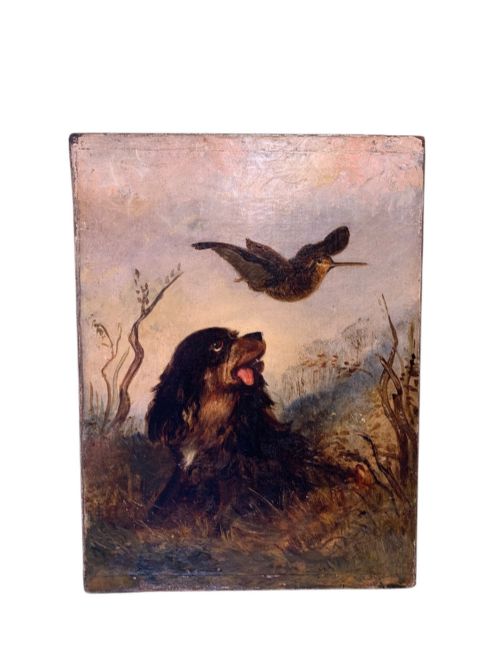
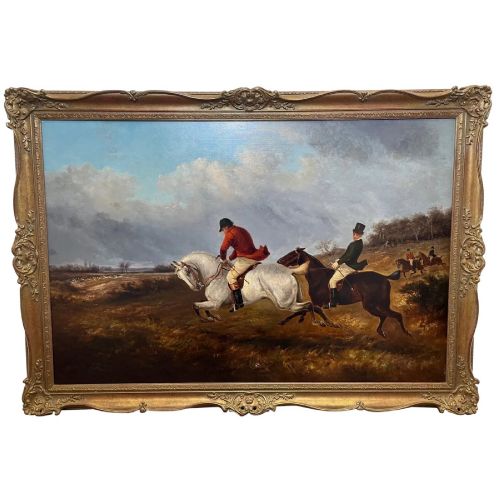
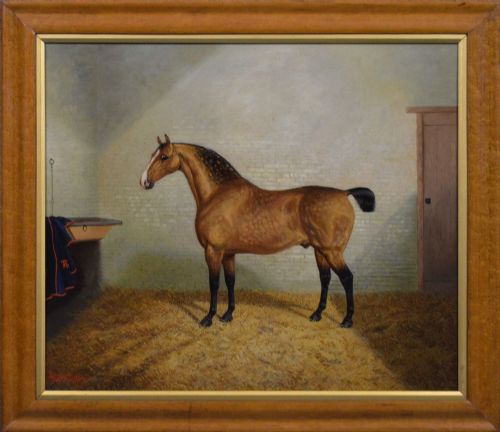
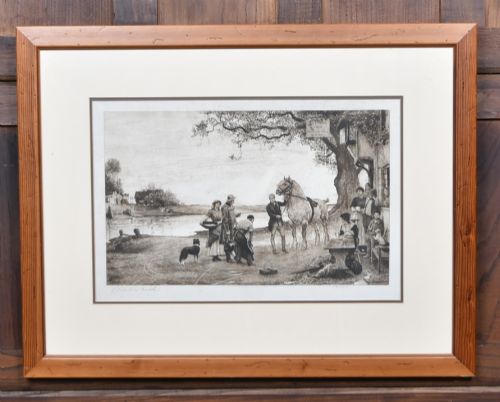
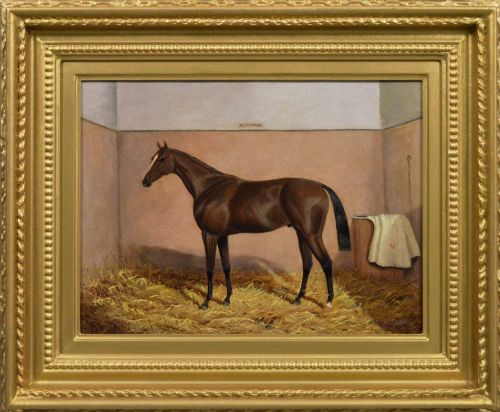
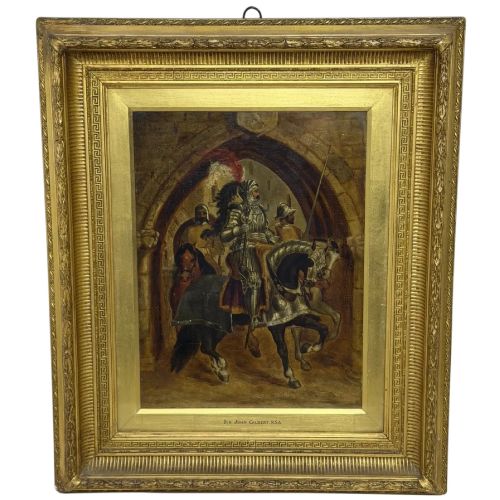
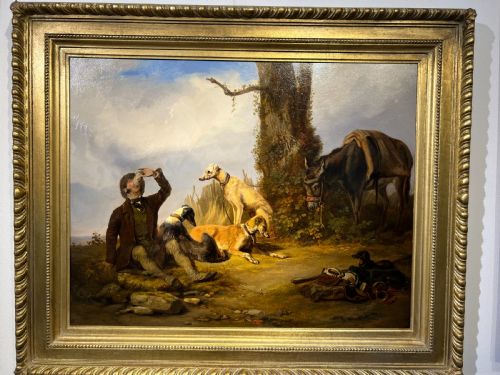
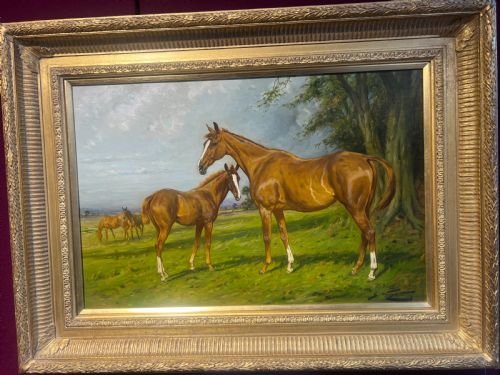
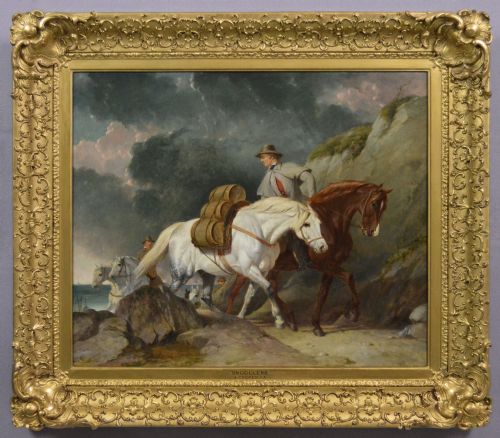
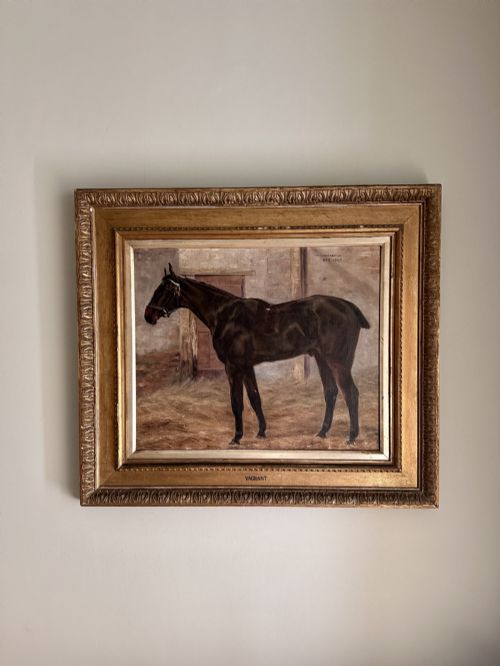
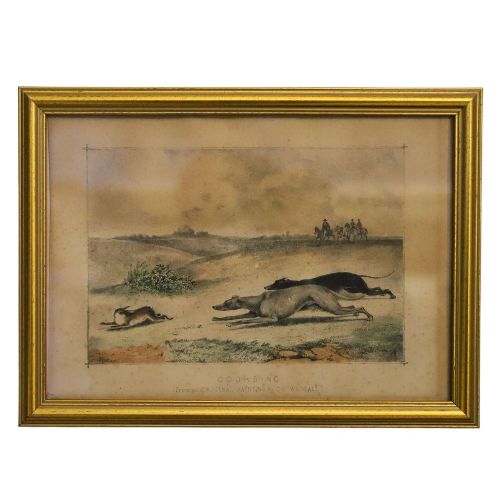
Victorian equestrian artwork captures the horses, hounds, riders and matches of the nineteenth century through oil paintings, lithographs and photographs. The selection centres on nineteenth century pieces, taking in traditional oil paintings on canvas alongside framed prints and original photographs.
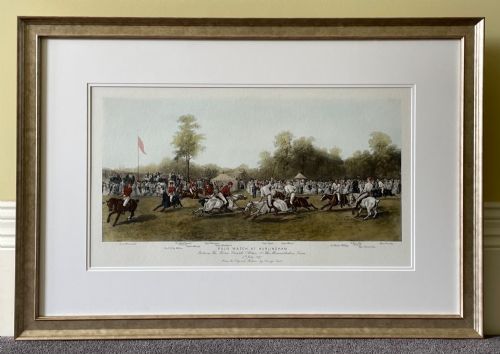
Buyers encounter works dated across the Victorian period, including specific years such as eighteen-eighty and eighteen-fifty. The subjects range from polo matches at Hurlingham and huntsmen on horseback to individual portraits of horses and grooms in stables.
How these pieces were made
Makers utilised oil paint on canvas for the primary paintings, building rich surfaces that capture the sheen of coats and the textures of tack. Lithographs and photographs on paper recorded scenes with graphic clarity and early photographic precision.
The framing employs wood, plaster, gilt wood and gilt slip, framing the artwork securely behind glass where works on paper demand protection.
Retail Price Guide 2026
Typical UK retail prices for victorian equestrian artwork, calculated from the Sellingantiques database of over a million retail prices indexed since 2003. This retail price guide relies exclusively on Sellingantiques data; no external sources or auction records are used, so the figures do not describe the wider market.
The listings feature oil on canvas, paper, wood, glass, gilt wood, plaster and gilt slip.
What separates the finest works
Quality rests on the precision of the animal anatomy and the vitality of the composition, distinguishing accomplished sporting realists from standard decorative output. The handling of light across horseflesh and the psychological presence of the subject drive the distinction.
The integrity of the original frame also plays a role, with period gilt wood and plaster surrounds maintaining the historical context of the piece.
John Ferneley Jnr·Frederick J Haycock
The Victorian Equestrian Artwork Glossary
- Lithograph
- A print made by drawing on limestone or metal with a greasy medium and applying ink. This technique allowed nineteenth-century publishers to distribute popular sporting scenes widely.
- Gilt slip
- A narrow inner frame border covered in gold leaf or gilt paint. It separates the painted canvas or print from the main outer wooden moulding.
- Gilt wood
- Wood carved and coated with gold leaf. It provides the traditional reflective border characteristic of nineteenth-century picture frames.
- Sporting art
- Artwork depicting field sports, racing, hunting and animals. This genre developed a distinct following during the Victorian era.
Frequently Asked Questions
What subjects appear in Victorian equestrian art?
These works depict polo matches, hunt scenes including the Berkeley Hunt, and stable portraits of horses with grooms. The imagery reflects the central role of horses in nineteenth-century leisure and sport.
Artists recorded specific events like matches at Hurlingham alongside general hunting subjects and detailed animal studies.
How should I frame and display these pieces?
Many pieces retain their period wood, plaster and gilt frames, which should be preserved where possible. Works on paper require glass protection against dust and moisture.
Hang the artwork away from direct sunlight to protect oil paint and paper from fading over time.
Are these works original or reproduction?
The inventory includes original oil paintings, period lithographs and nineteenth-century photographs rather than modern reproductions. Each medium carries the authentic materials of the era.
Checking the canvas, paper support and framing materials helps confirm the period origin of the piece.
How do I identify a nineteenth-century piece?
Look for period framing materials such as gilt wood and plaster, alongside traditional supports like oil on canvas and early paper. The subjects also reflect nineteenth-century dress and sporting activities.
Dates and specific artist attributions noted in the titles provide further historical context.