

Victorian Horse Oil Painting
When you search for a victorian horse oil painting, you are looking at 19th-century canvases that capture equine character and sporting history.
Victorian Horse Oil Painting
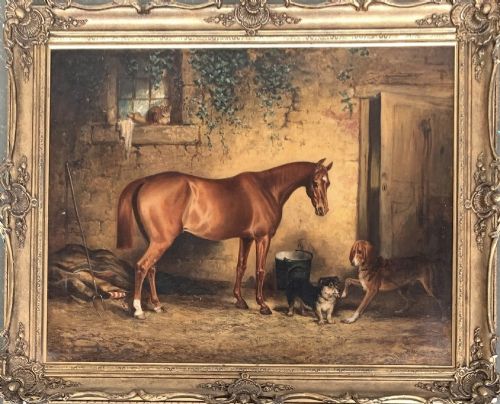
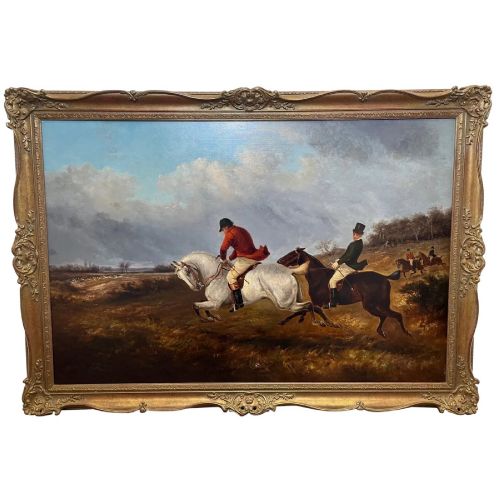
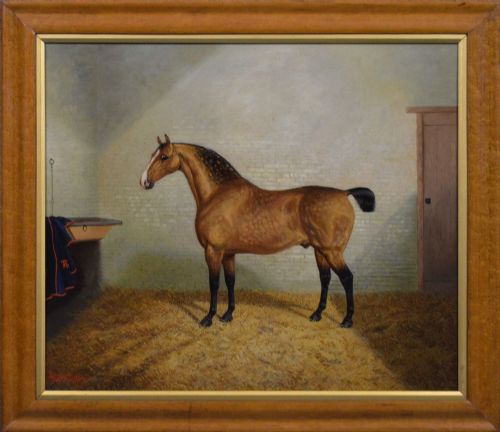
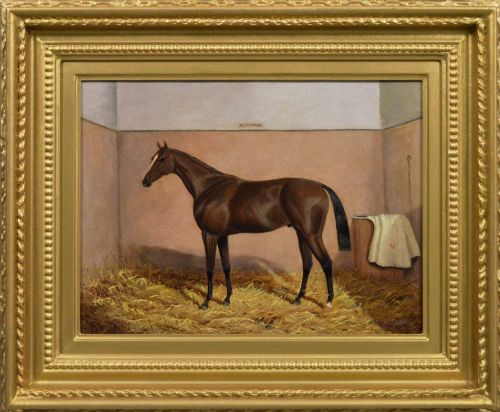
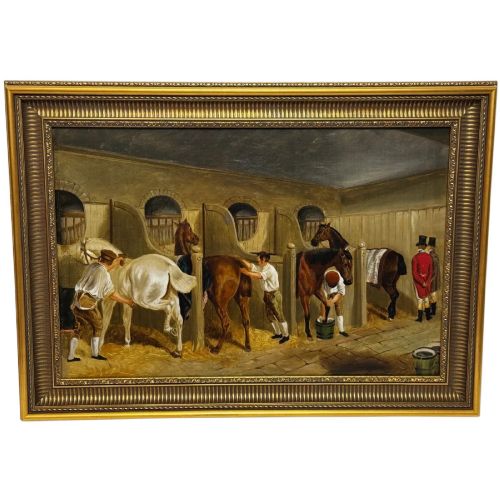
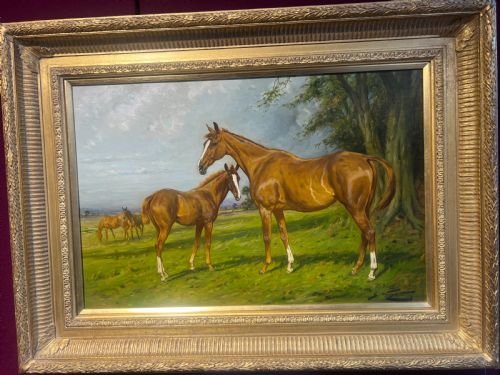
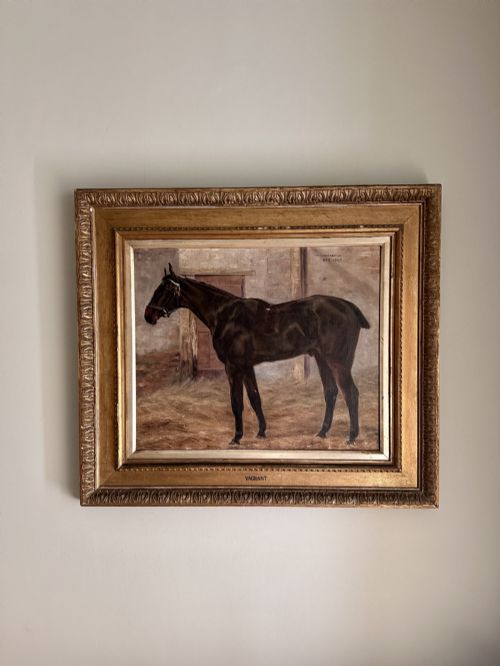
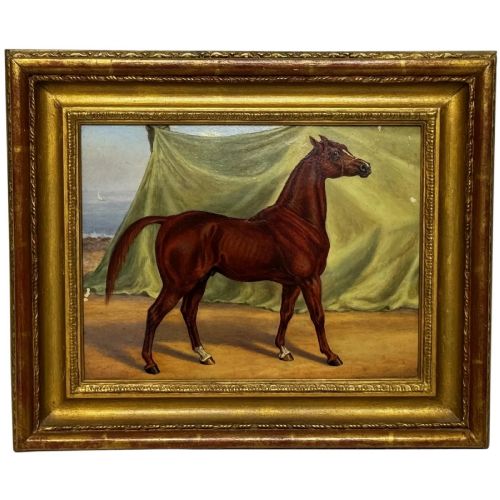
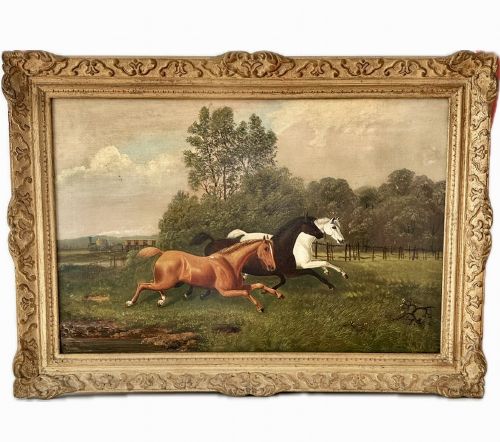
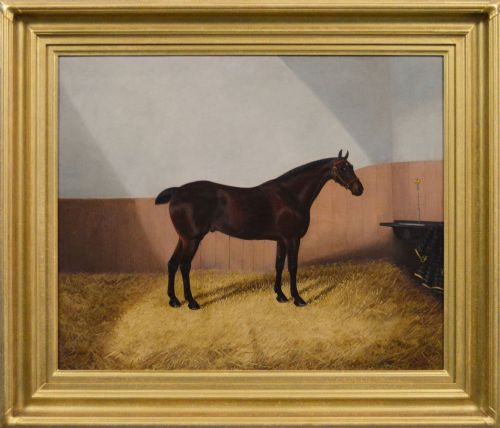
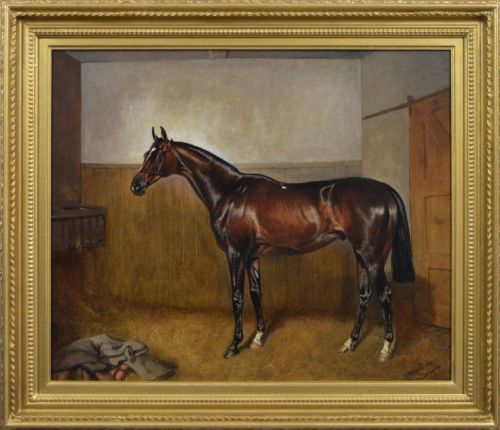
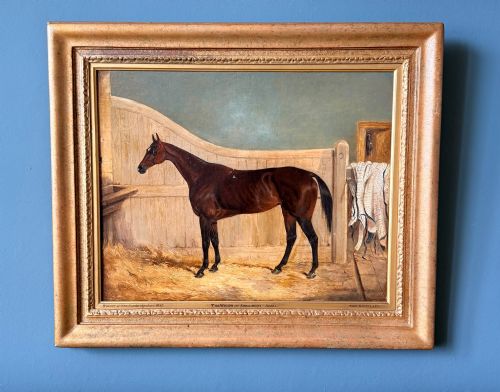
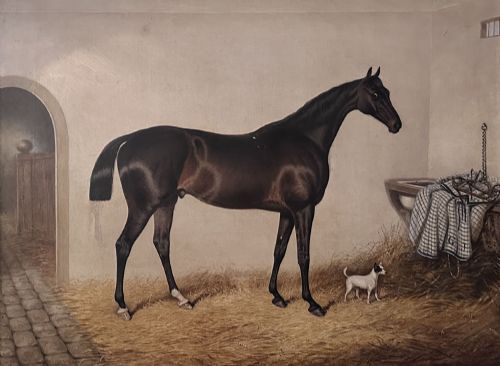
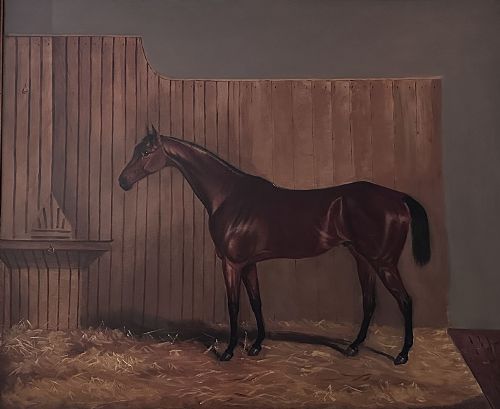
A victorian horse oil painting typically depicts individual portraits of prized hunters, racehorses, and stable scenes, alongside broader hunting meets and farmyard views. The selections on this page span the 19th century into the early 20th century, capturing specific animals like Flying Fox and General Peace as well as anonymous bays and greys.
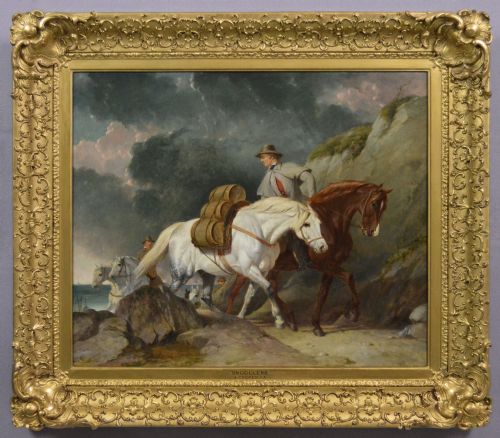
The subjects range from intimate stable portraits to sweeping landscapes featuring hounds, coaches, and riders. Buyers frequently encounter works categorized under Victorian Sporting Art and Equestrian styles, produced by named artists and regional painters alike.
Materials and construction
These works are executed in oil paint on canvas, utilising traditional layering techniques to render the sheen of a horse's coat and the textures of landscape and stable interiors. Pigments were applied to stretched canvas surfaces, capturing the musculature and precise markings of the animals.
Many of these paintings survive in their original giltwood or wood frames, which complement the visual depth of the oil medium. The combination of durable canvas supports and applied oil paint has allowed these 19th-century works to endure through generations.
Victorian Horse Oil Painting Retail Price Guide 2026
Typical asking prices for victorian horse oil painting among the pieces listed under this phrase on Sellingantiques today, from the lower quarter to the upper quarter. They describe what is for sale here now, not the wider market.
Subjects include individual racehorses, stable scenes, and hunting meets across various British and colonial locations.
Distinctions in quality
Quality in these works depends heavily on the anatomical precision of the horse and the handling of light across the coat and landscape. Superior examples demonstrate a deep understanding of equine posture and proportion, whereas lesser works can appear stiff or formulaic in their composition.
The provenance and attribution to a recognised hand, such as John Frederick Herring or Albert Clark, elevate the standing of a canvas. Furthermore, the preservation of the original giltwood frame and the clarity of the underlying oil paint contribute significantly to the overall presence of the piece.
Henry Barraud·Thomas Smythe·Albert Clark·Abraham Cooper·Fred Fitzpatrick·John Alfred Wheeler·Thomas Walker Bretland·John Ferneley Senior·John Frederick Herring Jnr·Samuel Spode
The Victorian Horse Oil Painting Glossary
- Bay
- A horse coat colour characterised by a reddish-brown body with a black mane, tail, and lower legs. This is one of the most frequently recorded coat colours in 19th-century equine portraiture.
- Giltwood
- Wood that has been covered with a thin layer of gold leaf or gilt paint. Frames made from this material are commonly found housing Victorian oil paintings.
- Equestrian
- Pertaining to horse riding or the representation of horses in art. This style defines much of the sporting and portrait work from the period.
- Provenance
- The chronological history of the ownership of a painting. Documented provenance links a canvas to specific estates, galleries, or historical collections.
Victorian Horse Oil Painting: Frequently Asked Questions
How do I identify a Victorian horse painting?
Look for period dress, specific framing styles, and traditional painting techniques typical of the 19th century. Artists often signed their work directly on the canvas or recorded the horse's name on the frame.
Examine the subject matter for clues, such as historical racing records or hunting scenes tied to specific estates. The palette and canvas preparation also offer reliable indicators of 19th-century origin.
Where were these paintings displayed originally?
These canvases hung in country houses, estate offices, and gentleman's clubs across Britain and the empire. They celebrated prized livestock, successful racehorses, and favourite hunting mounts.
Owners commissioned portraits to document their sporting achievements and agricultural investments. Today, they translate well to studies, living rooms, and hallways with traditional decor.
What is a sporting art painting?
Sporting art encompasses depictions of hunting, racing, shooting, and equine portraits popular among the 19th-century gentry. These works document the animals and activities central to rural Victorian life.
Artists specialised in capturing the precise conformation of horses and hounds in action or repose. This genre bridges portraiture and landscape traditions.
How should I care for an oil painting?
Keep the canvas away from direct sunlight and dramatic fluctuations in temperature and humidity. Dust the surface and frame gently with a soft, dry brush.
Avoid using water or cleaning solutions on the oil paint or the giltwood frame. Professional conservation should be sought if the canvas requires cleaning or structural repair.