



Framed Paper Lithograph
These framed paper lithograph pieces span centuries of imagery, offering decorative wall art shaped by changing printing techniques.
Framed Paper Lithograph
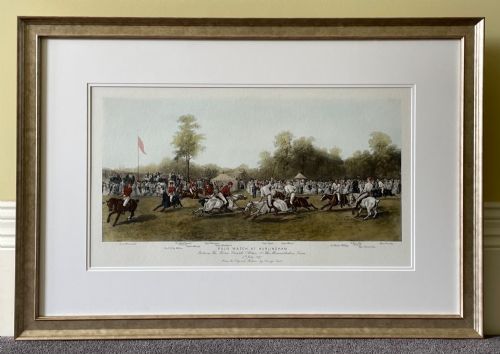
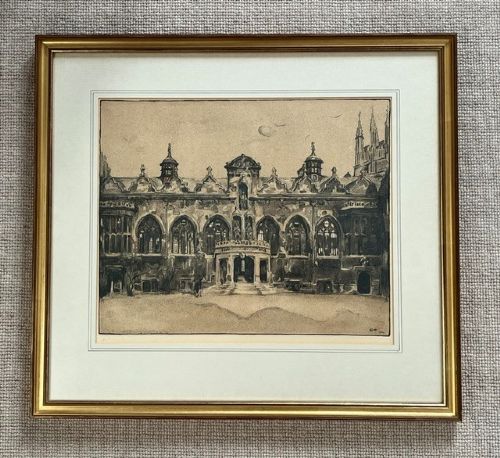
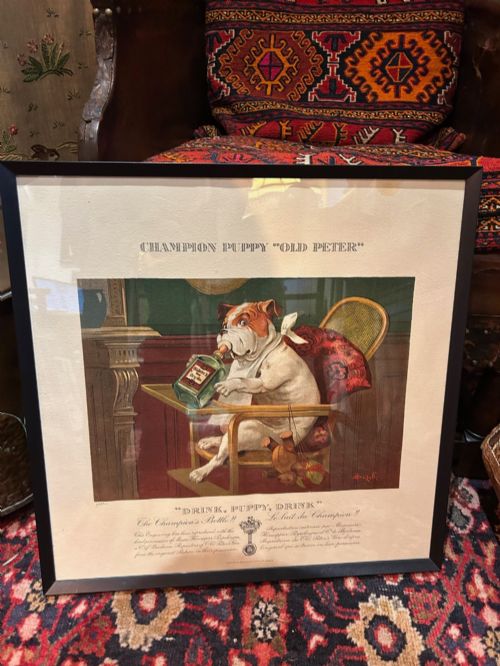
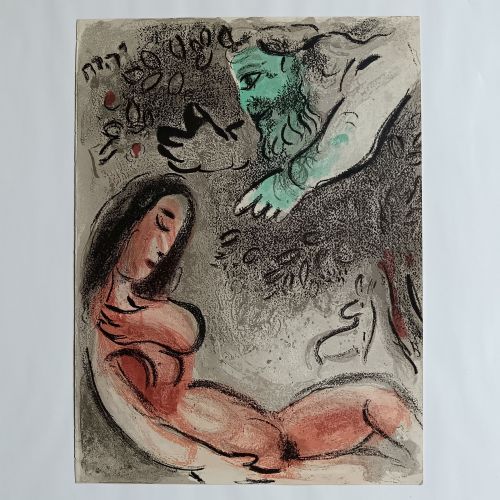
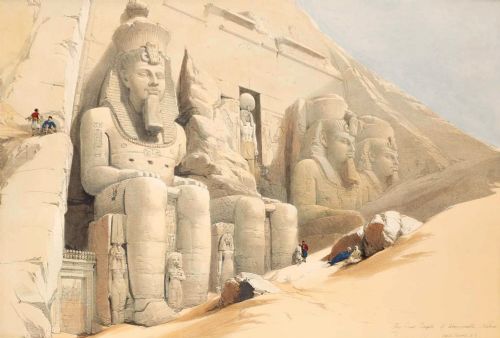
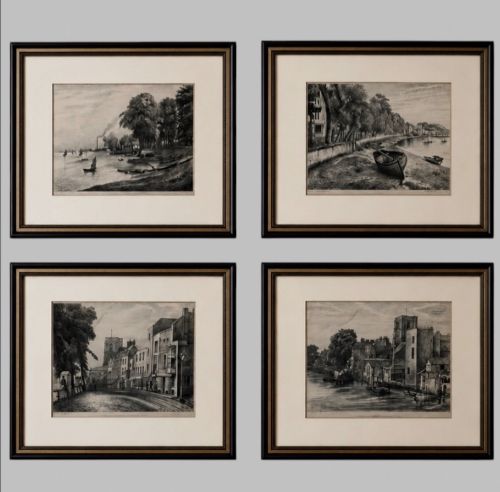
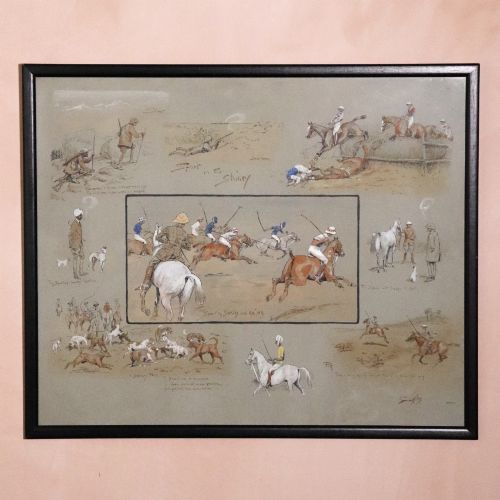
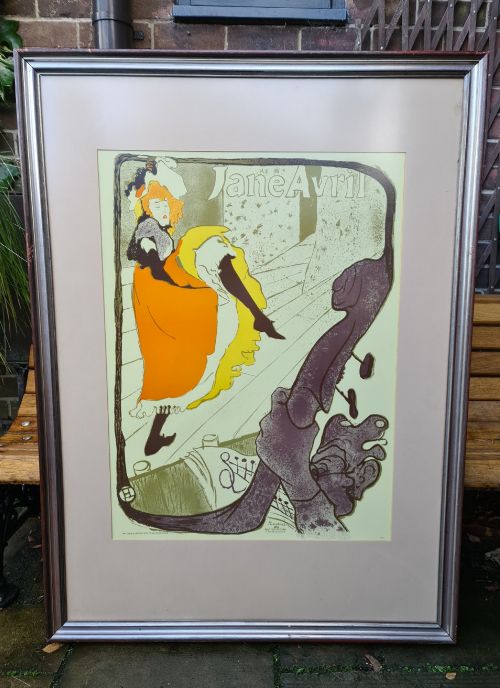
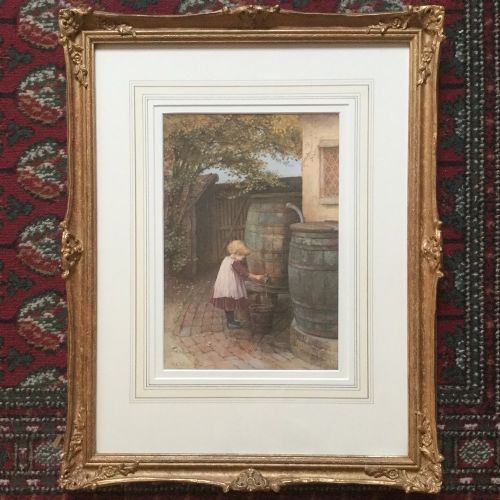
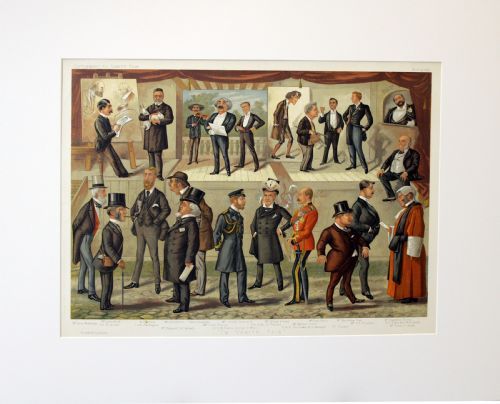
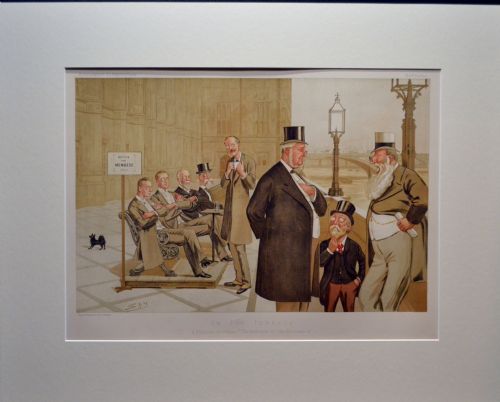
A framed paper lithograph brings historical illustration, advertising and portraiture into domestic spaces through varied periods including the Georgian era, Victorian times, Edwardian years and the mid-twentieth century. Buyers searching for a framed paper lithograph encounter depictions ranging from sporting scenes and architectural views to theatrical moments and satirical magazine supplements.
The selection includes individual plates, paired images and larger sets depicting subjects such as university colleges, military figures, botanical studies and animal subjects. Works attributed to named artists and printers sit alongside anonymous commercial posters and periodical prints housed behind glass.
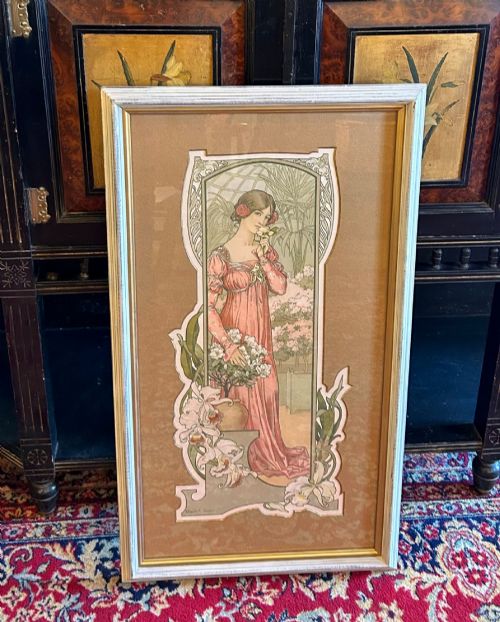
Victorian and Edwardian examples appear frequently alongside twentieth-century French advertising prints and mid-century compositions. These artworks span diverse aesthetic movements including Art Nouveau, Art Deco, Regency and Victorian Orientalism.
Materials and printing methods
Production relies on lithographic ink applied to paper sheets, occasionally utilising chromolithographic processes for multi-coloured results. Finished prints find protection under glass within wooden frames, frequently supplemented by gesso ornamentation and gold leaf details.
Support structures combine metal brackets and wooden backing boards to secure the fragile paper contents. Printers employed specialised lithographic inks on various paper stocks, from standard publication pages to heavy advertising paper and card.
Framed Paper Lithograph Retail Price Guide 2026
Typical asking prices for framed paper lithograph among the pieces listed under this phrase on Sellingantiques today, from the lower quarter to the upper quarter. They describe what is for sale here now, not the wider market.
Listings feature paper lithographs from the Georgian, Victorian, Edwardian, Art Nouveau, Art Deco and Mid-Century Modern periods.
Assessing quality in prints and framing
Quality rests in the crispness of the lithographic ink impression and the retention of vibrant colour across the paper surface. Sharper definition in detailed portraiture and architectural lines distinguishes superior impressions from softer, later strikes.
The condition of the original paper, the absence of excessive fading under glass, and the integrity of period wooden frames and gesso contribute to overall distinction. Complete sets and double-page formats maintain higher visual impact than trimmed single sheets.
Sir William Nicholson·Elisabeth Sonrel·Marcellin Auzolle·Marc Chagall·David Roberts·J.C Burgess·William Day·T.M Baynes·Louis Wain·Pablo Picasso
The Framed Paper Lithograph Glossary
- Chromolithograph
- A colour lithograph produced using multiple stones or plates for each ink colour. This technique allowed rich, layered hues to populate Victorian periodicals and advertising posters.
- Lithograph
- A print made from a flat stone or metal plate treated to retain ink only in designated areas. Artists draw directly onto the surface to create detailed illustrative works.
- Gesso
- A plaster mixture applied to wooden frames before gilding or painting. It provides a smooth base for ornate surface decoration.
- Double-page
- A print format spanning two joined pages within a publication, often unfolded for display. These sheets offer expansive visual compositions.
- Advertising print
- Commercial graphic art created to promote products or events. These pieces capture vernacular typography and period marketing styles.
Framed Paper Lithograph: Frequently Asked Questions
What is a paper lithograph?
A paper lithograph is an image printed onto paper using a planographic printing process where ink adheres to drawn areas on a stone or metal plate. These prints served as magazine illustrations, standalone art pieces and commercial posters throughout the nineteenth and twentieth centuries.
Framed examples preserve the delicate paper surface behind glass while offering immediate wall display. They capture the illustrative styles of diverse historical periods.
How should I hang framed lithographs?
Hanging framed paper lithographs requires avoiding direct sunlight to prevent the lithographic ink and paper from fading over time. Stable indoor humidity levels protect both the wooden frames and the fragile paper supports from environmental damage.
Using sturdy picture wire and wall anchors ensures the weight of the wood, glass and paper is properly supported. Grouping smaller sets together creates balanced arrangements on residential walls.
How do I identify Victorian prints?
Victorian prints often feature subjects related to period fashion, military campaigns, sporting meets or satirical portraiture. The typography, clothing styles and publication formats provide key clues to their nineteenth-century origins.
Many examples originate from contemporary periodicals and satirical magazines of the era. The paper stock and printing characteristics further help distinguish nineteenth-century production methods from later reproductions.
Are these prints original?
Original lithographs are printed from the artist or printer's original plates or stones during the stated period rather than being modern photographic reproductions. Evidence within the listings points to period printing techniques, original publication formats and contemporary ink application.
Examining the paper texture, ink distribution under magnification and framing materials helps confirm authenticity. Signatures, printer credits and publication dates provide additional verification.