


Turn of Century Artwork
Turn of century artwork gathers portraits, watercolours and landscapes capturing the shifting aesthetics of the 1900s.
Turn of Century Artwork
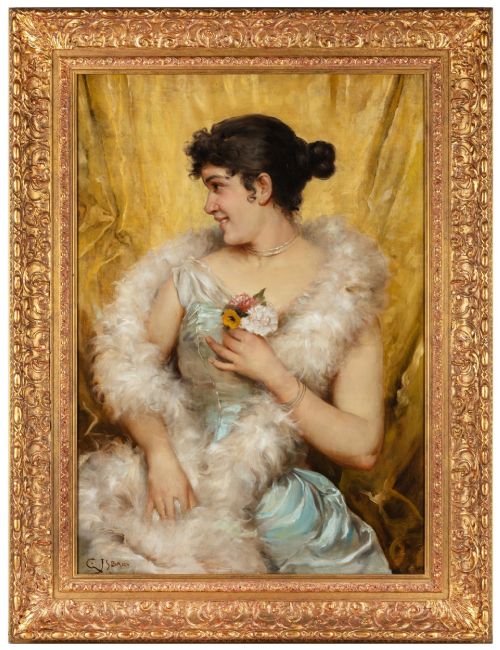
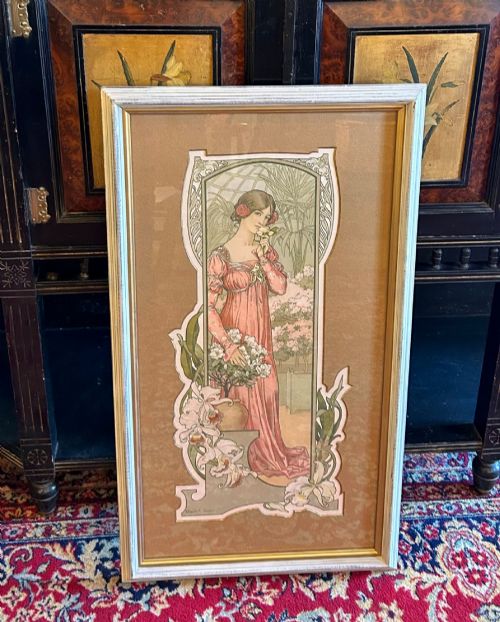
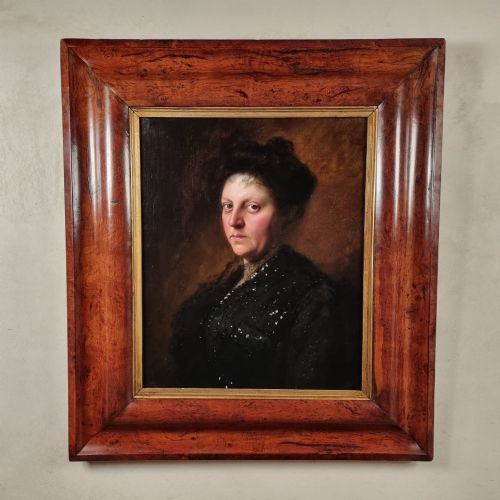
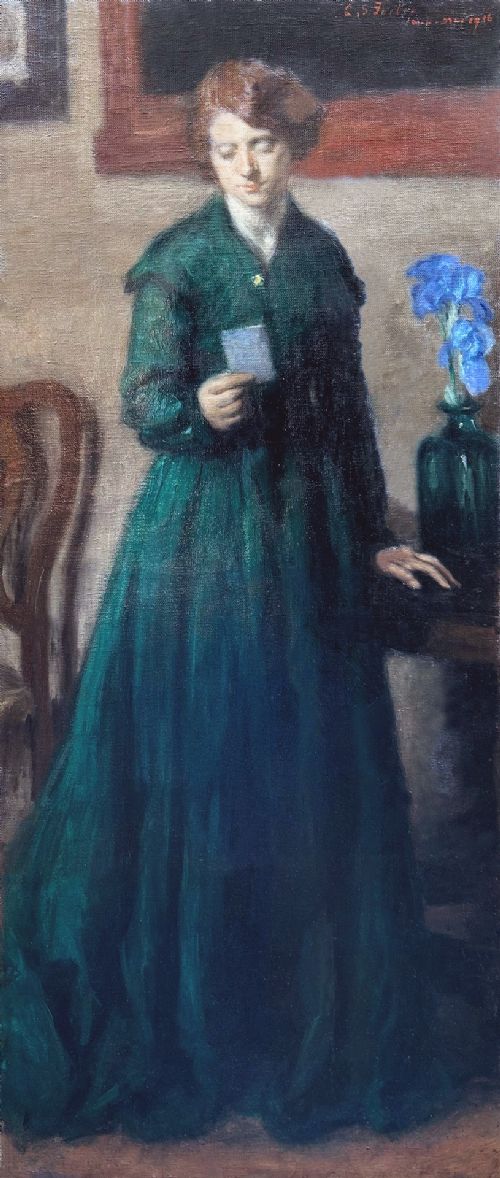
Turn of century artwork covers paintings, drawings and framed pieces dating from the late nineteenth century through to the early decades of the twentieth century. When searching for turn of century artwork, collectors encounter Edwardian and Belle Epoque styles alongside British Impressionism and Art Nouveau influences.
Pieces frequently emerge framed in period wooden or gilt gesso surrounds that complement the fine art within. Dating commonly points to the 1900s, with works by named artists active during this transitional era.
Materials and methods
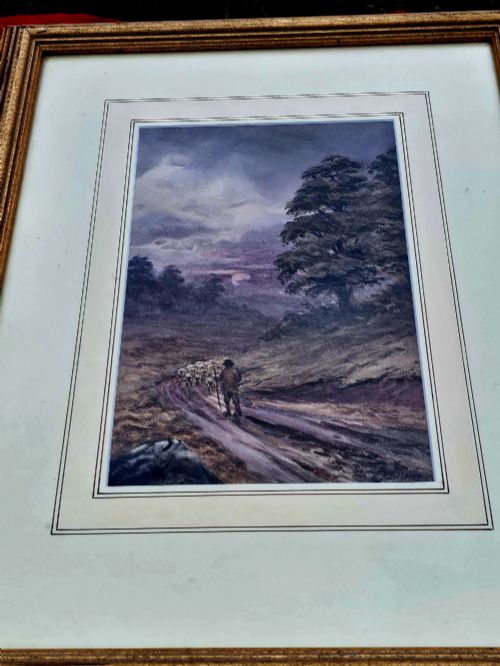
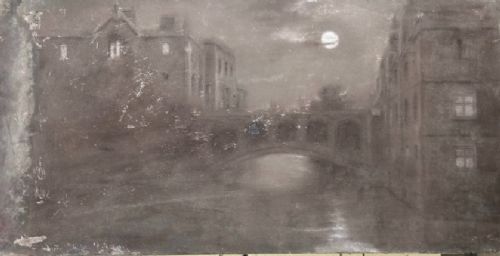
Artists of this period applied oil paint onto canvas or board, and laid watercolour pigment and charcoal onto paper surfaces. These traditional media produce deep tonal variation, particularly in works influenced by tonalism and impressionism.
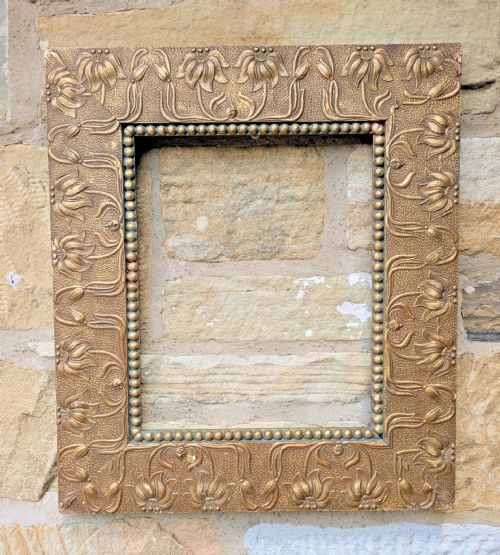
Frames utilise wood, gilt wood and moulded gesso, often featuring detailed gilding or decorative surface patterns. These original surrounds physically protect the delicate paper and canvas works housed inside them.
Listings feature oil on canvas, watercolour pigment, charcoal, and lithographs framed in wood and gilt gesso.
Distinctions in quality
Quality rests upon the skill of the brushwork, the nuance of the colour palette and the compositional strength of the piece. Masterful handling of light distinguishes a striking landscape or portrait from a standard decorative study.
The preservation of the original paper, canvas and gilt frame heavily influences the standing of a piece. Intact surfaces without excessive restoration maintain the authentic character intended by the artist.
Elisabeth Sonrel·Alfred George Morgan·Edward Matthew Elliott·Charles James Lauder·Edward Henry Eugene Fletcher·Frederick William Booty·Joaquín Luque y Roselló·Fernand Toussaint·Charles Prosper Sainton·Albert de Belleroche·Gaston Bouy·Helen Donald Smith
The Turn of Century Artwork Glossary
- Lithograph
- A printmaking process where an image is drawn onto stone or metal and inked for transfer to paper. This technique enabled the reproduction of fine art imagery during the late nineteenth and early twentieth centuries.
- Gesso
- A plaster-like mixture applied to wooden frames before gilding or painting. It provides a smooth base for intricate surface decoration.
- Tonalism
- An artistic style focusing on shadow, atmosphere and subdued shadow rather than sharp detail. It appears frequently in landscape works from this era.
- Watercolour pigment
- Finely ground colour mixed with a water-soluble binder for application on paper. It yields translucent washes of colour favoured for maritime and rural views.
Turn of Century Artwork: Frequently Asked Questions
What periods do these pieces date from?
The works primarily span the turn of the twentieth century, encompassing the Edwardian era, Belle Epoque and Art Nouveau periods. Dates stretch from the late nineteenth century into the 1920s and 1930s.
Creators working during this window adopted diverse European and British styles, blending traditional techniques with emerging modern approaches.
Are the frames original to the artwork?
Many pieces retain their period frames, such as gilded gesso surrounds or simple moulded wood profiles. These housings reflect the framing fashions contemporaneous with the creation of the art.
Checking the fit and backing helps determine if a frame has housed the canvas or paper since its initial production.
What subjects are most common?
Portraits of ladies, coastal scenes, harbour views and pastoral landscapes form the bulk of the imagery. Artists frequently recorded local British topography alongside continental scenes like Venice canals.
Still lifes involving flowers or everyday objects also appear among the painted and drawn selections.
How should I care for these works?
Keep paper and canvas pieces away from direct sunlight to prevent the fading of watercolour pigments and oil colours. Stable indoor humidity protects both the delicate media and the wooden or gesso frames.
Glazed watercolours benefit from conservation-grade framing to guard against atmospheric moisture.