





Late 19th Century Picture
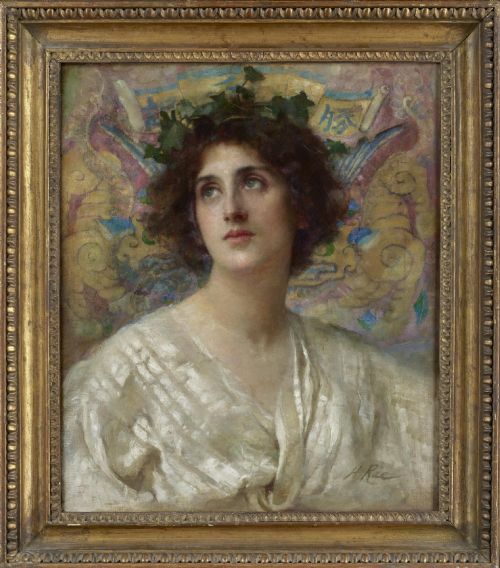
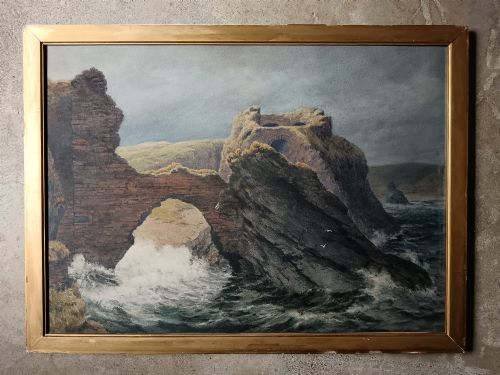
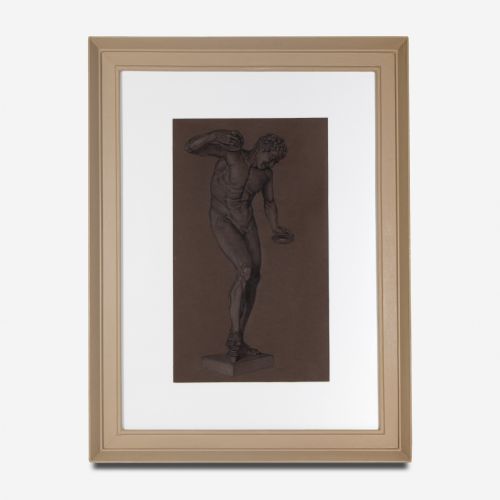
A late 19th century picture brings Victorian hand-painted artistry, watercolour landscapes and framed portraiture straight into a room.
Late 19th Century Picture
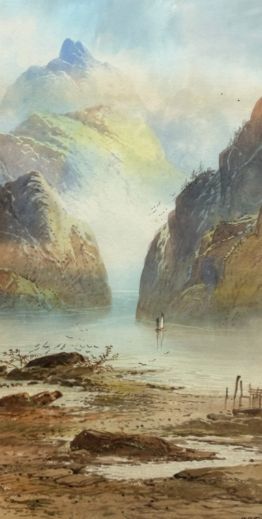
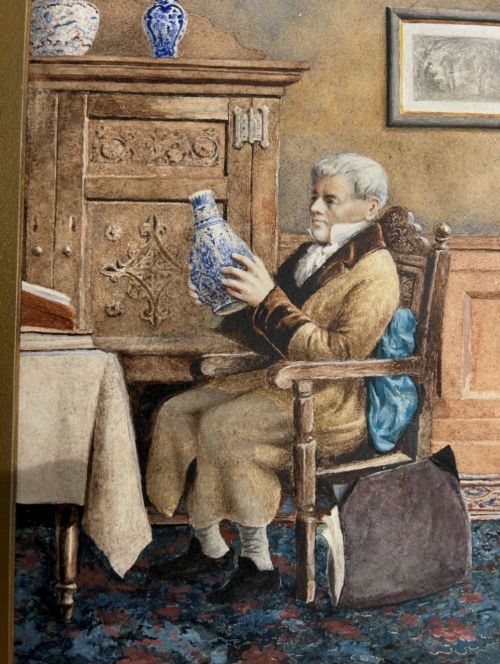
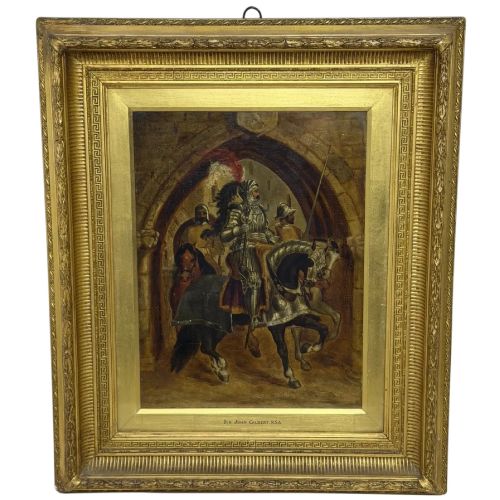
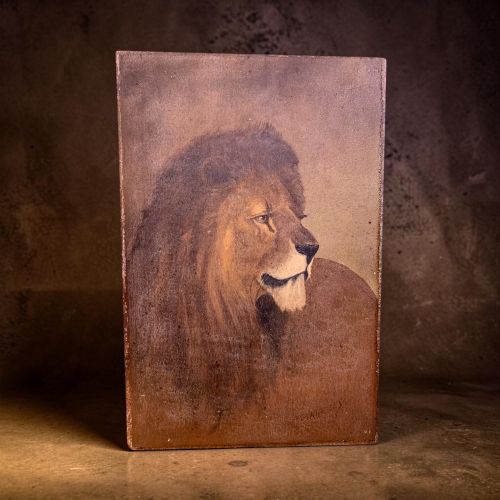
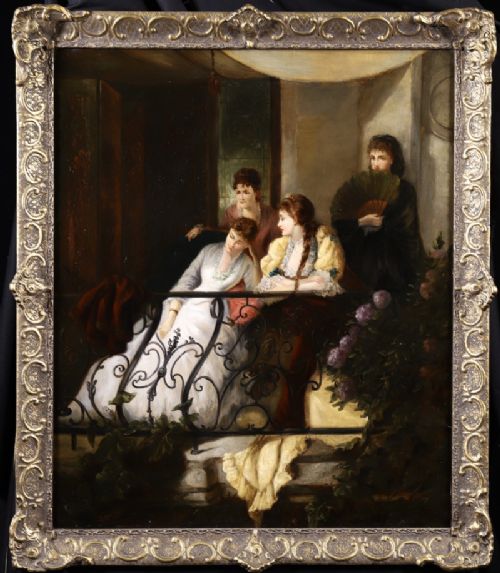
A late 19th century picture comprises works on paper, canvas and wood panels originating predominantly from the Victorian era. Buyers searching this phrase encounter watercolour paintings of Scottish landscapes, coastal scenes and oil portraits.
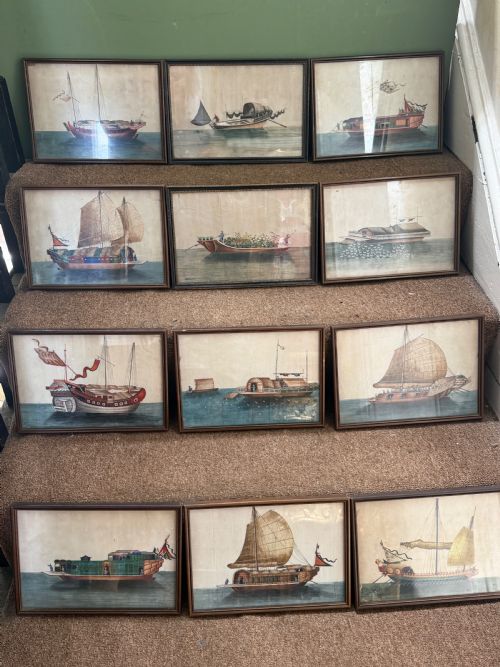
The most frequent form met on this page is the framed watercolour painting, alongside oil on canvas works and decorative Chinese Export gouache sets. These pieces range from naive folk art portraits to detailed botanical and garden studies.
Framed artworks, ormolu photo frames and carved wooden surrounds also appear alongside the paintings. These secondary pieces provide period context for the wall art and display items found within the selection.
Materials and construction methods
Works utilise watercolour, oil paint and gouache applied to paper, stretched canvas or wooden boards. Protective glazing often covers the paper and watercolour pieces.
Frames are constructed from wood, carved pine, burr walnut veneer and gilt wood, frequently housing original artwork behind glass. Ormolu and brass mounts provide decorative metal detail on photographic frames.
Needlework samplers and embroidered pictures utilise thread on fabric foundations to create historical pictorial compositions.
Listings feature works from the 18th century, Georgian and Victorian periods, utilising canvas, glass, watercolour, brass and gilt wood.
Distinctions in quality
Quality rests upon the skill of the brushwork and the clarity of the subject matter, separating proficient academic execution from stiffer naive production. The handling of light in landscapes and expression in portraiture dictate the standing of a painting.
The integrity of the framing materials also determines standard, with period gilt wood, carved decoration and hand-finished ormolu mounts commanding greater appreciation than later replacements.
William Henry Earp·Alfred Young Nutt·Henry Stacy Marks·Sir John Gilbert·Henrietta Rae·John A Monteith·John Moxon·William George Tennick·Robert Little·Harry Wanless·Cipriani·Arthur Herbert Rigg·Robert Buchan Nisbet·Kate E Booth·Consalvo Carelli·Kathleen Winifred Molesworth·Walter Emsley·Eduard Veith·John Baragwanath King·Susan Mary Williams
The Late 19th Century Picture Glossary
- Watercolour
- A paint consisting of pigment suspended in a water-based solution, typically applied to paper. It allows for transparent washes of colour that create luminous landscape effects.
- Gouache
- An opaque water-based paint that includes a white pigment filler, producing solid areas of colour. It appears frequently in Chinese Export ship paintings.
- Crystoleom
- A Victorian method of applying a colour print to glass, clearing the paper backing chemically, and hand-tinting the reverse with oil paint. This technique creates a luminous, layered portrait effect.
- Ormolu
- Gilded bronze or brass applied to decorative frames and mounts during the nineteenth century. It provides a rich metallic embellishment around photographs and pictures.
- Rebate
- The recessed groove on the inner edge of a picture frame designed to hold the artwork and glass securely. Knowing this measurement helps match frames to paintings.
- Sampler
- A piece of needlework produced by individuals to demonstrate proficiency in embroidery stitches and patterns. Historical examples often record text, dates and names.
Late 19th Century Picture: Frequently Asked Questions
How do I hang a heavy oil painting?
Heavy oil paintings require secure wall anchors and robust picture wire fixed directly to the structural wooden stretcher or frame. Ensuring the fixing matches the weight of the canvas prevents structural damage.
Position the picture at eye level, taking into account the proportions of the surrounding wall space and any direct sunlight that might affect the pigments.
Can I reframe a watercolour safely?
Watercolours require careful handling to protect the paper substrate and any original pigments from moisture and acidic mount boards. Conservation-grade backing materials prevent long-term discoloration.
Retain the original period frame whenever possible, as antique surrounds contribute to the historical character and overall integrity of the artwork.
What is a crystoleom?
A crystoleom is a Victorian pictorial technique where a paper print is adhered to glass, clarified, and hand-painted from behind. This process produces a rich, translucent finish prized by collectors of nineteenth-century decorative arts.
Display these delicate items away from direct heat sources to prevent the adhesive layers from separating over time.
How are antique frames dated?
Dating a frame relies on identifying the construction techniques, timber species, and decorative moulding styles such as ormolu mounts or carved floral gesso. Fasteners and corner joints also reveal the period of manufacture.
Original pairings of painting and frame offer the most reliable historical context for nineteenth-century wall art.