


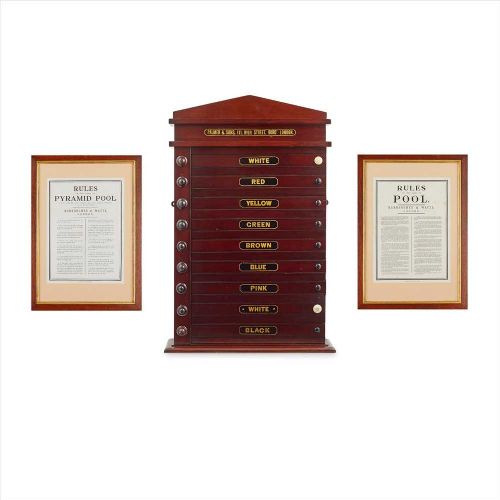
Mahogany Framed Prints
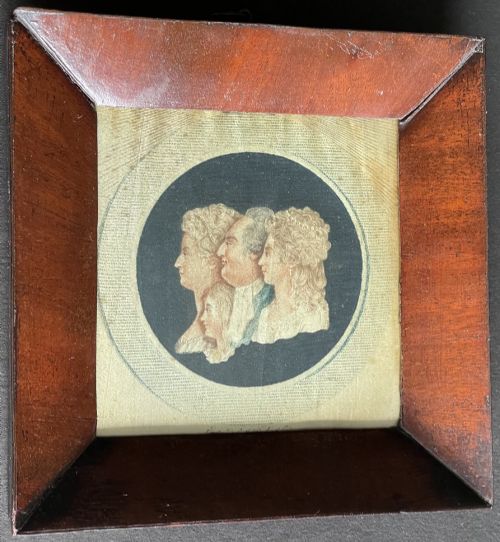
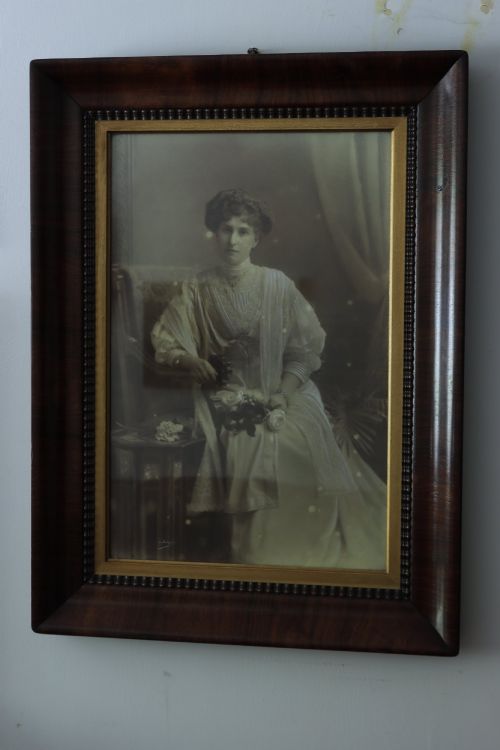
Mahogany framed prints bring warmth and historic character to a room through rich timber surrounds and paper or silk imagery.
Mahogany Framed Prints
Mahogany framed prints encompass works on paper, silk, and card secured within wooden surrounds, spanning periods from the eighteenth century through the Edwardian era. You will frequently encounter Victorian and Regency examples here, ranging from hand-tinted series to individual portraits and topographical scenes.
These pieces combine decorative wall art with functional framing, often utilising rich timber mouldings to house historical imagery, sporting scenes, and theatrical prints. The selection includes individual works as well as matched pairs and larger grouped sets.
What varies in quality
The standard of a piece rests on the crispness of the print impression and the depth of the timber grain within the mahogany frame. Original glass and untouched backboards elevate a piece above later replacements.
Harmony between the age of the print and the construction of the surrounding wood distinguishes superior examples, alongside the clarity of hand-applied tinting or delicate silk fabrics.
The Mahogany Framed Prints Glossary
- Lithography
- A planographic printing process using a flat stone or metal plate to produce detailed images on paper. It gained widespread use during the nineteenth century for illustrative works.
- Chrystoleum
- A Victorian method of applying a hand-coloured print to glass, rendering it translucent before painting the reverse side in oil. This technique creates a luminous, dimensional finish.
- Tinsel print
- A form of theatrical portrait popular in the nineteenth century, embellished with pieces of foil, tinsel, and fabric applied by hand. Collectors value these for their vibrant and tactile appearance.
- Etching
- A printmaking technique where lines are bitten into a metal plate with acid before ink is applied and transferred to paper. It allows for fine, expressive detail.
- Hand-tinted
- Colour applied by hand to a monochrome print using watercolours or washes. This process enhances the visual appeal of botanical, sporting, and topographical plates.
Mahogany Framed Prints: Frequently Asked Questions
How do I date a mahogany frame?
Dating relies on timber grain, corner construction methods, and the type of fixings holding the backboard in place. Earlier frames often show hand-planed surfaces and older glass characteristics.
Secondary indicators include the style of the rabbet and the presence of historic framer labels or period backing paper.
Can I hang these in direct sunlight?
Direct sunlight causes fading to antique paper, silk, and hand-applied watercolours over time. Positioning pieces away from intense UV exposure preserves the pigments.
If natural light fills the room, consider using specialist conservation glass with UV filtering properties.
How should I clean the mahogany frame?
Dust the timber gently with a dry, soft cloth to remove surface particles. Avoid applying household polishes or wet cloths which can damage the aged wood and surrounding paper.
Wax can be applied very sparingly to the wooden border if the finish appears dry, taking care not to touch the glass or print.
Are these prints original to the frames?
Many pieces remain together in their original frames from the Victorian or Edwardian periods, while others have been paired over time. Examining the fit of the artwork within the rebate helps determine original association.
Both period-matched pairings and unified original assemblies are common across historical wall art.