

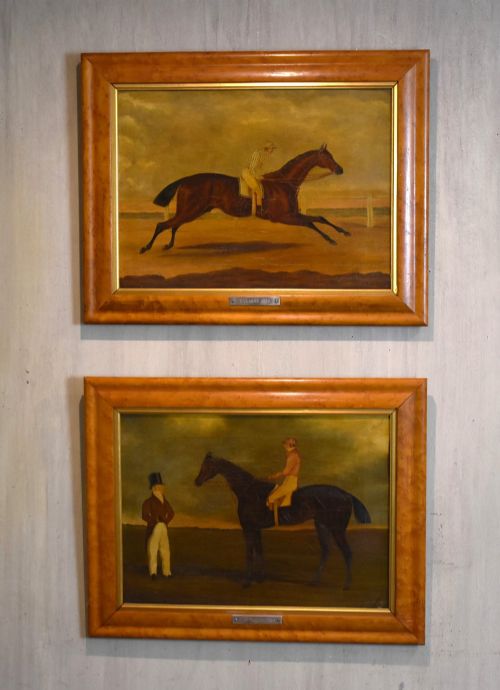


Traditional Wall Art Pair
When you search for traditional wall art pair, you find matching sets of paintings, panels, and mirrors designed to balance a room.
Traditional Wall Art Pair
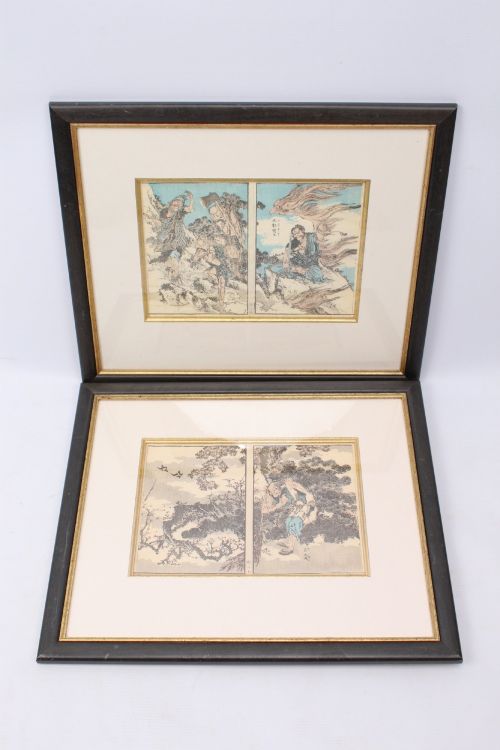
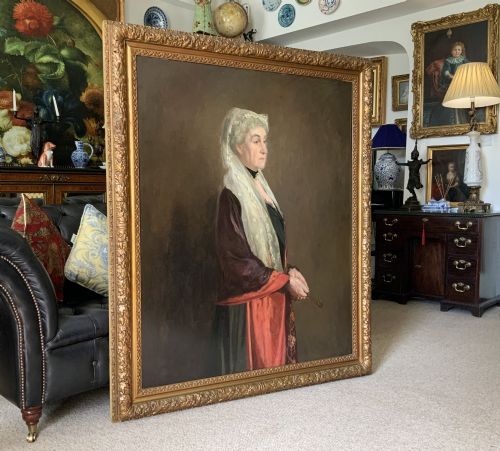
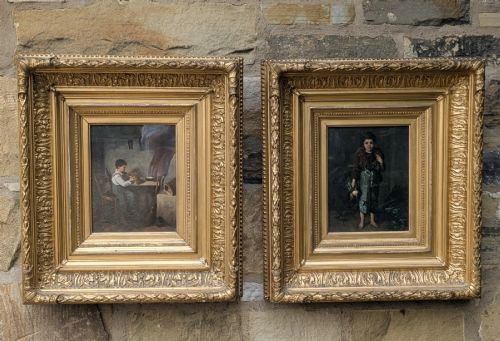
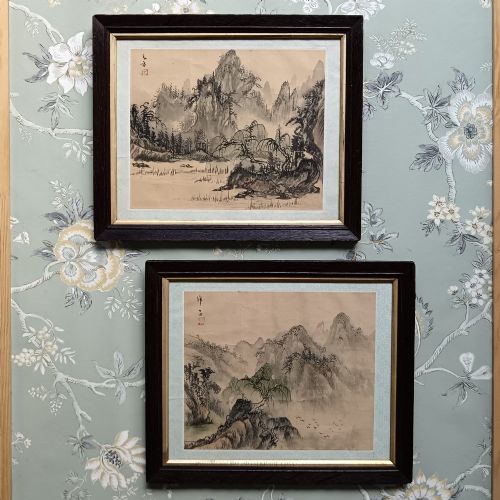
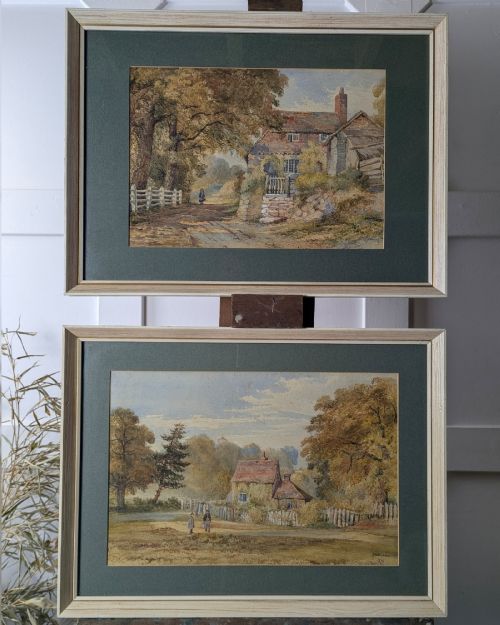
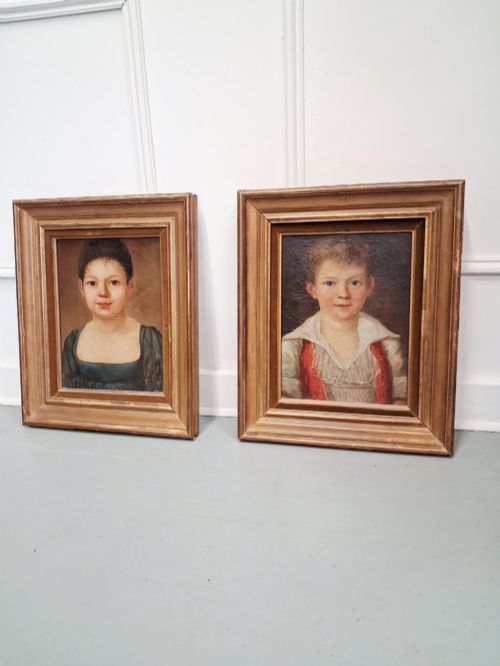
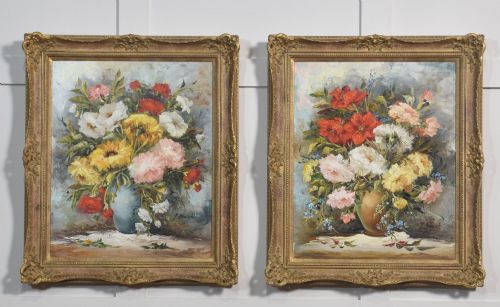
A traditional wall art pair consists of two matching or complementary decorative objects intended to be displayed together on a wall. When searching for this phrase, you will most frequently encounter oil paintings, watercolours, and carved panels originating from the nineteenth and early twentieth centuries.
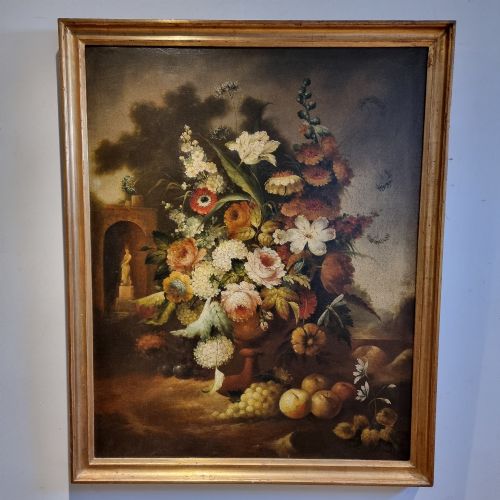
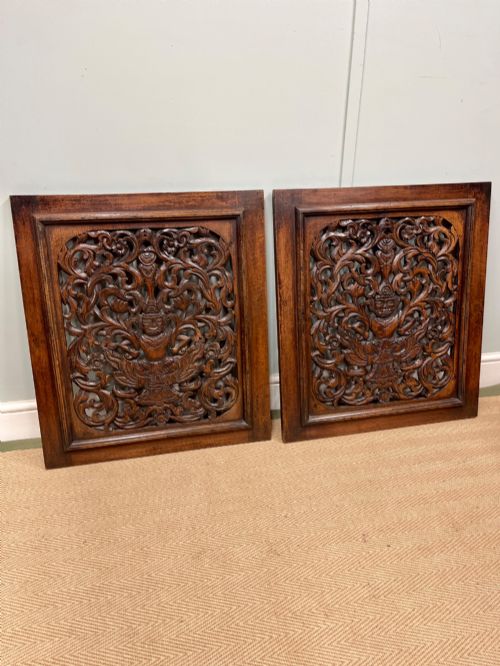
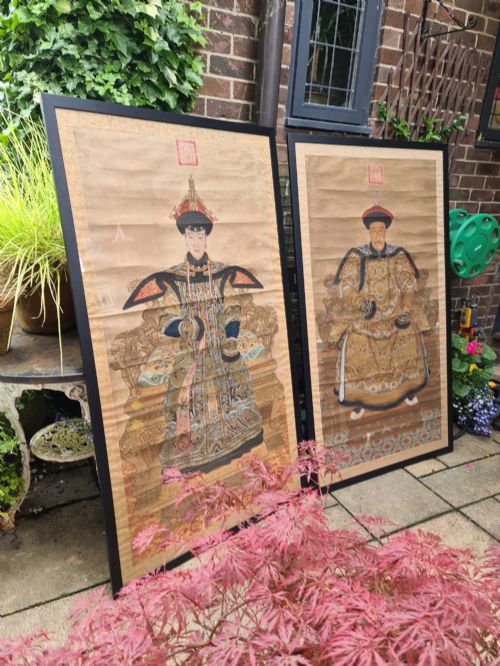
The selection ranges from European portraits, landscapes, and still life compositions to Asian woodblock prints, silk paintings, and carved wooden panels. Many of these matching pairs were created by named artists or specific regional schools to achieve symmetry in domestic interiors.
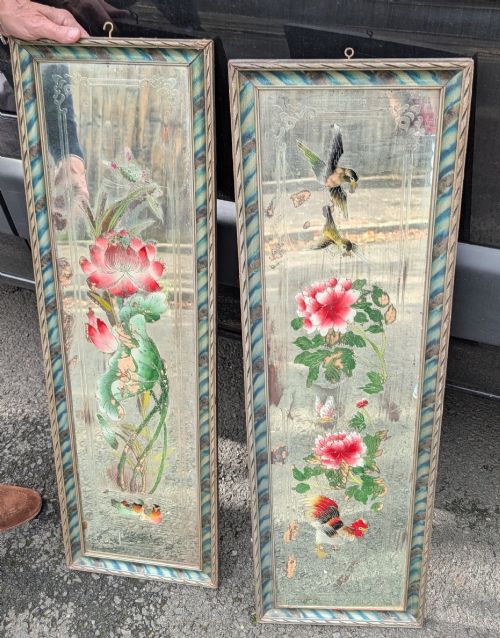
Beyond paintings and prints, the category includes functional or decorative pairings such as ancestral scrolls, silhouette portraits, and convex mirrors. Each matched set relies on consistent scale, subject matter, and framing to function as a cohesive visual unit.
Materials and construction
Oil paint applied to wood panels, canvas, or board forms the foundation of the painted works in this category, often housed within original giltwood or ebonised frames. Artists also utilised watercolours and gouache on paper, alongside silk and embroidered textiles.
Framing plays an integral role, with many pieces retaining their period frames constructed from carved wood, glass, and brass. Relief elements in the wooden panels and mirrors demonstrate traditional hand-carving and glass-silvering techniques.
Materials represented across the selections include oil on canvas and wood, silk, glass, paper, giltwood, and carved wood.
Evaluating the pieces
Quality in a traditional wall art pair depends primarily on the fidelity of the match between the two items, particularly regarding artist execution, palette, and scale. Superior examples maintain identical hand-painted detail and tonal balance across both surfaces.
The preservation of original matching frames and backing materials significantly elevates the integrity of a pair. Pieces bearing legible signatures from established artists or retaining documented provenance offer greater clarity of origin.
W Klombeck·Hokusai·John Frederick Herring Snr·Evelyn Chester·Philip Henry Rideout·Frank Hider·Ferruccio Vitale·William Mellor·Jan Evert Morel·John Sanderson Wells·Henry Schouten·Samuel Sidley·AJ Thornton·W.A. Clark
The Traditional Wall Art Pair Glossary
- Oil paint
- A slow-drying medium consisting of pigment suspended in oil, widely used for fine art panels and canvases. It allows for rich colour blending and layered textures.
- Woodblock print
- An image carved into a wooden block, inked, and transferred onto paper. This technique is prominent in traditional Japanese works.
- Giltwood
- Wood that has been treated with a thin layer of gold leaf or gold paint. It is commonly found on traditional frames and decorative panels.
- Watercolour
- A paint consisting of pigment suspended in a water-soluble vehicle, typically applied to paper. It produces translucent washes of colour.
- Convex mirror
- A round mirror with a curved surface that reflects a wide, distorted field of view. These are often referred to as sorcerer's or witch's mirrors.
Traditional Wall Art Pair: Frequently Asked Questions
What defines a traditional wall art pair?
A traditional wall art pair consists of two distinct yet matching pieces created by the same hand, studio, or publisher to be displayed side by side. They share uniform dimensions, complementary subjects, and matching frames.
These sets were traditionally composed to create visual balance on either side of a fireplace, doorway, or piece of furniture in period interiors.
How do I hang a pair correctly?
When hanging a pair, ensure the centre point of the arrangement sits at average eye level, typically around eye height from the floor. Keep the spacing between the two pieces narrow enough to read them as a single visual unit rather than two isolated items.
Using identical hanging hardware on both pieces helps maintain proper alignment and prevents sagging over time.
How can I tell the period of these pieces?
Dating relies on examining the substrate materials, framing construction, and artistic style visible in the work. Nineteenth-century pieces often feature hand-stretched canvas, older framing joinery, and specific stylistic conventions such as realisable portraiture or landscape realism.
Signatures, stamps, and labels on the reverse of the frames or panels provide further chronological markers.
Were these always sold together?
Most pairs were conceived, executed, and framed together by the artist or workshop to ensure absolute symmetry. Over time, some pairs become separated, making matched survivals increasingly desirable for collectors.
Checking for consistent wear, matching frame mouldings, and consecutive registry numbers helps confirm that the pair has remained together since creation.