

Pair of Framed Pictures
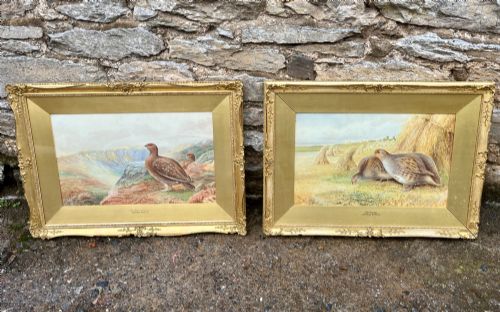
A pair of framed pictures brings symmetry and balance to a wall, offering matched artistry across oil paintings, engravings, and delicate silk embroideries.
Pair of Framed Pictures
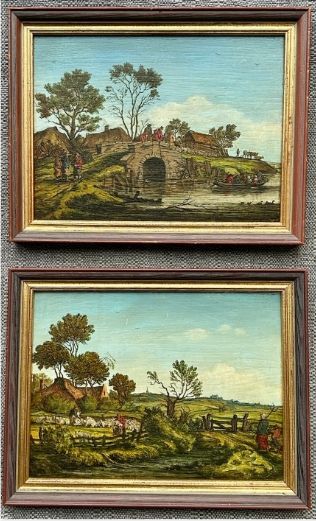
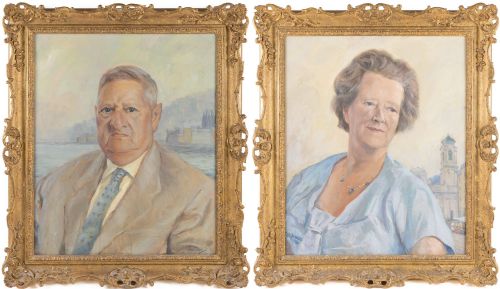
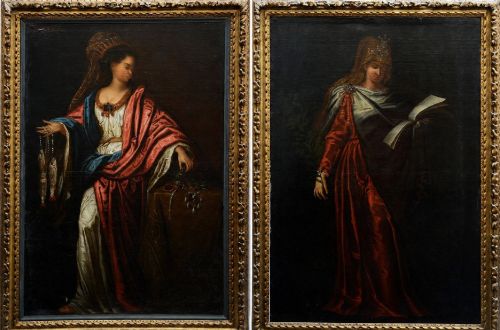
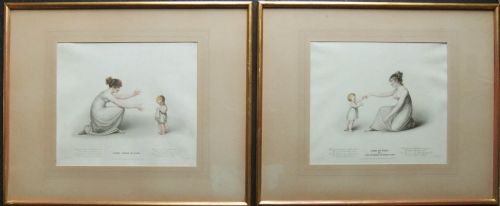
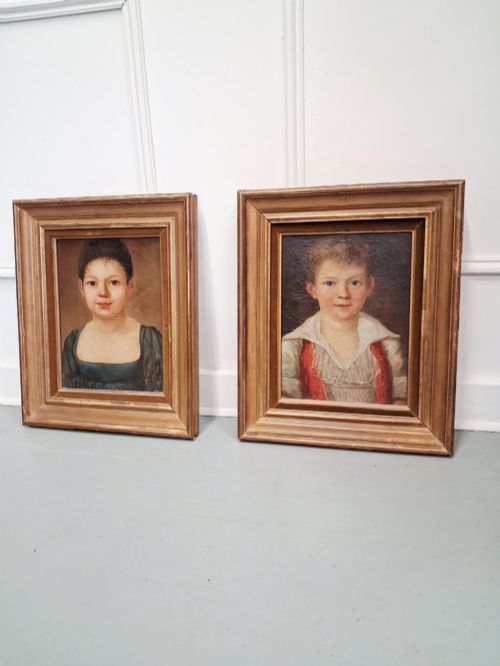
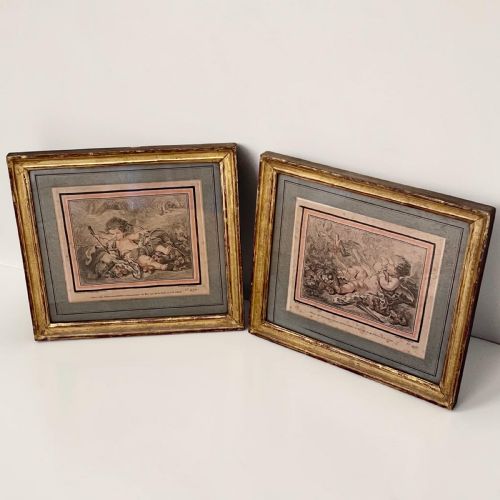
A pair of framed pictures consists of two related works created to hang together, sharing a common subject, artist, period, or framing style. When you search for this phrase, you encounter everything from 18th-century French engravings and Victorian oil paintings to mid-century Italian portraits.
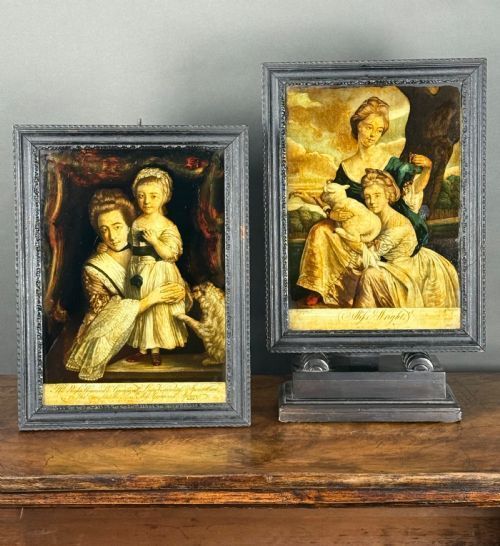
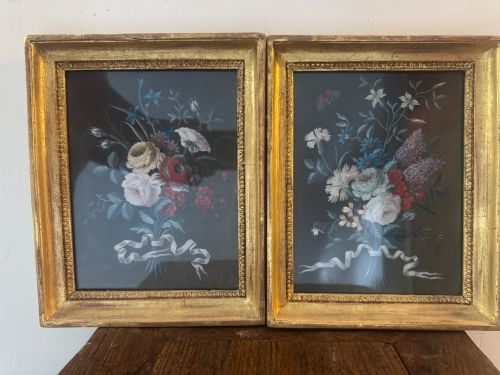
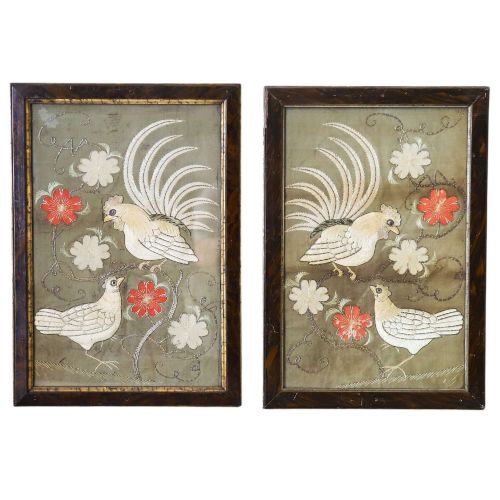
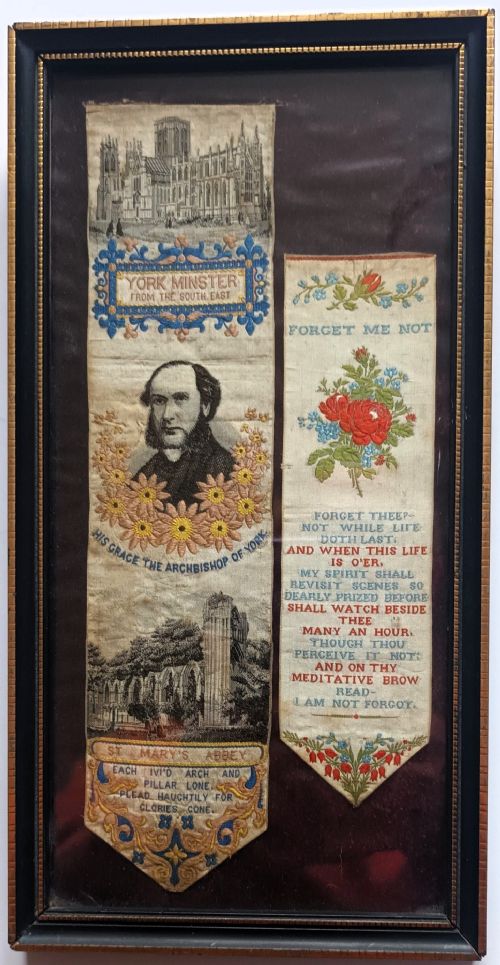
The materials span centuries of craftsmanship, including oil paint on wood panels, gouache on paper, reverse glass mezzotints, and silk embroideries. Many examples arrive in their original giltwood, rosewood, or brass frames, preserving the complete aesthetic intended by the maker.
Materials and construction
The creation of these works relies on traditional media such as oil paint, watercolour, pastel, and printmaking techniques like engraving and lithography applied to paper, wood panels, or canvas. Textile pieces utilise silk threads and embroidery on fabric grounds, demonstrating intricate needlework.
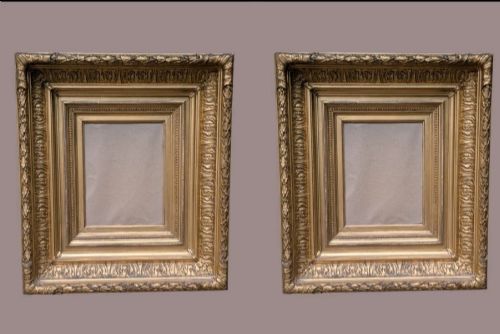
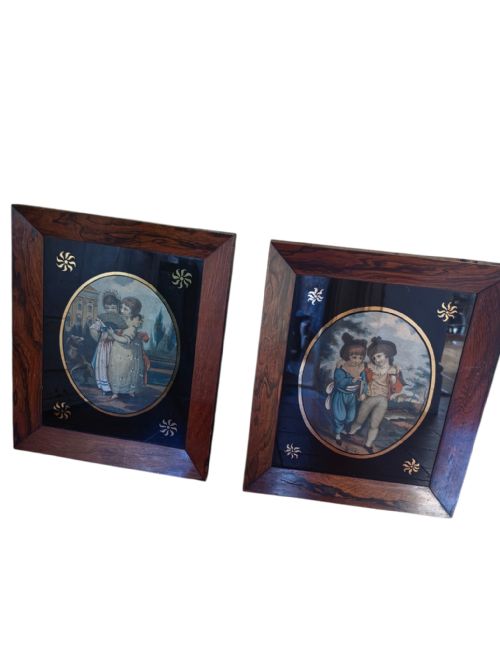
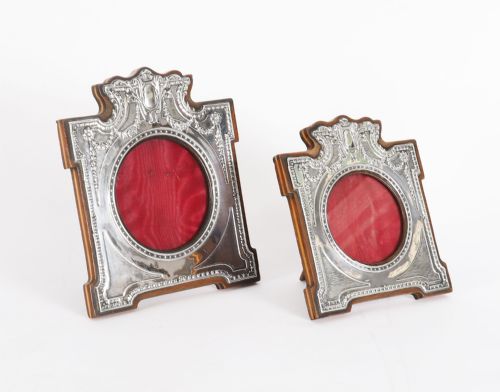
Mounting and framing utilise timber such as rosewood and oak alongside moulded giltwood, gold leaf, and cast brass. Glazing protects delicate works on paper and textiles, while backing boards and original makers' labels frequently secure the assembly.
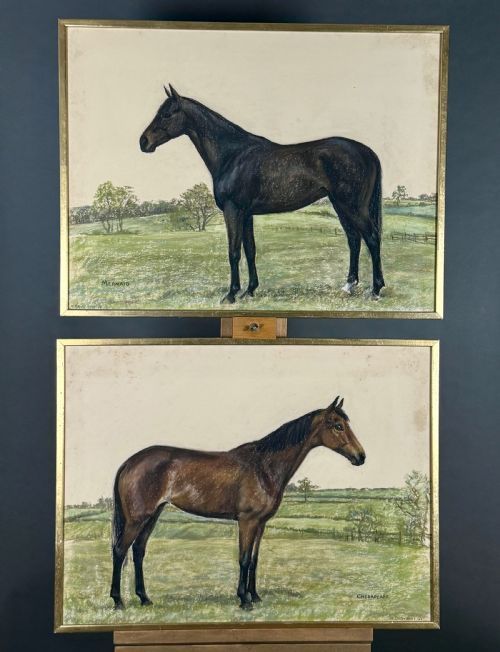
Several pairings celebrate domestic animals, featuring farmyard ducks, champion cocks, and studious cats.
Factors determining quality
Quality rests upon the skill of the execution, visible in the handling of brushstrokes in oil paintings or the crispness of line in early engravings and mezzotints. The distinction between a standard decorative print and a signed original work by a recorded artist shapes the standing of the piece.
The integrity of the frame matters equally, with period-correct gilding, original glass, and untouched backs holding greater appeal than later replacements. Harmony between the two images and their frames ensures the balance expected from a matched pair.
W Klombeck·Adam Buck·George Rankin·Stevens of Coventry·Demarteau·Sherwin and Cotton·John Frederick Herring Snr·Louis Haghe·Claude Cardon·Robert Sayer·F.J. Snell·Louis Wain·Alfred George Morgan·Gustave De Bréanski·John Frederick Herring Jnr·Frank Hider·Colin Graeme Roe·Ernest Uden
The Pair of Framed Pictures Glossary
- Mezzotint
- A printmaking process of the intaglio family where the plate is roughened to produce rich tones and subtle gradations of light and shade. It was widely used for portraiture and reproduction art during the eighteenth and nineteenth centuries.
- Giltwood
- Timber, typically carved gesso on pine or hardwood, coated with a layer of gold leaf. This material defines the ornate frames often found on period oil paintings and mirrors.
- Gouache
- An opaque water-based paint that includes a white pigment binder, producing a heavier and more luminous finish than standard watercolour. It allows for vibrant colour blocking in botanical and landscape studies.
- Lithography
- A planographic printing method based on the repulsion of oil and water, enabling the faithful reproduction of drawings and paintings. It became a primary medium for mass-producing fine art prints in the nineteenth century.
Pair of Framed Pictures: Frequently Asked Questions
How do I hang a pair of pictures correctly?
Hang the two pieces at eye level, ensuring the centre point of the grouping aligns with the viewer's natural sightline. Keep the gap between them narrow enough to read them as a single visual unit rather than two isolated items.
Maintain consistent spacing if you are placing them above a piece of furniture like a sideboard or mantelpiece. Using two hanging points per frame helps keep the works level over time.
Are original frames important for value?
Original frames provide historical context and ensure the artwork is housed in the manner intended by its maker or contemporary owner. Matching frames from the exact period of the artwork enhance the overall authenticity of the pair.
While replacement frames protect the art, matching period mouldings such as swept giltwood or rosewood preserve the visual integrity collectors seek.
How should I care for antique paper and textile art?
Keep works on paper, watercolours, and silk embroideries away from direct sunlight to prevent the fading of pigments and textiles. Stable indoor humidity protects organic materials from warping or developing mould behind the glass.
Avoid hanging these pieces in damp rooms or areas subject to rapid temperature fluctuations. Professional framing with acid-free backing materials safeguards the longevity of delicate prints and embroideries.
What is the difference between an engraving and a lithograph?
An engraving is created by cutting lines directly into a metal plate with a sharp tool, resulting in crisp, fine lines and a slight indentation on the paper. This technique requires significant pressure during the printing process.
A lithograph is produced using a flat stone or metal plate treated to hold ink in specific drawn areas, offering softer tonal transitions. This method allowed artists to capture painterly effects more freely than linear engraving.