


Framed Military Watercolours
Framed military watercolours record officers, engagements and campaigns across centuries of service, offering direct witness to history through pigment on paper.
Framed Military Watercolours
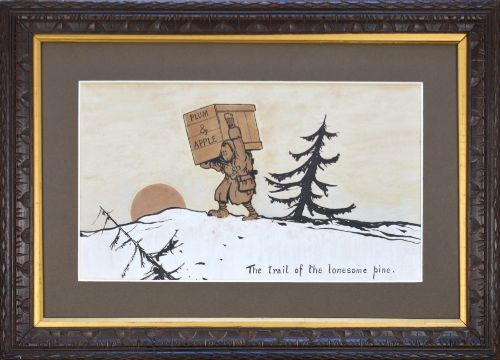
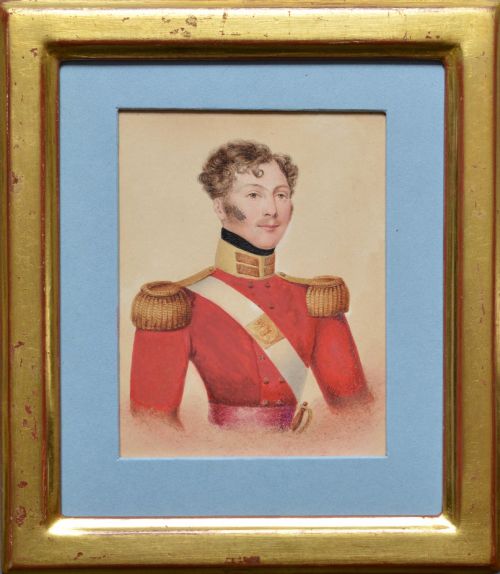
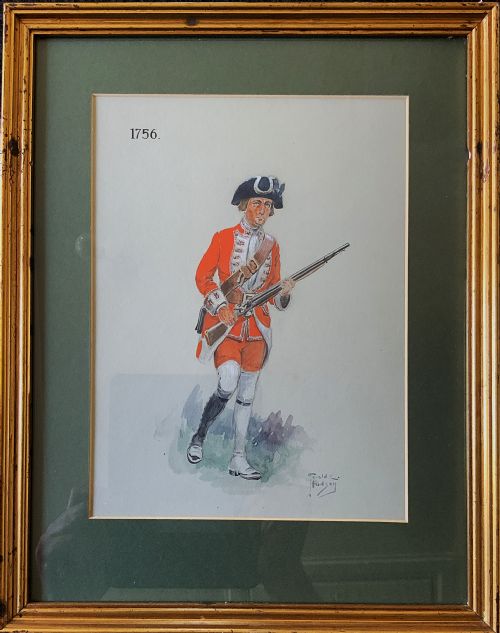
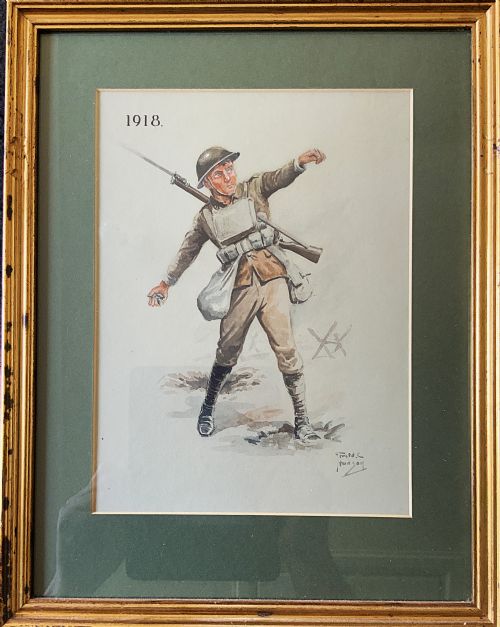
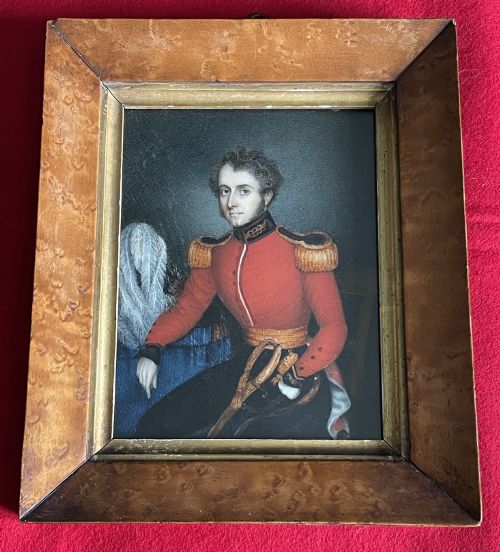
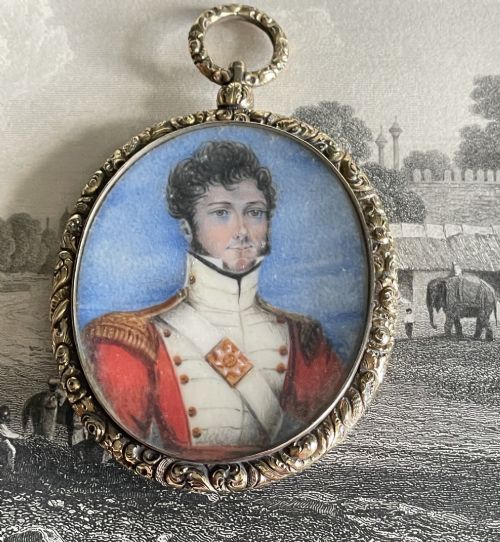
Framed military watercolours present hand-painted likenesses of officers, regiments and naval vessels, spanning the eighteenth century through to the First World War. A buyer encounters portrait miniatures, detailed campaign scenes and humorous garrison illustrations.
The periods represented stretch from Georgian and Regency eras through Victorian and Edwardian times, alongside twentieth-century depictions of conflict. Works originate from named artists and anonymous hands within British and European schools.
The format ranges from small, intimate portrait miniatures housed in gold frames to larger framed artwork depicting cavalry charges and naval ironclads. Many pieces arrive framed in wood, giltwood or gilt metal with glass protection.
How they were made
Artists built these images using watercolour and wash upon paper or agate panels, frequently adding ink for linear definition. Works often combine transparent washes with gouache to achieve dense, opaque highlights on uniforms and metals.
Framing materials reflect the period of creation, utilising timber moulding, gilt wood and gilt metal alongside glass. Miniatures rely on delicate mounting techniques to protect the paper or stone surface within the frame.
Materials recorded across the selection include watercolour, ink, glass, paper, wood, giltwood and agate.
What varies in quality
The preservation of the paper support, the vibrancy of the pigments and the originality of the contemporary frame influence the character of each piece. Works maintaining their original integration of painting, glass and frame hold greater historical cohesion.
Bruce Bairnsfather·J Hardy·Thomas Mackay·Snaffles·Frank Dadd·Edward Pugh·George Cattermole·Wiliam Ousey Lindley
The Framed Military Watercolours Glossary
- Watercolour
- A painting method where fine pigment is suspended in a water-soluble binder, applied to paper. It allows for transparent washes that build up luminous tones.
- Gouache
- An opaque water-based medium containing pigment mixed with a binding agent and white filler. It creates solid, matte areas of colour often used for highlights on uniforms.
- Portrait Miniature
- A small, highly detailed painting executed on paper, vellum or agate. These intimate works typically depict individuals from the eighteenth and nineteenth centuries.
- Agate
- A fine-grained quartz mineral sometimes used as a stable panel for miniature paintings. Its smooth surface supports minute brushwork.
Framed Military Watercolours: Frequently Asked Questions
What periods do these paintings cover?
The works span from the eighteenth century through the Regency and Victorian eras to the First World War. They capture changing military uniforms and artistic styles across these periods.
Earlier pieces often take the form of miniature portraits, while later twentieth-century examples include satirical illustrations and campaign records.
Where do these watercolours originate?
The collection includes works from British schools, alongside pieces reflecting Anglo-Indian service and French naval subjects. Artists ranged from named military illustrators to anonymous hands.
Subjects document specific regiments, individual officers and historical vessels from various theatres of conflict.
How should I display framed watercolours?
Watercolours require protection from direct sunlight to prevent the pigments and paper from fading over time. Maintaining stable indoor humidity levels also safeguards the paper support and wooden or gilt frames.
Displaying them away from direct heat sources ensures the continued preservation of the delicate washes and inks.