


Regency Watercolour Illustrations
Regency watercolour illustrations bring early nineteenth-century scenes to life on paper through delicate pigment and ink.
Regency Watercolour Illustrations
When you search for regency watercolour illustrations, you encounter framed artwork and wall art depicting subjects from botanical studies to military figures. These watercolours capture historical moments, portraits, and domestic interiors across the nineteenth century.
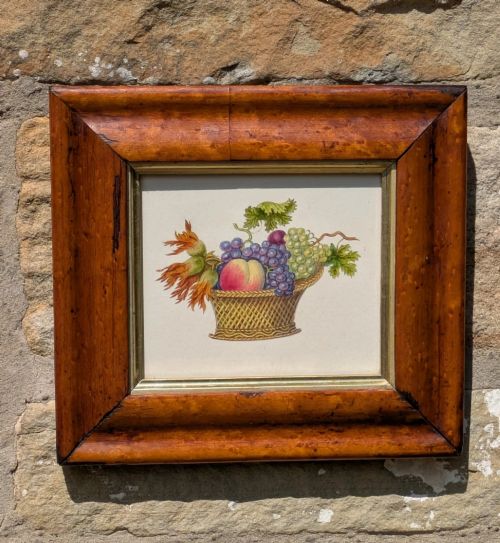
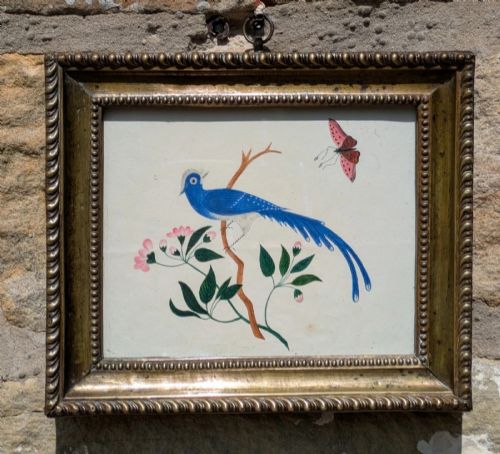
The pieces on this page lean heavily into Regency and nineteenth-century British aesthetics, showing everything from exotic birds and fruit in baskets to military portraits. You also find monochrome ink works enhanced with watercolour pigment, reflecting the varied visual culture of the era.
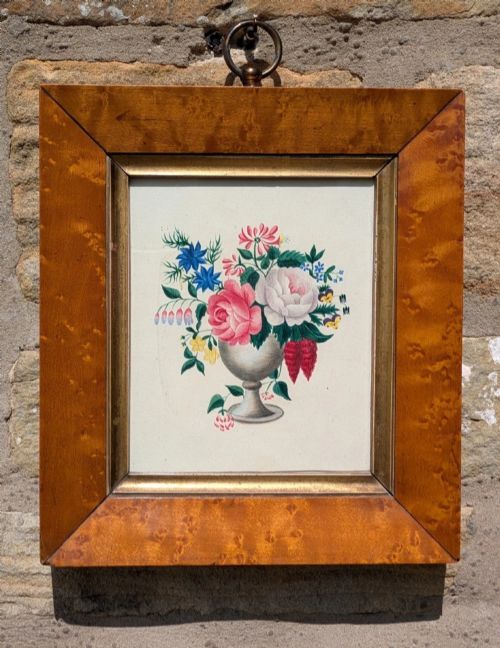
Subjects range from individual botanical flowers and fashion studies to detailed battle scenes like hussars in combat. Such paintings offer a direct window into the visual records kept during the Regency period and subsequent Victorian decades.
How they were made
Artists executed these watercolours primarily on paper, often combining watercolour pigment with ink to build both fine line work and washes of colour. Selected pieces employ pencil alongside watercolour to map portraits and architectural views before applying pigment.
Framing materials play a supporting role in the presentation of these works, with glass protecting the delicate paper surfaces. Gilt wood, maple veneer, and plain wood frames surround the paintings, reflecting the framing styles associated with nineteenth-century display.
Listings span the nineteenth century, incorporating specific dates from the Regency era through to nineteen-twenty.
What varies in quality
Quality reveals itself in the precision of the brushwork and the clarity of the subject, distinguishing rapid caricatures from meticulously rendered portraits or botanical studies. The complexity of the composition, such as multi-figure military scenes or detailed interior rooms, sets finer examples apart.
The preservation of the paper and the vibrancy of the watercolour pigment influence the standing of a piece. Works retaining their original framing materials, whether gilt wood or maple veneer, maintain a more cohesive historical presentation.
George Perfect Harding
The Regency Watercolour Illustrations Glossary
- Monochrome ink
- A drawing or painting executed in a single shade of ink, frequently augmented here with touches of watercolour pigment.
- Maple veneer
- A thin decorative layer of maple wood applied to a backing surface, often utilised in nineteenth-century picture frames.
- Gilt wood
- Wood that has been coated with a thin layer of gold leaf or gilt finish, commonly found on traditional frames.
- Watercolour pigment
- The finely ground colour particles suspended in a water-soluble binder that form the medium of these paintings.
Regency Watercolour Illustrations: Frequently Asked Questions
What subjects do these watercolours show?
The listings feature a diverse array of subjects including botanical flowers, exotic birds, and fruit arrangements in baskets. You also discover military figures, fashion studies, and architectural views like country houses.
Other works record historical battle scenes, interior sitting rooms filled with furniture, and characterful caricatures. Each piece reflects the specific visual interests of the nineteenth century.
How should I frame these watercolours?
Many of these pieces arrive already housed in period surrounds such as gilt wood or maple veneer frames. Glass typically covers the artwork to protect the fragile paper and pigment from dust and handling.
When updating presentation, ensure the framing materials respect the nineteenth-century origins of the paper. Keep watercolours away from direct sunlight to prevent the fading of delicate pigments.
Are these works signed by artists?
Certain pieces attribute their creation to specific individuals, such as portraits recorded by named artists like George Perfect Harding. Others fall under broader designations such as English School or remain anonymous.
The focus often rests on the subject matter and period style rather than a signature alone. Unsigned works still provide clear evidence of nineteenth-century draughtsmanship and watercolour technique.
How do I identify a Regency period piece?
Regency watercolours often display the characteristic palette, costume, and subject matter of the early nineteenth century. Fashion studies, military uniforms, and botanical illustrations from this era follow distinct stylistic conventions.
Materials such as handmade paper and period wooden frames further support the dating of these artworks. Comparing the handwriting, ink types, and paper textures helps distinguish Regency pieces from later nineteenth-century or twentieth-century works.