


Blue Coat Watercolour Portrait
These blue coat watercolour portrait pieces are miniature paintings and framed artworks from the eighteenth and nineteenth centuries.
Blue Coat Watercolour Portrait
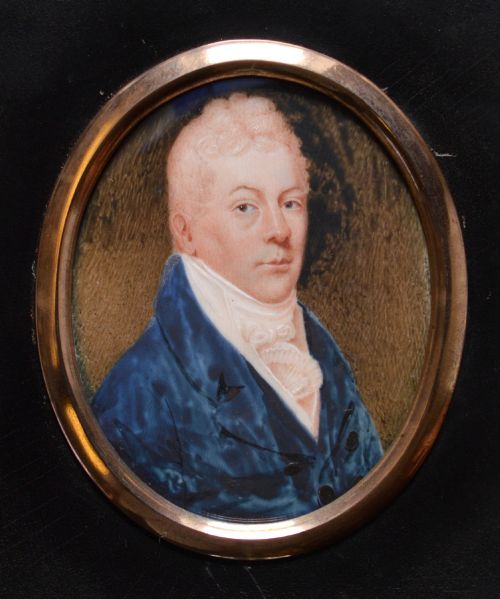
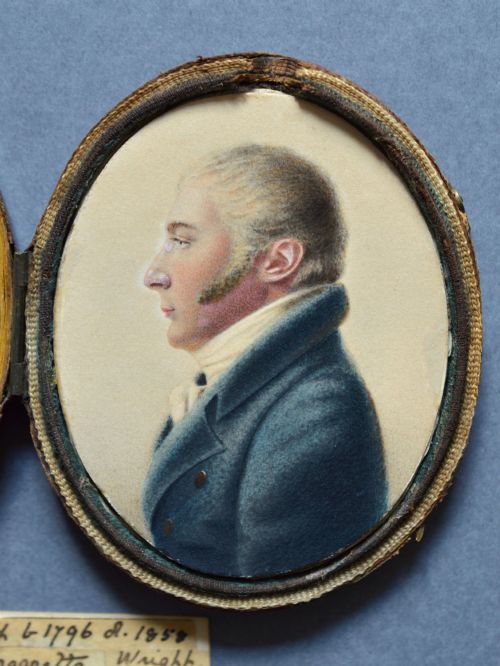
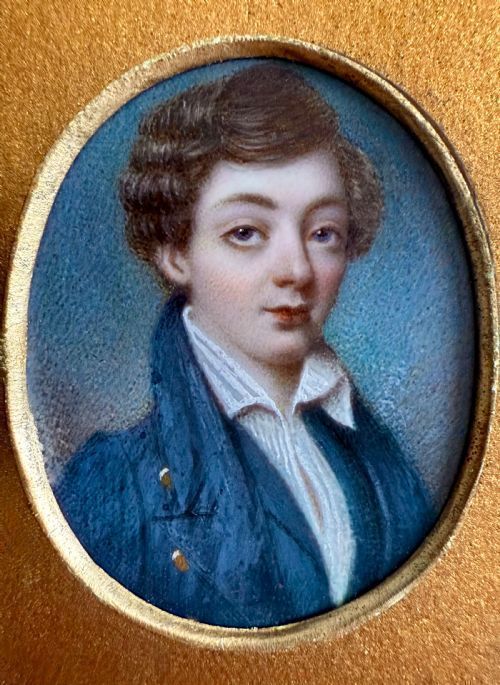
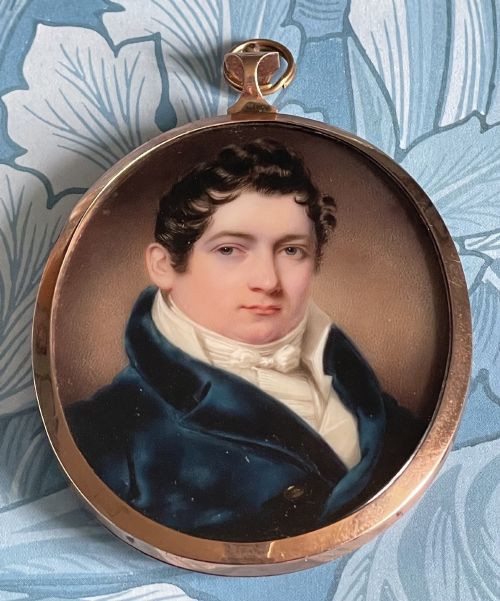
A blue coat watercolour portrait depicts subjects in distinctive blue attire, rendered delicately on paper, ivory or agate panels during the Georgian, Regency and Victorian eras. These framed paintings and portrait miniatures capture officers, gentlemen and individuals of note from the eighteenth and nineteenth centuries.
The versions most commonly met on this page originate from British and Irish studios, spanning periods from the seventeen sixties through to eighteen fifty-three. Works feature notable sitters like Thomas Forsyth and Edward Chance, alongside military figures such as a soldier and sailor.
How they were made
Artists utilised watercolour on paper, ivory or agate panels, applying fine pigments to achieve detailed likenesses on small surfaces. Many examples received protective glass coverings and were housed in frames constructed from wood, gilt metal or eighteen karat gold leaf.
A pair of early nineteenth-century watercolours depicts a soldier and a sailor, both equipped with wooden legs.
What varies in quality
The quality of the framing materials, such as eighteen karat gold leaf or substantial gilt metal, indicates the original commission's importance. Preserved surfaces under glass without fading or water damage retain the vibrancy intended by the Georgian and Victorian artists.
Thomas John Horsley·Richard Cosway·John C D Engleheart·Samuel Cotes·Diana Hill·AE Chalon·John E Bosanquet
The Blue Coat Watercolour Portrait Glossary
- Watercolour
- A painting method where fine pigments are suspended in a water-based solution and applied to paper, ivory or prepared panels. This technique allowed artists to create translucent layers and subtle tonal gradations.
- Miniature painting
- A small-scale portrait or artwork created with meticulous detail, often designed to be held in the hand or worn as a locket. These works required specialised magnifying lenses and fine brushes.
- Gilt metal
- Base metal treated with a thin layer of gold or gold-coloured wash to imitate solid precious metal frames. It provided a durable and decorative border for portable artworks.
- Agate panel
- A polished slice of natural stone used as a firm drawing or painting surface. Artists utilised its smooth texture to achieve miniature details with exceptional clarity.
- Georgian
- The historical period spanning the reigns of the four British monarchs named George, lasting from seventeen fourteen to eighteen thirty. Works from this era display distinct stylistic transitions from Rococo to Neoclassical tastes.
Blue Coat Watercolour Portrait: Frequently Asked Questions
What is a blue coat watercolour portrait?
A blue coat watercolour portrait is a miniature painting or framed artwork depicting a subject wearing a blue coat, produced primarily during the eighteenth and nineteenth centuries.
These works range from detailed depictions of naval officers to portraits of country gentlemen, executed on paper, ivory or agate panels by period artists.
How were these miniature portraits displayed?
These portraits were typically framed in wood, gilt metal or eighteen karat gold leaf, often protected beneath a fitted glass cover.
Many were designed to be hung on walls as framed artwork or kept closely as portable mementos in leather cases.
How can I tell Georgian from Victorian portraits?
Georgian portraits usually date before eighteen thirty and reflect eighteenth-century aesthetics, costume and softer miniature painting conventions.
Victorian pieces align with the later nineteenth century, showing different framing styles, sitters' clothing and documentary details such as specific dates or named locations.
What materials were used in these portraits?
Artists painted with watercolour pigments on supports such as paper, ivory and agate panels, depending on the period and the miniaturist's preference.
Frames incorporated glass, wood, gilt metal, gold leaf and sometimes leather backing to protect the delicate painted surfaces from environmental damage.