
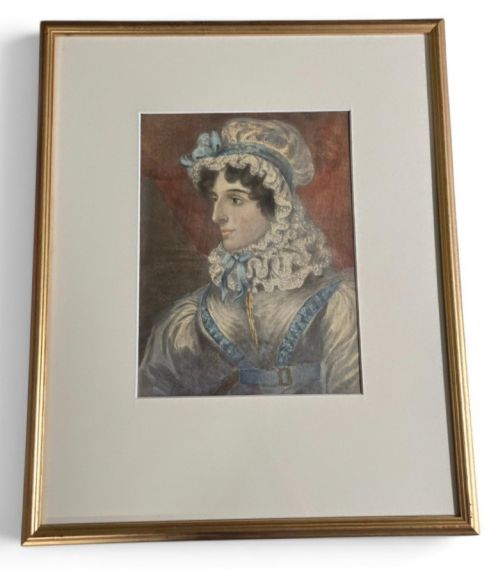
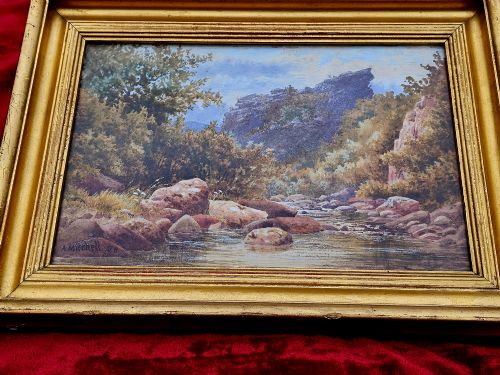
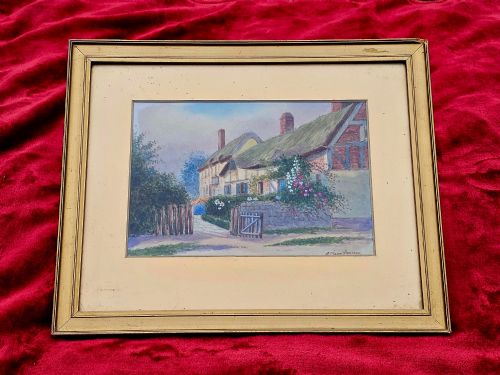
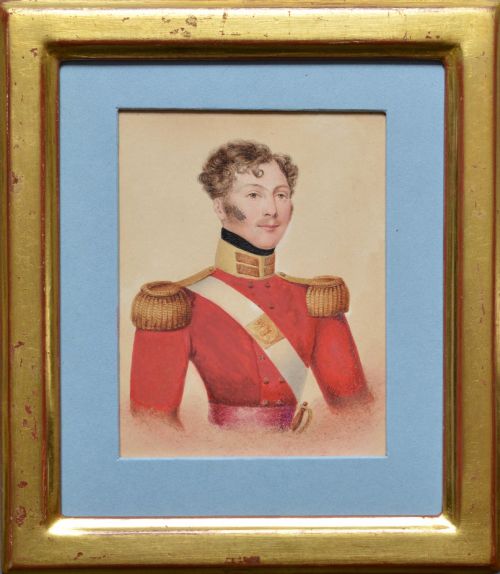

Gilt Framed Watercolours
These gilt framed watercolours bring together fine paper pigment and gilded woodwork, offering a refined wall display for any traditional interior.
What these pieces are
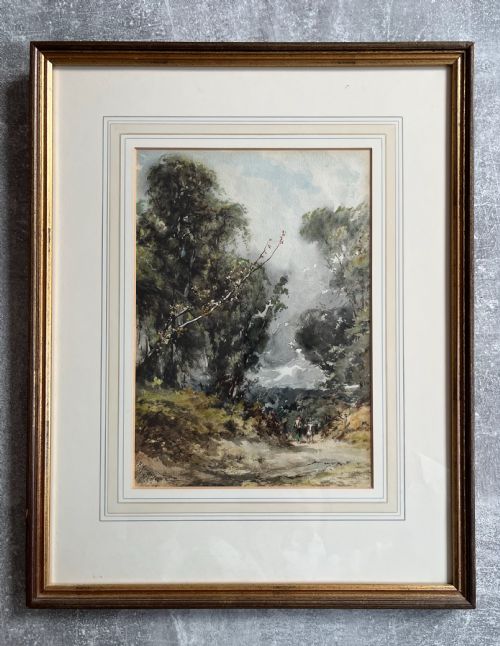
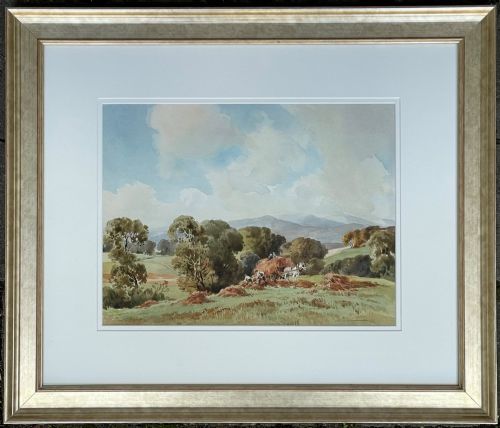
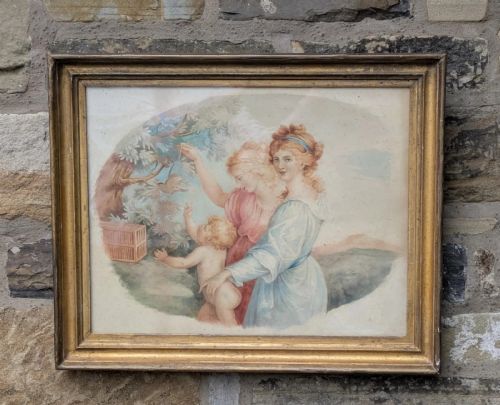
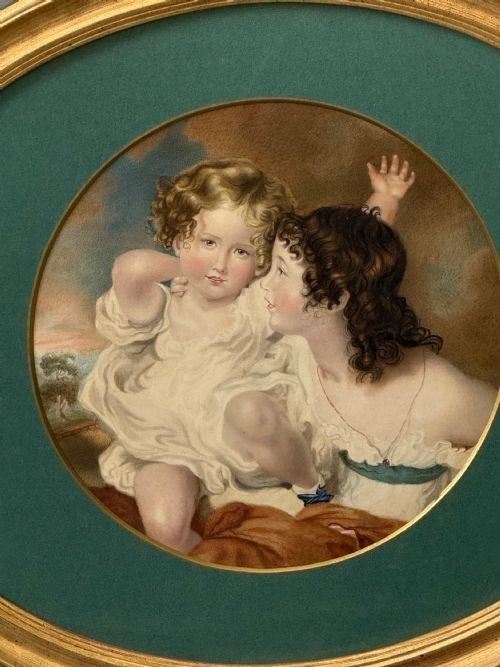
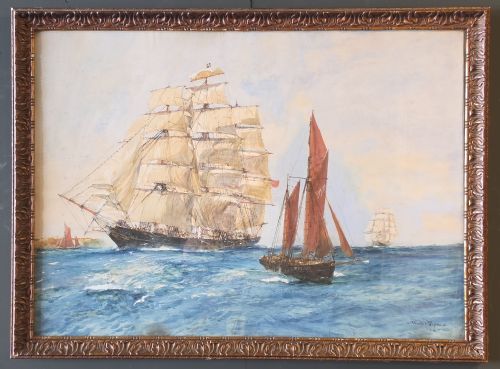
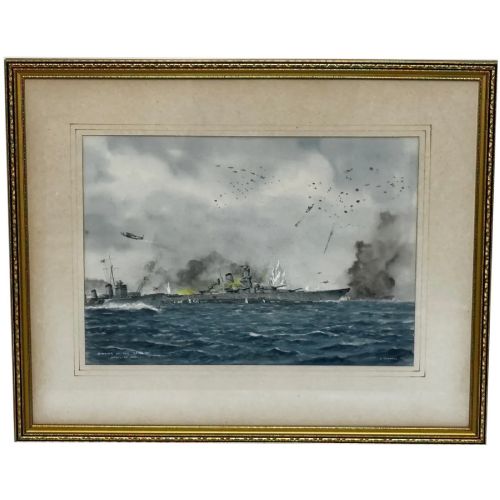
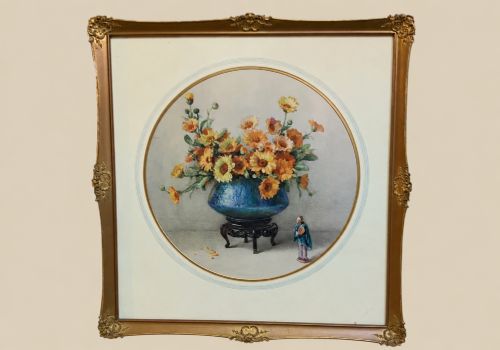
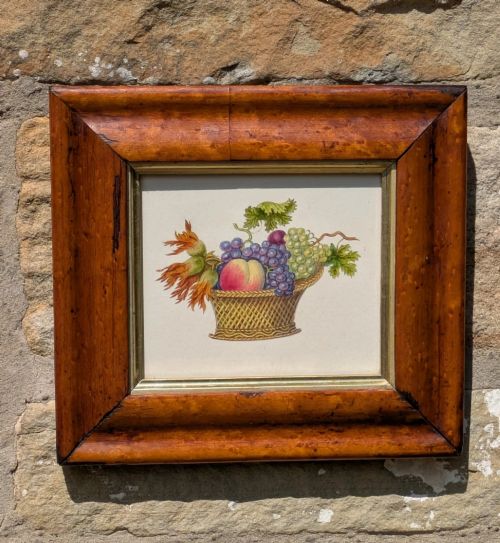
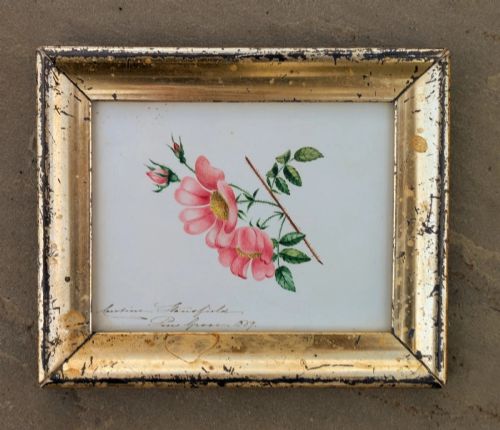
Gilt framed watercolours comprise delicate paintings executed on paper using watercolour pigment, housed within protective glass and mounted in gilded wooden surrounds. These works range across several periods, including eighteenth-century German studies, mid-nineteenth-century British maritime realism, and early twentieth-century illustration.
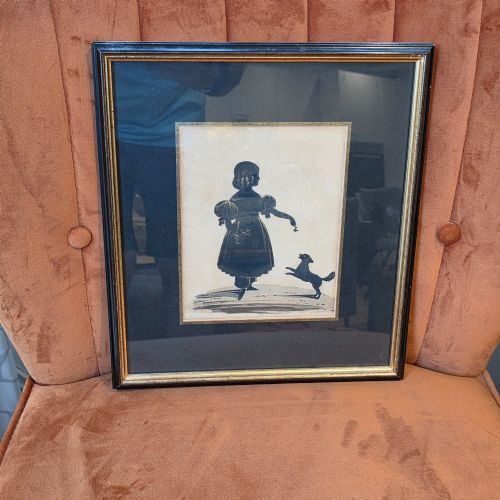
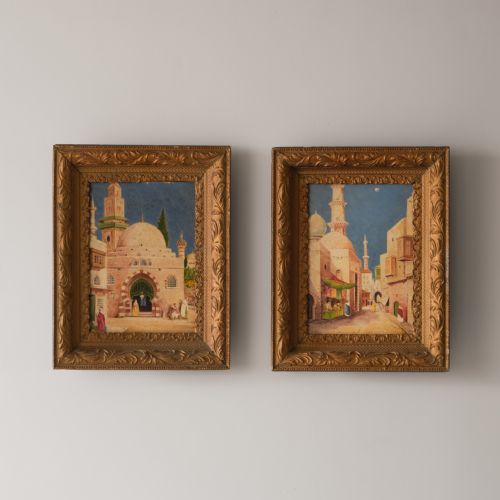
Buyers frequently encounter paired works on this page, such as depictions of game birds, children with dogs, and views along the Thames. The framing often utilises gold leaf or giltwood, framing the watercolours securely behind glass to preserve the pigment.
The styles span traditional Victorian and Edwardian aesthetics alongside eighteenth-century European sensibilities. These paintings function primarily as framed pictures and wall art, reflecting diverse regional schools from British to continental European makers.
How they were made
The physical construction relies on watercolour pigment applied carefully to paper supports. Artists built up their compositions using fluid washes and precise linework, capturing subjects ranging from natural history to coastal scenes.
Protection and presentation are achieved through glass panes set directly in front of the artwork. The surrounding frames are fashioned from wood and finished with gold leaf or giltwood, providing a bright, reflective border that complements the light tones of the watercolour beneath.
Retail Price Guide 2026
Typical UK retail prices for gilt framed watercolours, calculated from the Sellingantiques database of over a million retail prices indexed since 2003. This retail price guide relies exclusively on Sellingantiques data; no external sources or auction records are used, so the figures do not describe the wider market.
Several artists clearly enjoyed painting pairs of dogs and game birds just as much as their human clients enjoyed hanging them.
What varies in quality
Quality rests principally on the delicacy of the watercolour technique and the preservation of the paper support. Finer works display confident brushwork and secure pigment adherence without excessive fading or discoloration.
The execution of the gilt frame also dictates value, with hand-applied gold leaf on carved wood standing apart from later or simpler giltwood finishes. Cohesive matching pairs naturally command greater interest than single surviving examples.
George Rankin·James H Hulse·Gordon Meadows·Karl Feiertag
The Gilt Framed Watercolours Glossary
- Watercolour
- A painting method where the pigments are suspended in a water-based solution. This technique allows for translucent washes of colour on paper.
- Giltwood
- Wood that has been treated with a thin layer of gold leaf or metallic gilt powder. It provides a bright decorative border for framed pictures.
- Victorian
- Pertaining to the reign of Queen Victoria, spanning the nineteenth century. Pieces from this era often show distinct narrative or realist sensibilities.
- Maritime Realism
- An artistic style focused on accurate depictions of the sea, ships, and coastal life. This genre is well represented among nineteenth-century British painters.
Frequently Asked Questions
Are these watercolours always sold as pairs?
Many listings feature paired works, particularly scenes of game birds or river views. However, individual pieces and larger sets also appear.
Buyers often find that matching pairs were created together by the same hand to hang side by side.
How should I display gilt framed watercolours?
These works require placement away from direct sunlight to protect the watercolour pigments from fading. The glass front helps shield the paper from dust and atmospheric moisture.
Using picture wire suited to the weight of the giltwood frame ensures secure wall mounting.
What periods do these paintings cover?
The selection spans several centuries, including eighteenth-century continental studies and mid-nineteenth-century British works. Later pieces extend into the early twentieth century.
Each period brings distinct framing styles and subject matter to the collection.
What materials make up the frames?
Frames are constructed from wood and finished with gold leaf or giltwood. This traditional gilding technique creates a reflective surface around the painting.
Glass sits directly over the paper to protect the delicate watercolour pigment beneath.