

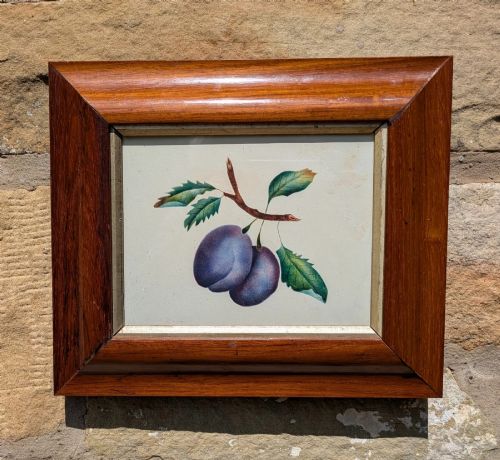
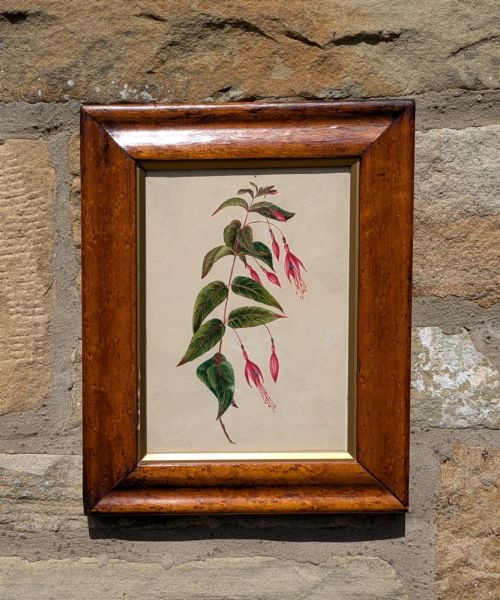
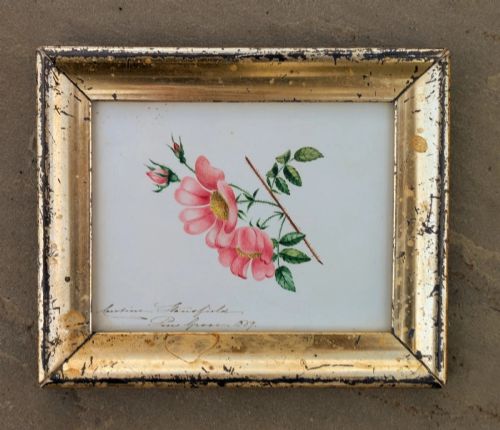
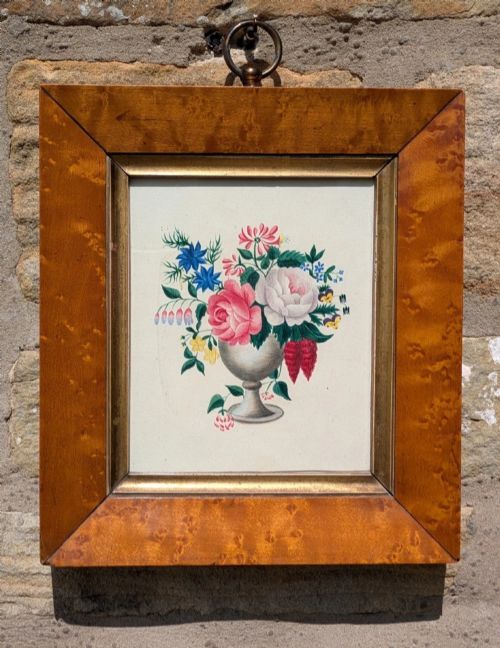


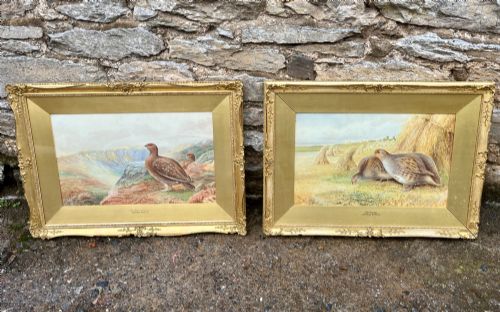
Antique Watercolour Study
An antique watercolour study offers a direct, unmediated window into the observational hand of past artists.

Antique Watercolour Study
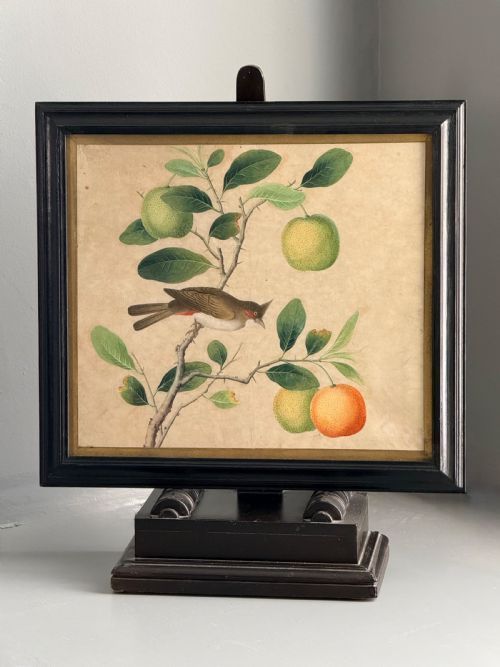
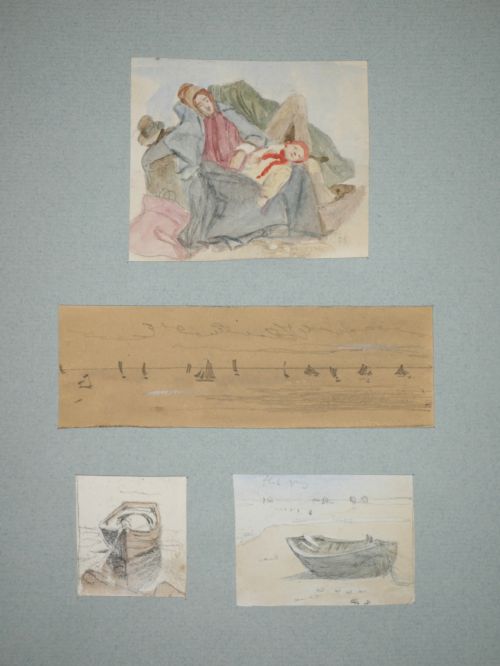
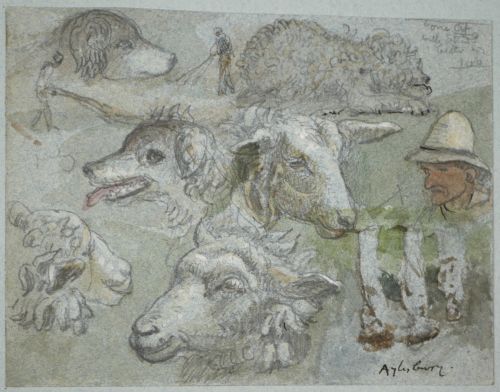
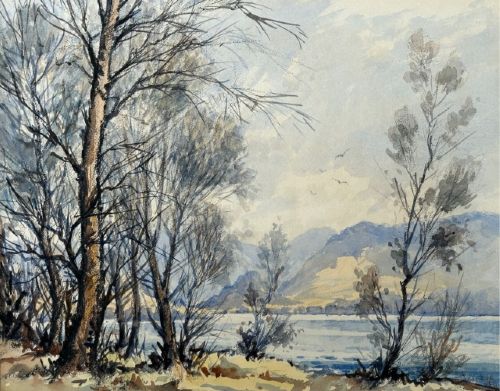
An antique watercolour study represents a focused, preparatory or observational work executed on paper, often capturing specific natural, architectural or figurative subjects. Buyers seek these pieces for their immediacy and the personal insight they provide into the creator's working method before finishing a larger canvas.
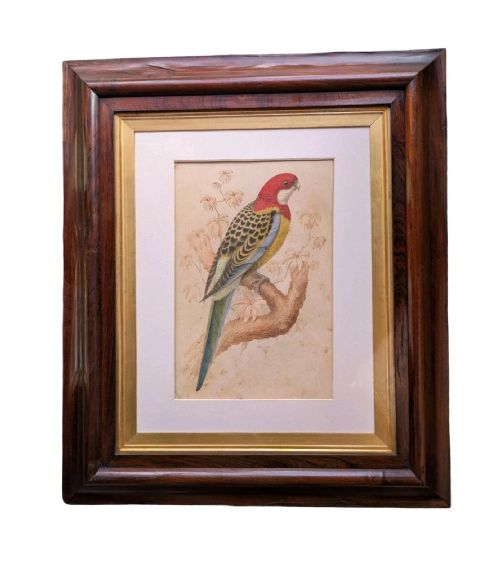
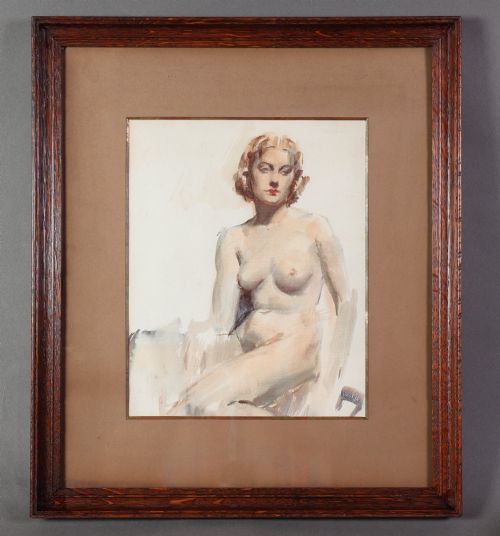
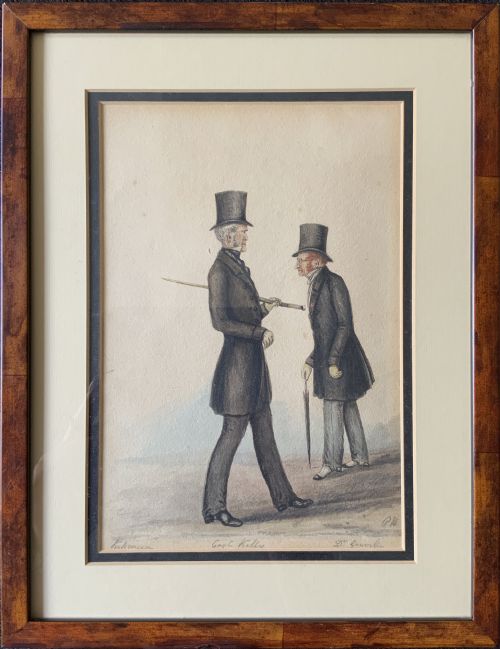
The selections available span multiple periods from the eighteenth century through the mid-twentieth century, with a strong representation of nineteenth-century British and European examples. Common motifs range from botanical and natural history subjects to architectural views, landscapes and character portraits.
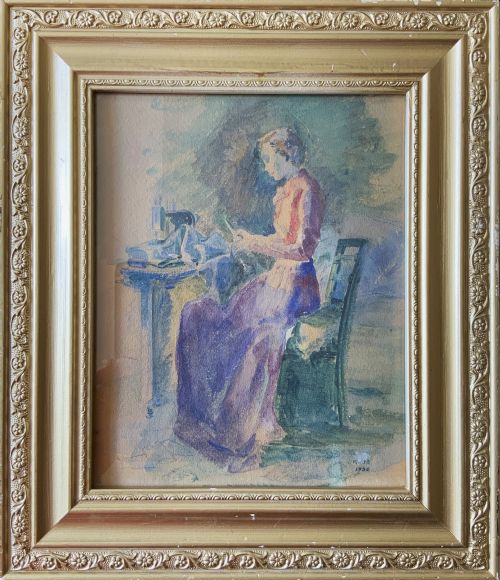
Many of these works function as self-contained finished pieces despite their modest designation as studies, frequently preserved in period frames featuring glass, wood or gilt mounts. They appeal to collectors wanting intimate works that document historical scenes, travels and domestic interiors.
How They Were Made
Artists executed these works primarily with watercolour paint and ink applied to various grades of paper, occasionally incorporating bodycolour or gouache to build opaque highlights and depth. Pencil underdrawings frequently remain visible beneath the washes, revealing the foundational composition laid down directly on the sheet.
Support materials varied according to the period and region, with some eighteenth-century examples utilising pith paper while later works settled on standard heavyweight papers or occasionally silk. Protective framing typically involved wood surrounds, ebonised mouldings and glass glazing to prevent moisture and light damage to the delicate water-soluble pigments.
One unexpected study captures a bustling scene of howling dervishes in Cairo alongside quiet British garden birds.
What Varies in Quality
The strength of the composition and the confidence of the brushwork largely distinguish superior examples from ordinary student exercises. Mastery is evident when an artist achieves luminosity and precise detail with minimal, fluid application of pigment.
Condition and preservation play critical roles in the evaluation of these works on paper. Intact pigments retaining their original vibrancy, minimal foxing and the retention of original period framing contribute significantly to the integrity of the piece.
James Smetham·George Rankin·Michael Healy·Ralston Gudgeon·William Frederick Settle·David Roberts·Harry Bright·William Andrews Nesfield
The Antique Watercolour Study Glossary
- Gouache
- An opaque water-based paint consisting of pigment, water, binding agent and inert white material. It creates heavier, solid colour blocks compared to transparent watercolour.
- Foxing
- Small brownish spots or patches found on antique paper caused by chemical reactions in the pulp. It is a common sign of age in works on paper.
- Pith paper
- A delicate material derived from the pith of the Tetrapanax papyrifer plant used for Asian and export paintings. It yields a velvety surface texture that absorbs watercolour with distinct brilliance.
- Gilt wood
- Wood coated with a thin layer of gold leaf or gilt paint used for traditional picture frames. It adds reflective warmth around the edge of a framed study.
Antique Watercolour Study: Frequently Asked Questions
What is an antique watercolour study?
An antique watercolour study is a painting on paper created as an artist's observation, record or preparatory exercise rather than a mass-produced print. These pieces capture direct sketches of landscapes, botanicals, architecture or figures.
They reflect the spontaneous hand of the maker and offer an intimate glimpse into historical artistic practices from past centuries.
How were these watercolours originally used?
Artists created studies to record natural phenomena, architectural landmarks during travels like the Grand Tour, or botanical specimens in gardens and homes. They served as visual notes or finished exercises kept within personal sketchbooks.
Over time, many of these individual sheets were removed, mounted and framed for display in domestic interiors.
How should I care for a watercolour study?
Watercolour pigments and paper are sensitive to direct sunlight, which can cause fading and discolouration over extended periods. Displaying them away from strong light sources and high humidity preserves the paper and ink.
Retaining or using appropriate glass and mounting materials protects the delicate surface from dust and physical contact.
How can I tell the period of a study?
Dating relies on stylistic clues within the subject matter, costume, architectural details and the type of paper or framing used. Signatures, inscriptions and artist attribution notes on the reverse or front also help place the work in context.
Comparative examples from documented artists provide clear benchmarks for distinguishing Regency, Victorian and later periods.