
Antique Asian Wall Art
These antique asian wall art pieces bring centuries of hand-painted silk, woodblock prints and watercolour into modern interiors.
What antique asian wall art is
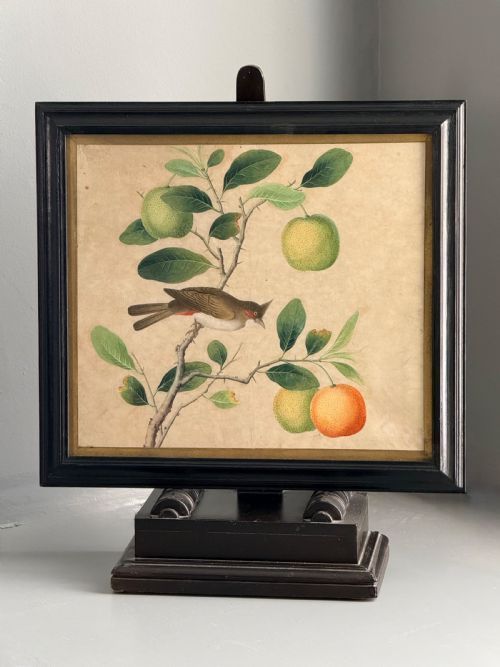
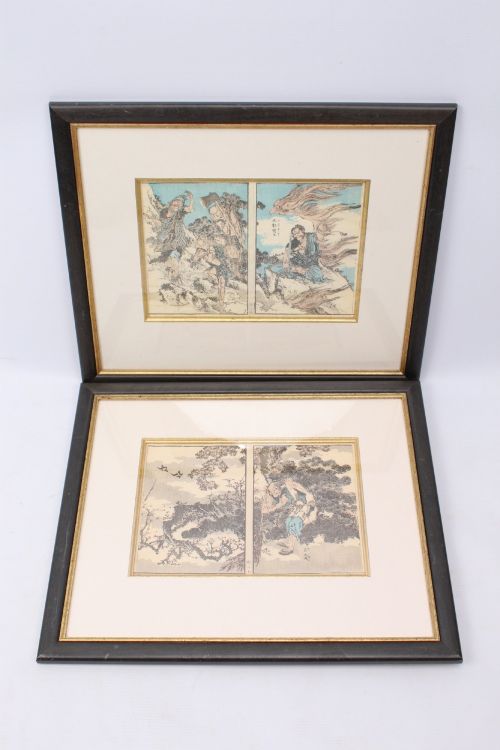
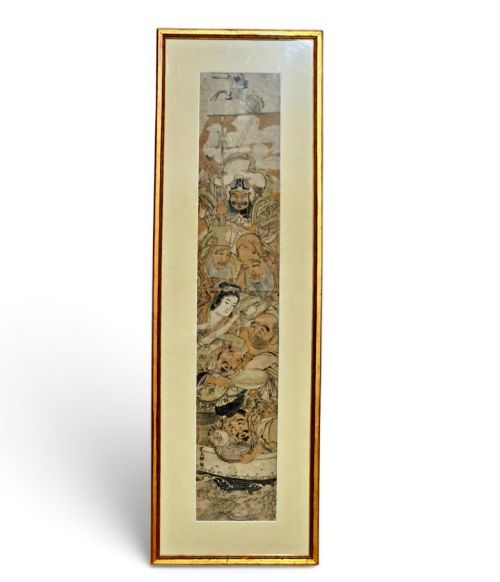
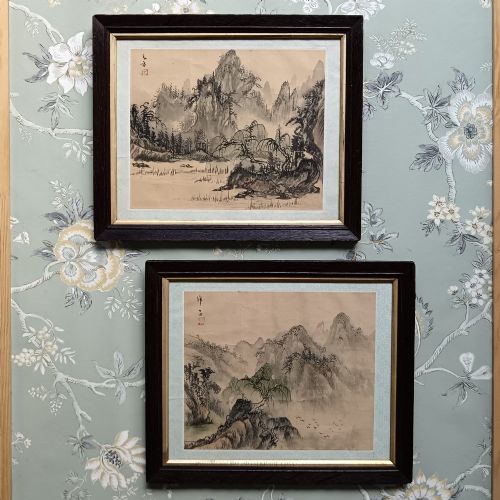
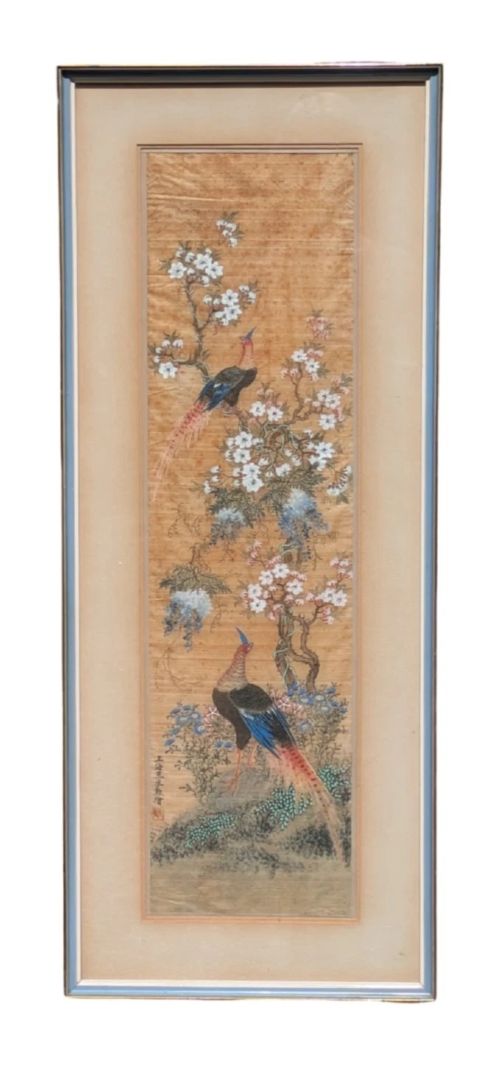
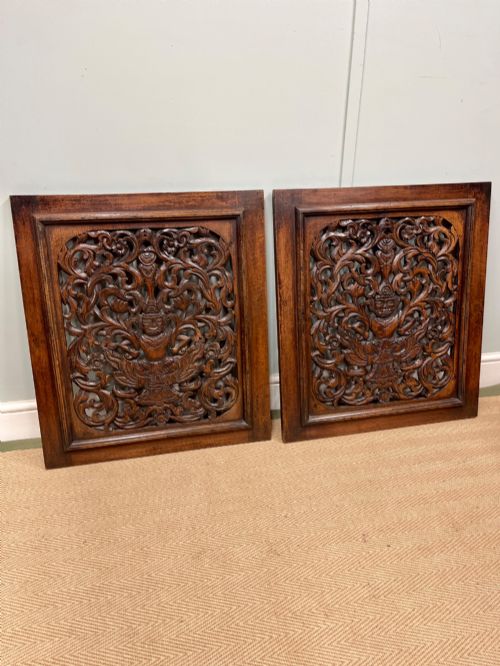
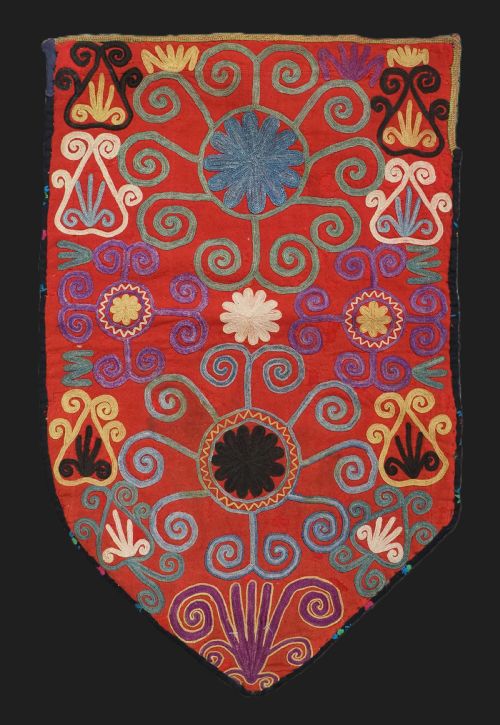
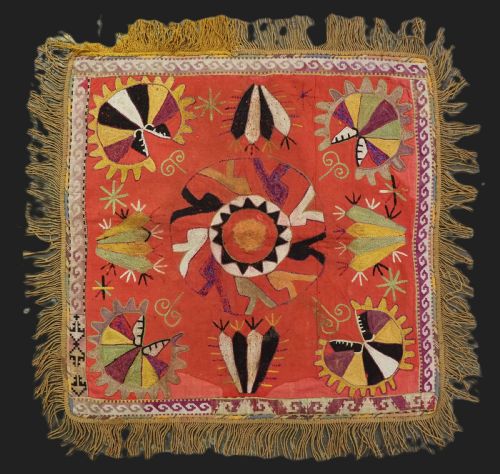
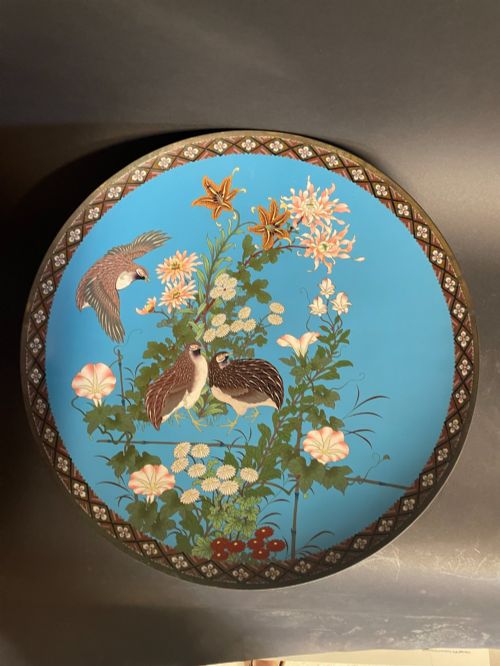
Buyers searching for antique asian wall art encounter framed paintings, woodblock prints and watercolours from the nineteenth century and around nineteen hundred. The selection includes Chinese Qing Dynasty paintings alongside Japanese Meiji and Edo period works.
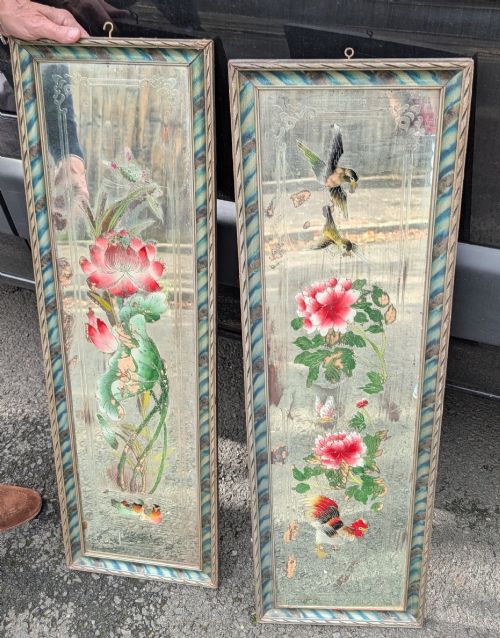
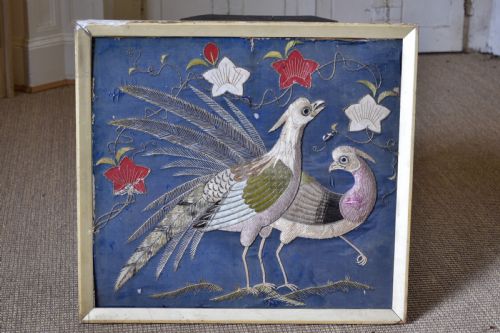
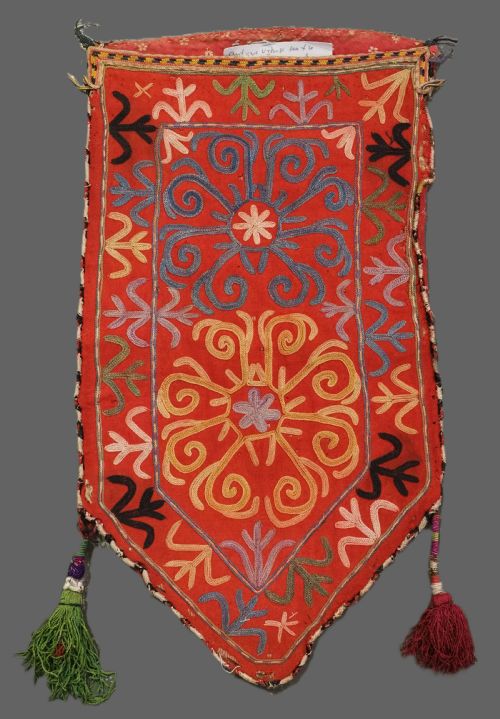
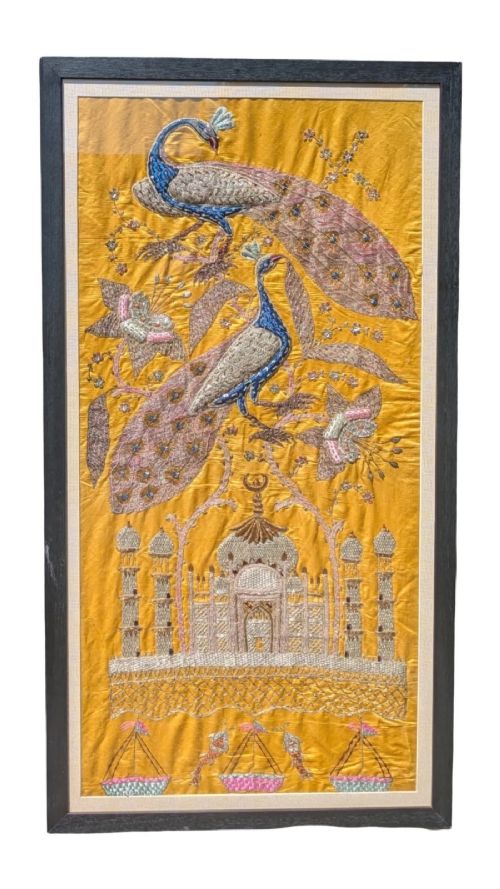
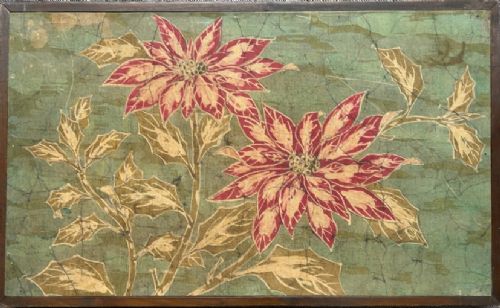
Framed artwork and prints dominate the listings on this page. Pieces range from large Chinese watercolours to delicate paintings on silk and pairs of Japanese woodblock prints.
How they were made
Makers employed skilled printing and painting techniques onto delicate textile and paper bases. Protected beneath glass, these fragile surfaces survive within original or period framing.
Retail Price Guide 2026
Typical UK retail prices for asian wall art, calculated from the Sellingantiques database of over a million retail prices indexed since 2003. This retail price guide relies exclusively on Sellingantiques data; no external sources or auction records are used, so the figures do not describe the wider market.
Listings span the nineteenth century and nineteen hundred, featuring Chinese and Japanese origins executed in silk, paper, ink and watercolour paint.
What varies in quality
Quality separates through the finesse of the brushwork and the preservation of the delicate pigment and ink. Works executed on fine silk or early paper display greater nuance than later or simpler output.
The integrity of the framing and the condition of the glass protecting the paper and silk influence the overall standard. Pairs matching in subject and pigment achieve higher harmony than isolated single sheets.
The Antique Asian Wall Art Glossary
- Woodblock print
- A technique where an image is carved into wood, inked and pressed onto paper. This method enabled multiple impressions during periods such as the Meiji and Edo eras.
- Silk painting
- Artwork created directly onto woven silk fabric using liquid pigments and ink. Silk provides a lustrous background that absorbs colour differently than paper.
- Watercolour paint
- A water-soluble medium used extensively for traditional Chinese and Japanese paintings on paper. It allows translucent washes of colour to build up form and tone.
- Qing Dynasty
- The final imperial dynasty of China, lasting from the seventeenth to the early twentieth century. Pieces from this era often reflect classical imperial painting traditions.
Frequently Asked Questions
How do I hang antique asian wall art?
Keep framed pieces away from direct sunlight to protect fragile silk, paper and pigments from fading. Ensure wall fixings securely support the weight of wood frames and glass.
Maintain stable room humidity to prevent the organic materials like paper and wood from warping or deteriorating over time.
How do I date these artworks?
Examine the materials, framing methods and stylistic markers associated with periods such as the Qing Dynasty or Meiji era. Documentation or inscriptions often provide further chronological context.
Compare the paper texture, ink quality and mounting style with known examples from the nineteenth century or around nineteen hundred.
Are these pieces painted or printed?
Listings include both hand-painted works and printed items. Watercolours and silk paintings involve direct application of pigment by hand.
Woodblock prints utilise carved wooden blocks to transfer ink onto paper. Close inspection reveals brush texture versus printed lines.