
Traditional Chinese Painting
Traditional chinese painting brings centuries of brushwork and ink directly to your walls, offering quiet depth and enduring composure.
What traditional chinese painting is
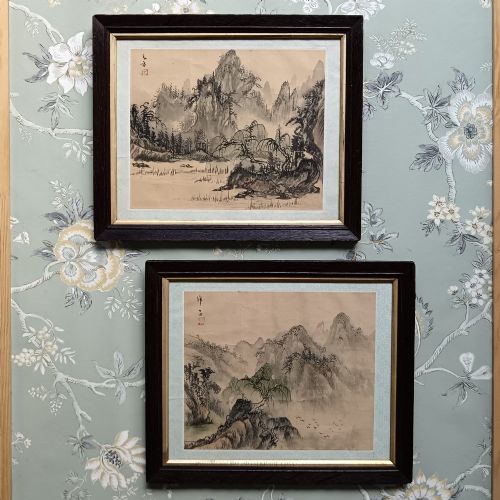
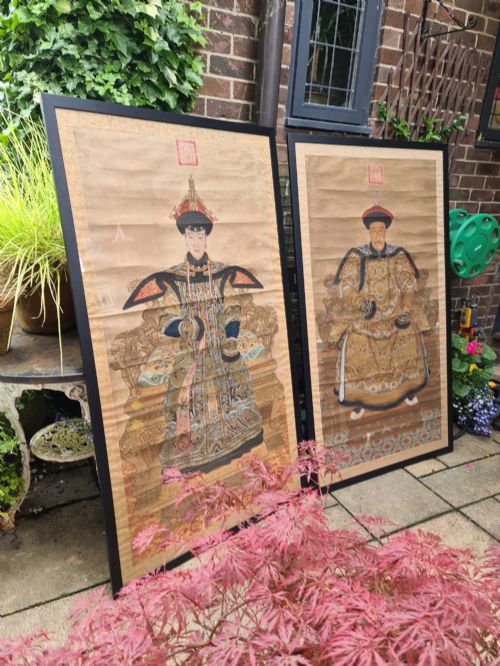
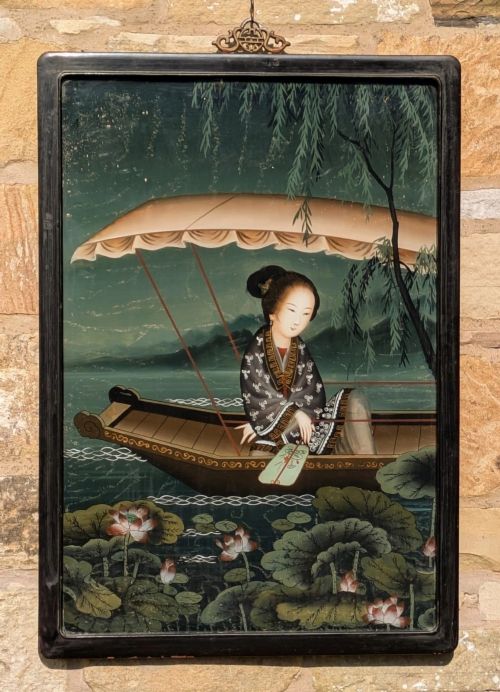
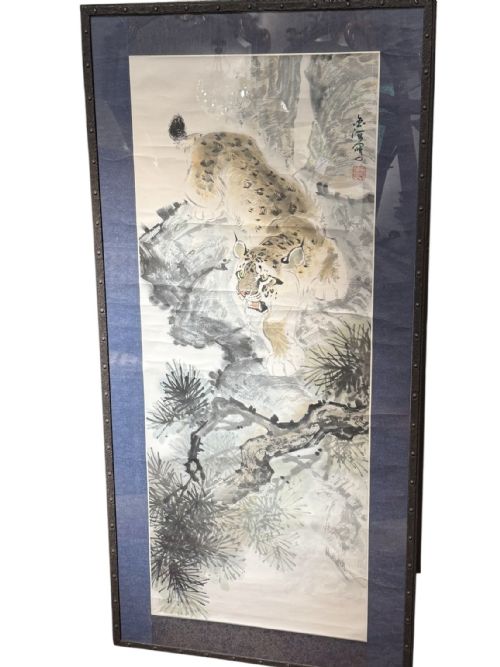
Traditional chinese painting encompasses works executed on delicate surfaces such as paper and silk, capturing subjects from ancestral portraits to natural scenes of birds and plum blossom. Buyers exploring traditional chinese painting encounter works ranging from large early twentieth century watercolours to mid twentieth century album sketches bearing artist seals.
The selections span distinct historical echoes, including Qing dynasty style compositions alongside mid-century Chinese art. These pieces present a balance of traditional iconography and individual artistic expression through stamped signatures and brush techniques.
How traditional chinese painting was made
Makers utilised fluid ink and coloured pigment applied directly to absorbent paper or fine silk grounds. These materials demanded precise brush control, as the pigments set quickly without room for correction.
Finished works frequently received protective mountings within wood frames or were bound into dedicated albums alongside artist seals and stamps.
Retail Price Guide 2026
Typical UK retail prices for traditional chinese painting, calculated from the Sellingantiques database of over a million retail prices indexed since 2003. This retail price guide relies exclusively on Sellingantiques data; no external sources or auction records are used, so the figures do not describe the wider market.
Eight separate sketches bound within a single album provide an intimate glimpse into an artist's working process.
What varies in quality
Distinction across the range lies in the confidence of the brush line and the expressiveness of the ink wash. Superior examples display a spirited vitality in subjects like wild birds and portraits, where every stroke carries deliberate weight.
Material preservation and the clarity of artist seals further elevate individual pieces. Finer works maintain the integrity of their silk or paper grounds alongside distinct, well-preserved stamps.
Ya Ming
The Traditional Chinese Painting Glossary
- Album
- A bound collection of paintings and sketches designed for intimate viewing rather than wall display. These compilations often preserve multiple related studies by a single hand.
- Pigment
- Coloured substance suspended in liquid to impart hue in ink and watercolour works. Traditional formulations interact with paper and silk to create subtle tonal gradations.
- Seal
- A carved stamp applied by the artist or collector to authenticate and mark ownership. Impressions in red ink add a vibrant focal point to the composition.
- Silk
- A woven animal fibre serving as a traditional painting ground. Its smooth texture allows for fine detail work and a luminous background.
Frequently Asked Questions
What subjects appear in these paintings?
The available works feature a variety of traditional subjects, including large ancestral group portraits and detailed studies of phoenixes. Other compositions focus on natural elements such as wild birds paired with plum blossom.
These motifs carry deep cultural resonance, often symbolising longevity, nobility, or familial reverence. Each subject is rendered through established brush conventions passed down across generations.
How were these paintings housed?
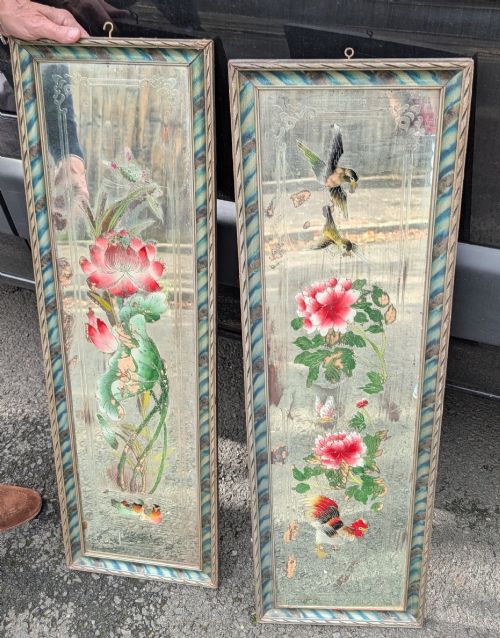
Many pieces are presented within wood frames suited for wall display, while others survive as bound collections of sketches. Albums protect the delicate leaves from light and handling.
Framed watercolours on paper or silk bring the artwork into domestic spaces while offering physical support. The choice of housing often reflects the original format intended by the maker.
How do I identify the period?
Periods are indicated through stylistic markers, materials, and documented dates ranging from the early to mid twentieth century. Pieces may reflect Qing dynasty style revivals or mid-century modernist influences.
Examining the paper quality, framing style, and accompanying artist seals provides further context regarding the decade of creation. Archival signatures help anchor the timeline of specific works.
What is an artist seal?
An artist seal is a carved stamp, usually impressed in red ink, bearing the creator's name or studio mark. It serves as both a signature and a visual balance to the painted composition.
These seals provide crucial evidence for attribution and connect the physical work to a specific maker. Collectors look for clear impressions that match known signatures.