

Antique Oriental Artwork
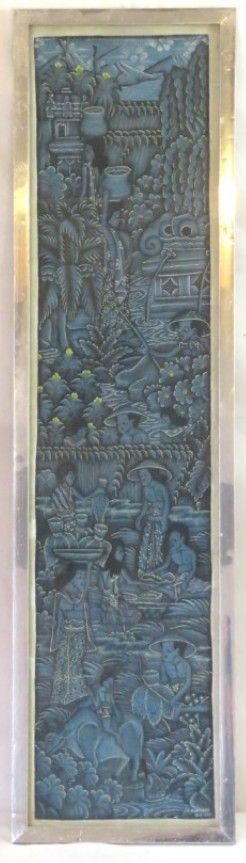
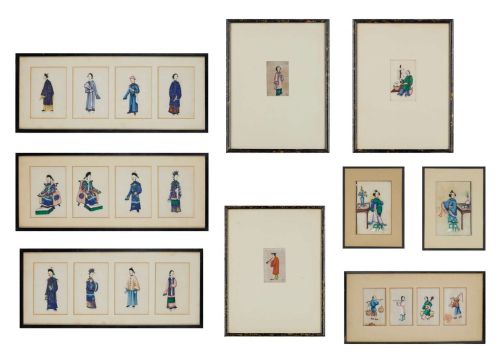
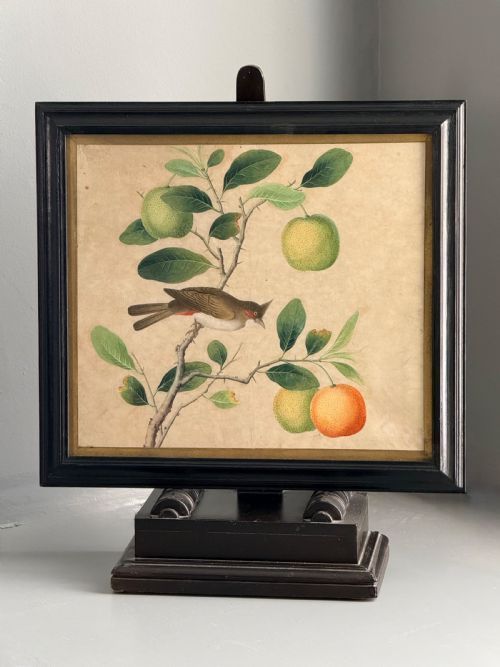
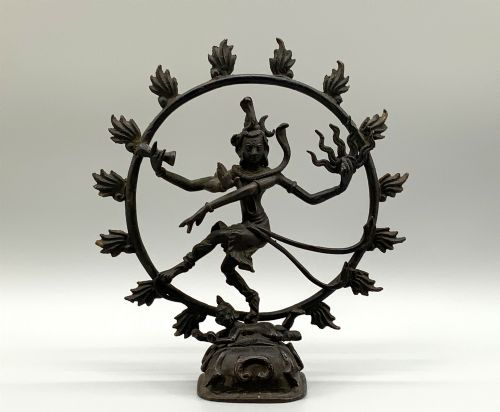
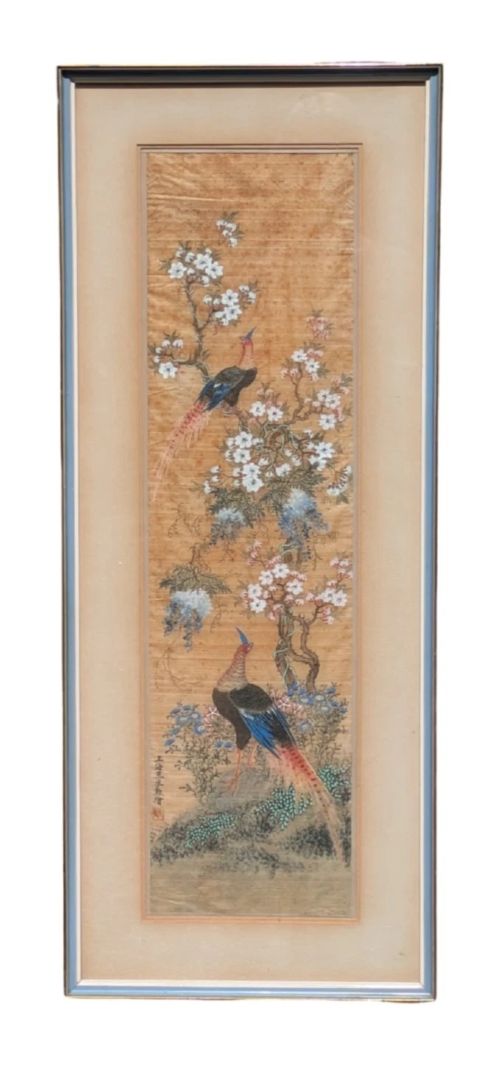
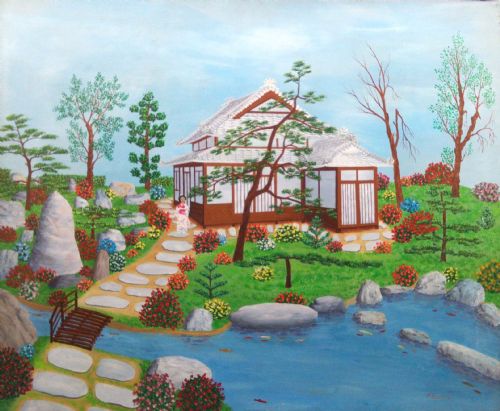
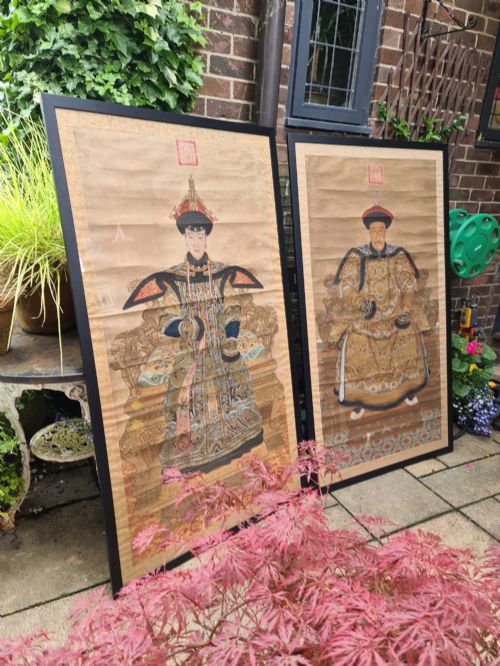
These pieces of antique oriental artwork span delicate pith paintings and bronze sculptures, offering collectors a tangible connection to historical eastern craftsmanship.
Antique Oriental Artwork
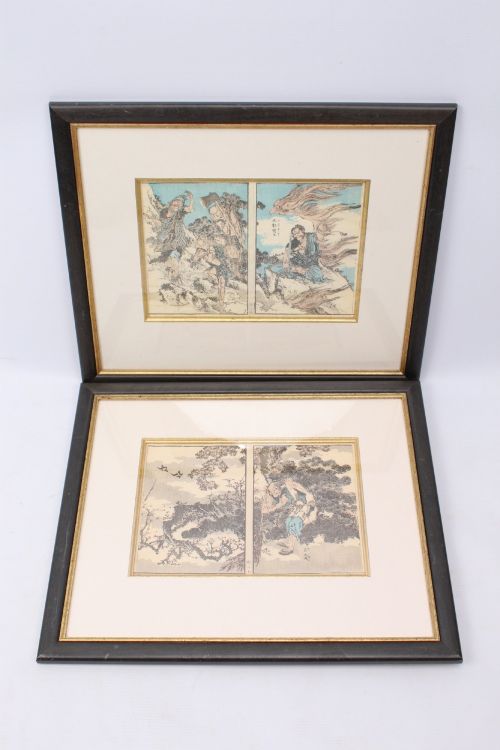
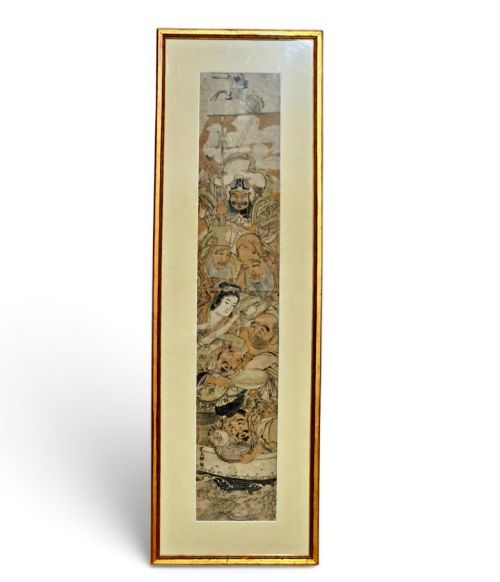
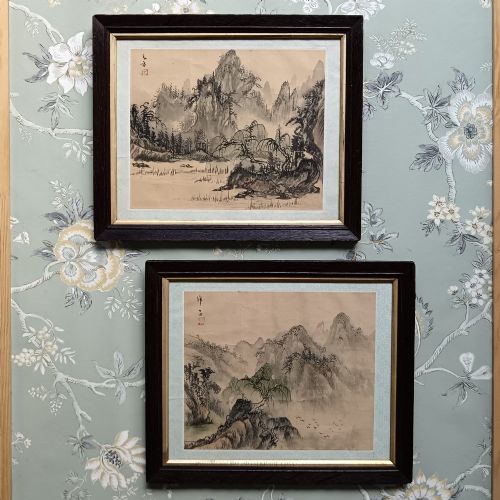
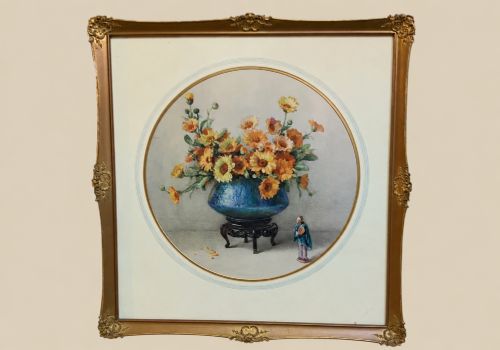
Antique oriental artwork encompasses a broad range of historical objects originating from China, Japan, and India, created primarily during the nineteenth and early twentieth centuries. When searching for this phrase, buyers encounter diverse forms including wall art, framed paintings, woodblock prints, textiles, and carved sculptures.
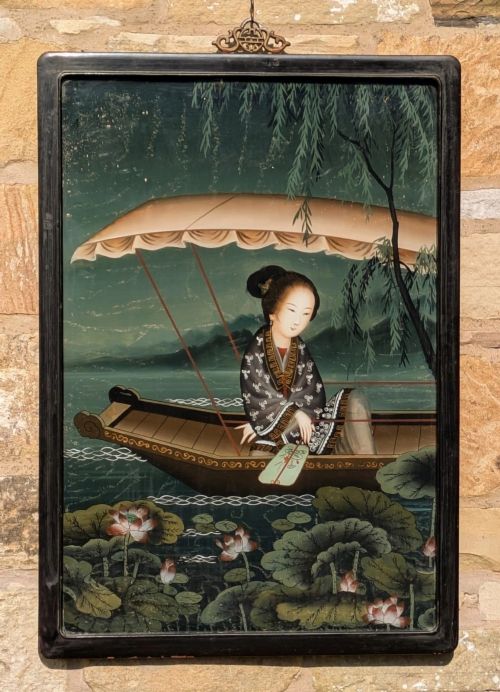
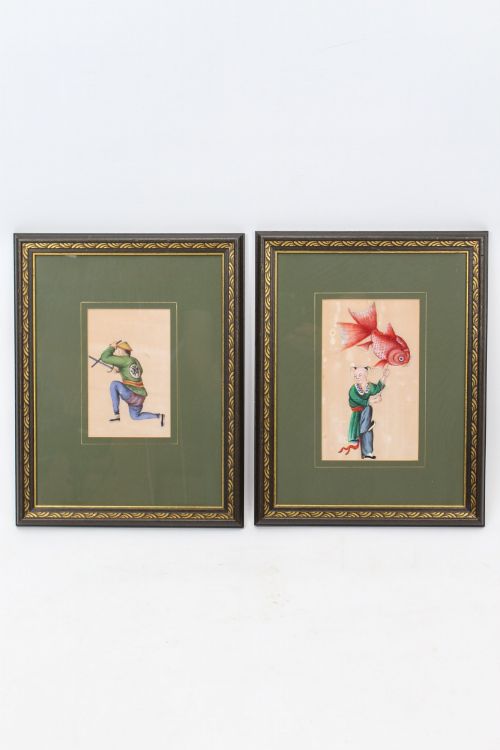
Originating from distinct periods such as the Qing Dynasty, Meiji period, and Mughal era, these items reflect the distinct artistic traditions and export markets of their respective origins. Collectors find works executed on traditional supports like pith paper, silk, wood, and reverse-painted glass.
How they were made
Makers utilised organic and mineral substances such as gouache, ink, and pigment applied to delicate surfaces including silk, paper, and fragile pith. Woodblock printing techniques required carved blocks to transfer multiple layers of colour onto paper sheets.
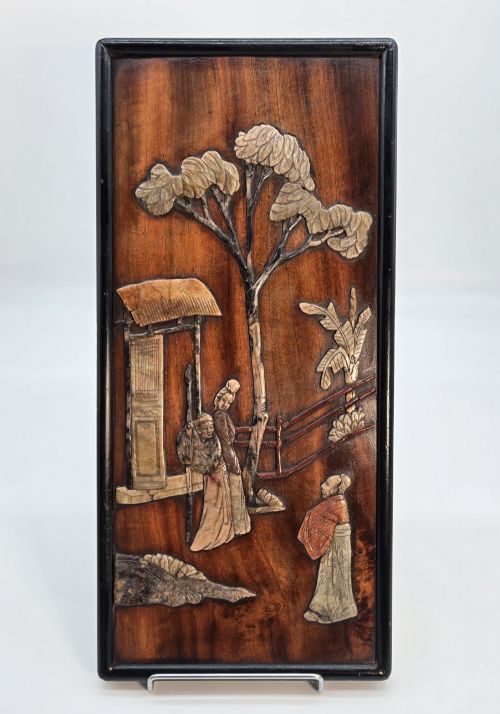
Textile works relied on hand-sewn silk embroidery, joining pictorial threads to depict figures, dragons, and flora under protective glass. Sculptural pieces involved casting bronze, carving jade and soapstone, or shaping polychrome wood for temple and domestic settings.
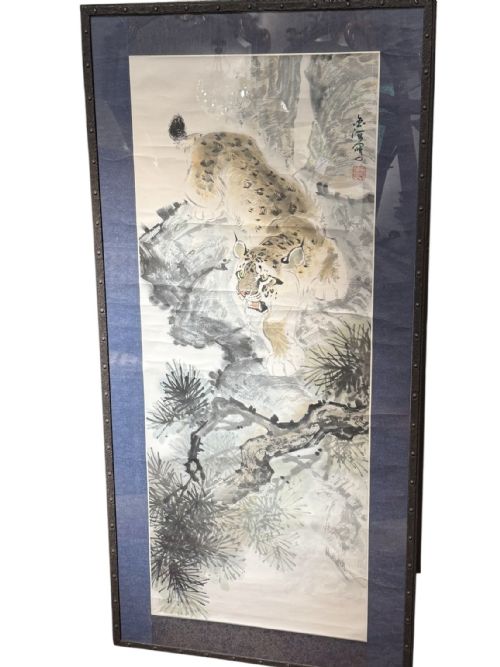
Snow leopards, dragons, and lounging monkeys frequently peer out from the historical scrolls and carvings.
What varies in quality
The nuance in quality relates directly to the precision of the brushwork, the preservation of original pigments, and the integrity of the support material. Works executed with fine detail on silk or intact pith paper demonstrate higher technical capability than coarser decorative items.
Original mountings, such as period frames, ancestral scrolls, and hardwood stands, influence the overall integrity of the piece. The depth of carver execution in jade, bronze, and soapstone similarly separates standard production from superior craftsmanship.
Hokusai·Warwick Goble·Takabatake Kasho·Kunisada
The Antique Oriental Artwork Glossary
- Pith paper
- A delicate material derived from the pith of the Tetrapanax papyrifer plant, commonly used in the nineteenth century for watercolour and gouache paintings.
- Ukiyo-e
- A genre of Japanese art flourishing from the seventeenth through nineteenth centuries, translating to pictures of the floating world and typically produced as woodblock prints.
- Reverse painting on glass
- A technique where the artist paints directly onto the back of a glass panel, creating a finished image viewed through the front.
- Shan Shui
- Traditional Chinese landscape painting style featuring natural scenes such as mountains, rivers, and waterfalls, often executed on silk or paper scrolls.
- Okimono
- A small Japanese decorative carving intended for display in a traditional interior setting, frequently cast in bronze or carved from organic materials.
Antique Oriental Artwork: Frequently Asked Questions
How should I clean antique silk paintings?
Silk supports are extremely fragile and sensitive to moisture, meaning traditional cleaning methods should be avoided entirely. Dusting gently with a soft, dry brush is generally the only safe maintenance.
Professional conservators should handle any deeper restoration or cleaning to prevent irreversible damage to the delicate textile fibres and pigments.
What is pith paper made from?
Pith paper is incorrectly named as it does not originate from pressed wood pulp. Instead, it is cut from the spongy central pith of a specific Asian shrub.
This material absorbs water-based paints like gouache and watercolour readily, producing vibrant colours that have survived from the nineteenth century.
How do I identify a Japanese woodblock print?
Japanese woodblock prints typically show fine lines and subtle colour gradations resulting from multiple carved blocks. Close inspection often reveals the texture of the paper where the block was pressed.
Many period examples feature artist signatures or publisher seals integrated directly into the composition of the image.
Can I hang these artworks in direct sunlight?
Direct sunlight causes significant fading in organic materials such as silk, pith paper, and natural pigments like gouache and ink. Placing these works away from bright windows preserves their original colour intensity.
Using museum-grade UV-filtering glass during framing provides an additional layer of protection against light degradation.