


19th Century Chinese Art
These pieces of 19th century chinese art offer a tangible connection to historical craft through paintings, carvings, and decorative objects.
19th Century Chinese Art
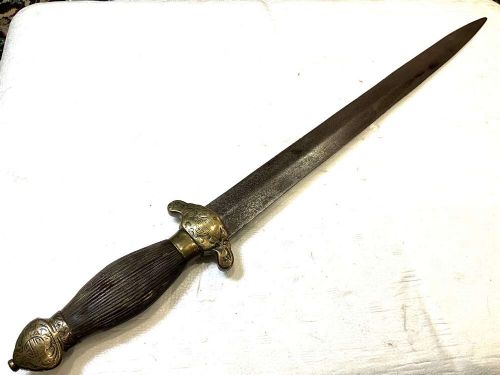
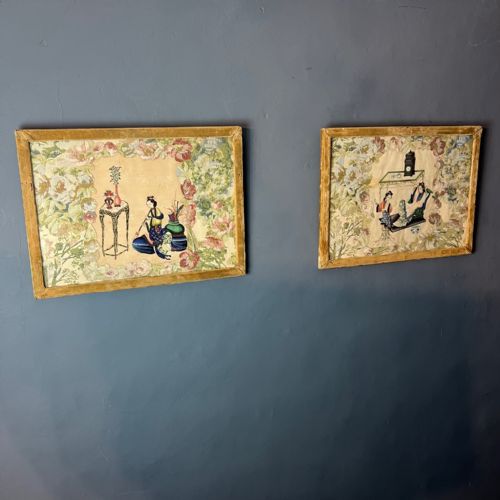
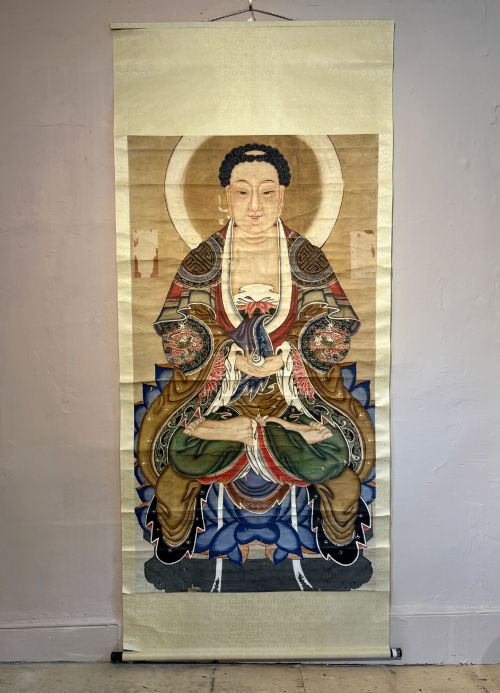
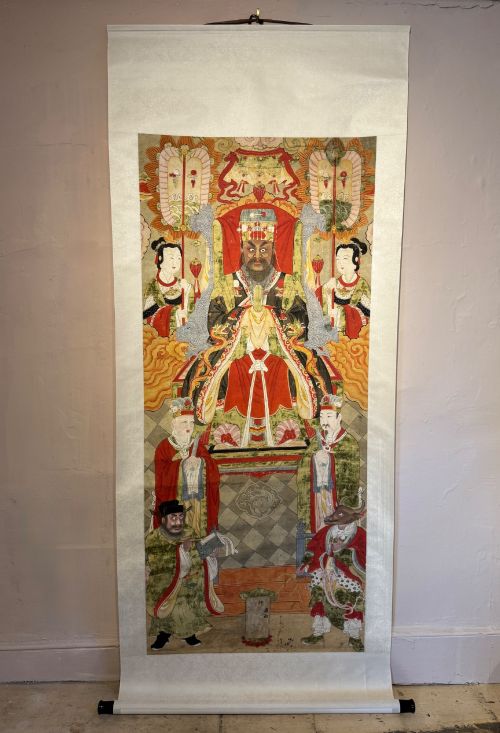
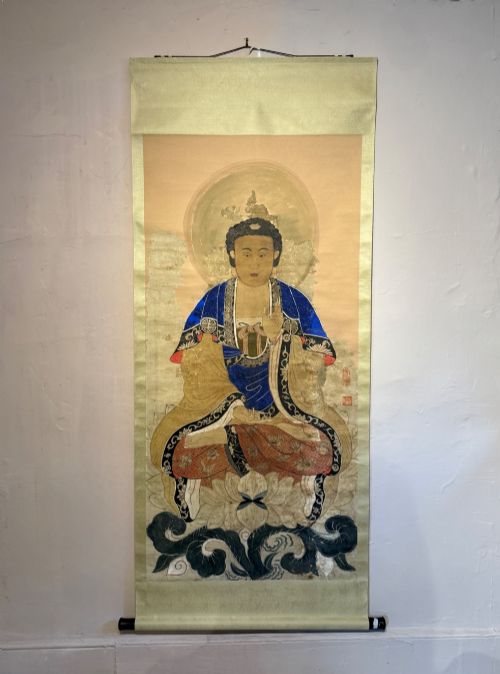
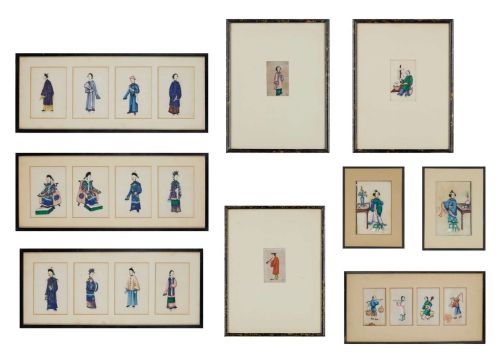
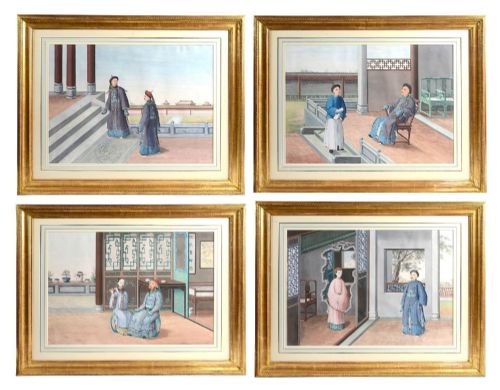
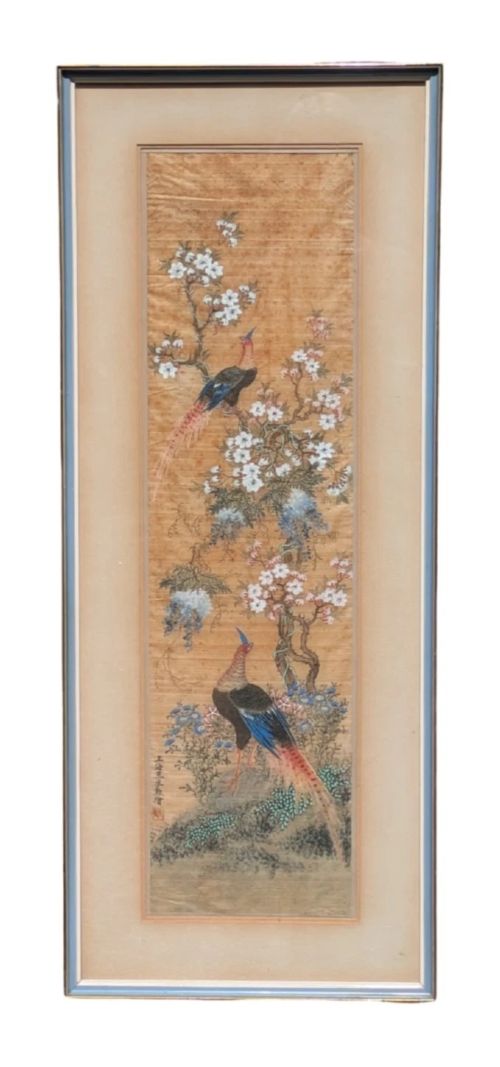
Buyers exploring 19th century chinese art encounter a diverse array of mediums spanning paintings, sculptures, and decorative objects created during the Qing Dynasty and related export periods. The selection frequently includes watercolours on pith paper, ancestor portraits, carved hardwood figures, and intricate snuff bottles.
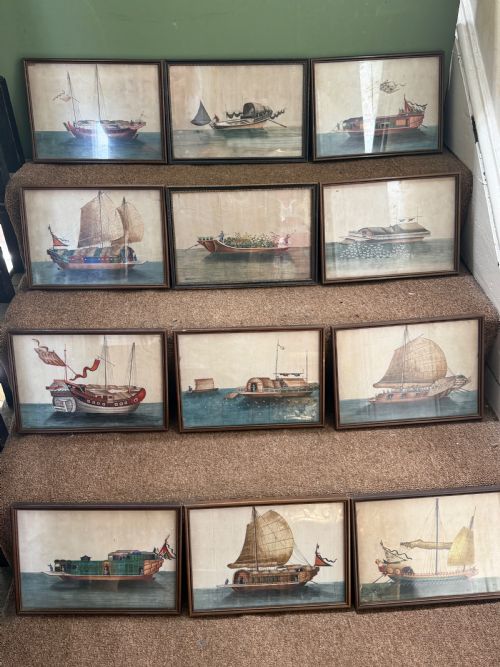
The material record on this page heavily favours organic substances and pigments, with pith paper, silk, wood, and stone appearing alongside cloisonne and porcelain. Works range from small framed paintings of ships and insects to substantial wall hangings, root wood carvings, and cinnabar lacquer vases.
Origins trace across multiple production centres, incorporating traditional domestic pieces alongside items made specifically for the Chinese Export market and Anglo-Chinese commissions. This blend reflects both indigenous scholarly tastes and the artistic exchange occurring during the 1800s.
Materials and Construction
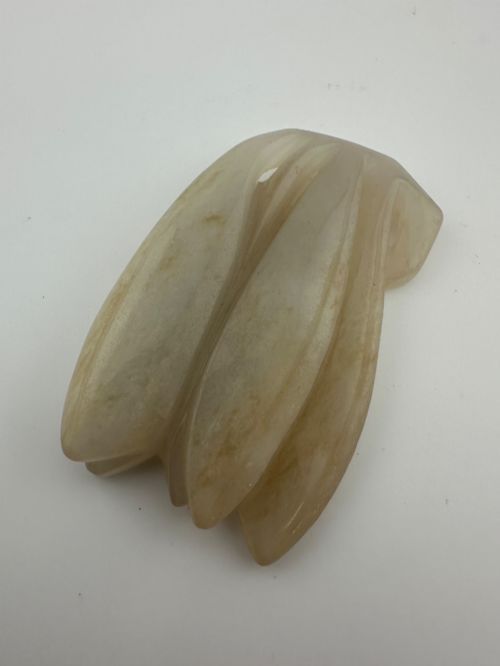
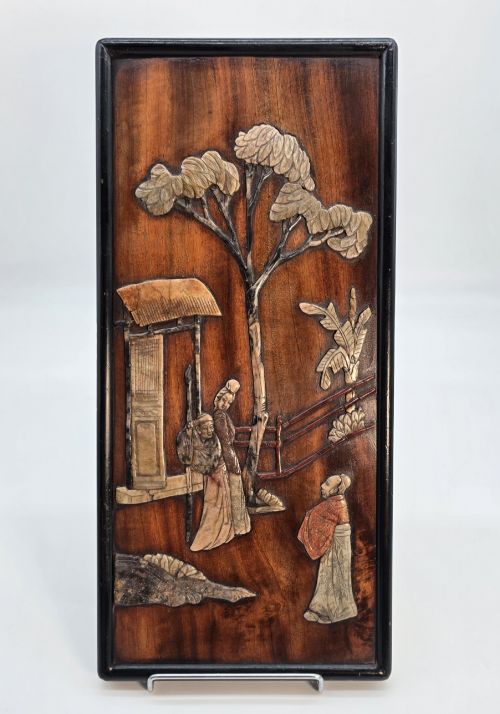
Makers utilised a wide spectrum of natural materials, carving hardwoods, root wood, bamboo, soapstone, jade, and bone into detailed figurative groups and functional objects like opium pipes and trays. Pigments were applied to delicate surfaces including silk, canvas, gouache, and fragile pith paper derived from plant pith.
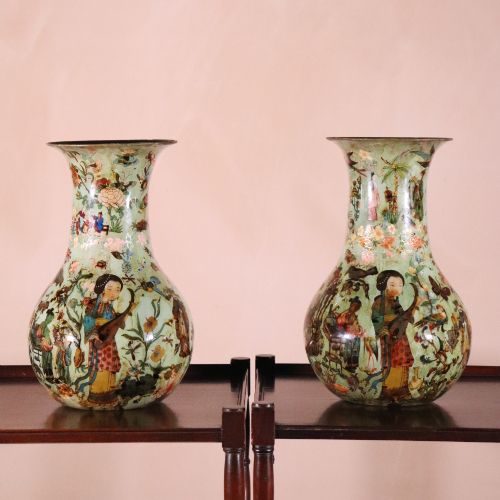
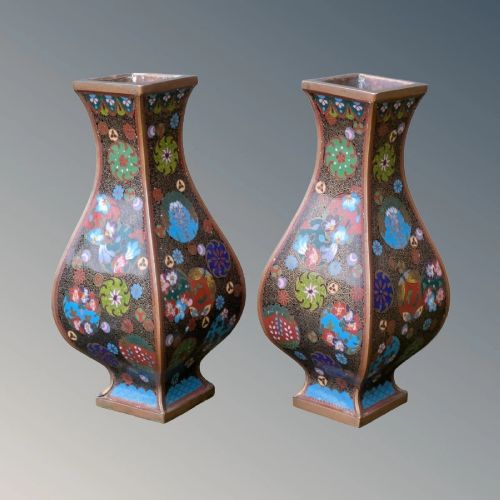
Lacquer work and reverse painting on glass required precise layers and meticulous brushwork executed in reverse, while textiles involved fine silk embroidery mounted on wood. Metalwork such as cloisonne utilised wire enclosures soldered to metal bases to hold coloured enamel pastes before firing.
19th Century Chinese Art Retail Price Guide 2026
Typical asking prices for 19th century chinese art among the pieces listed under this phrase on Sellingantiques today, from the lower quarter to the upper quarter. They describe what is for sale here now, not the wider market.
Listings feature numerous works on pith paper alongside carved root wood, cinnabar lacquer, and reverse painted mirrors from the 1800s.
Distinctions in Quality
Quality rests upon the execution of the carving and the fineness of the brushwork, where confident lines and depth in relief distinguish masterworks from simpler trade pieces. The preservation of delicate organic materials like pith paper and silk also dictates overall desirability.
The complexity of the composition and the choice of materials, such as precious red coral, jade, or rich cinnabar lacquer over simpler woods, separate standard decorative items from finer imperial-style or export productions.
The 19th Century Chinese Art Glossary
- Pith Paper
- A fragile material cut from the pith of the Tetrapanax papyrifer plant, commonly used for watercolours in the 19th century. Paintings on this medium often depict local trades, figures, and insects.
- Cinnabar Lacquer
- Decorative objects formed by applying numerous layers of coloured lacquer onto a base, which is subsequently carved in high relief. The technique produces deep geometric and figurative patterns.
- Ruyi Sceptre
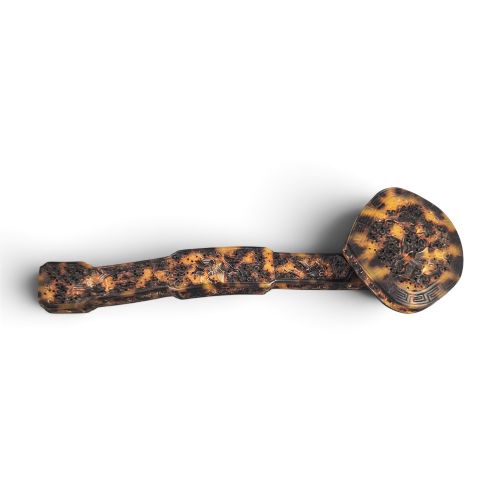
- A curved ceremonial scepter symbolising good fortune and power, traditionally carved from materials like jade, wood, or tortoiseshell. It originates from traditional scholarly and imperial contexts.
- Cloisonne
- An enamel technique where metal wire is soldered to a vase or vessel body to create compartments that are filled with coloured paste and fired. This method yields vibrant decorative surfaces.
19th Century Chinese Art: Frequently Asked Questions
What is pith paper painting?
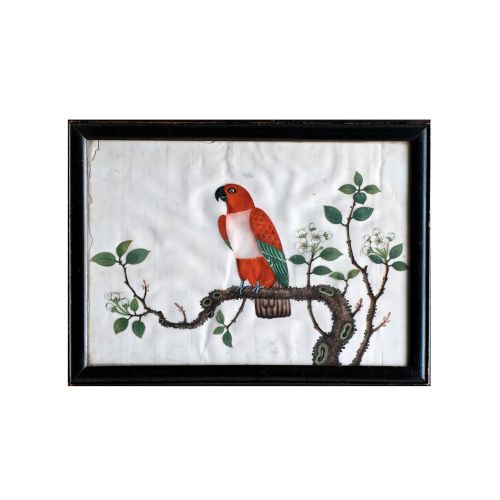
Pith paper paintings are delicate watercolours produced on a porous, plant-based material that possesses a unique velvety texture. They frequently document nineteenth-century trades, flora, and fauna for foreign visitors.
Because the material is fragile, these artworks were typically bound in albums or framed for protection. Surviving examples offer vivid records of daily life and natural history.
How are root wood carvings displayed?
Root wood carvings utilise the natural contours of tree roots and branches to suggest figures, animals, or abstract forms. Collectors typically place them on dedicated wooden stands to showcase their organic shapes.
In historic interiors, these pieces served as objects for quiet contemplation by scholars. They function well on desks or tables where lighting highlights their intricate grain.
What are Chinese export paintings?
Export paintings were created by Chinese artists specifically for Western buyers and merchants during the nineteenth century. Subjects often included local shipping, maritime views, and portraits of British gentlemen.
These works blended traditional Chinese painting techniques with Western compositional perspectives. They provide visual evidence of trade and cultural exchange during the period.
How do I care for lacquerware?
Lacquerware requires stable humidity levels and protection from direct sunlight to prevent the organic resin from drying and cracking. Dusting should be performed gently with a soft, dry cloth.
Avoiding extreme temperature fluctuations preserves the integrity of carved surfaces. Proper placement ensures these decorative items remain stable over time.