



Qing Dynasty Artwork
These pieces of qing dynasty artwork span the eighteenth and nineteenth centuries, offering collectors traditional paintings, textiles, and carved objects.
Qing Dynasty Artwork
When you search for qing dynasty artwork, you encounter a diverse selection of wall art, framed paintings, and textile works created across the eighteenth and nineteenth centuries.
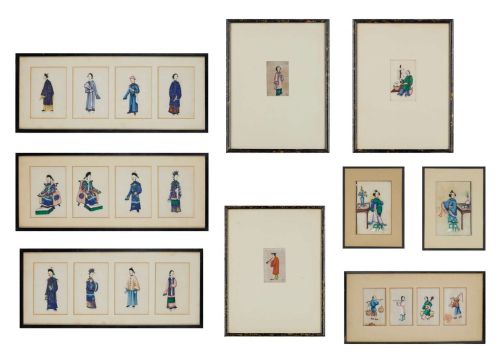
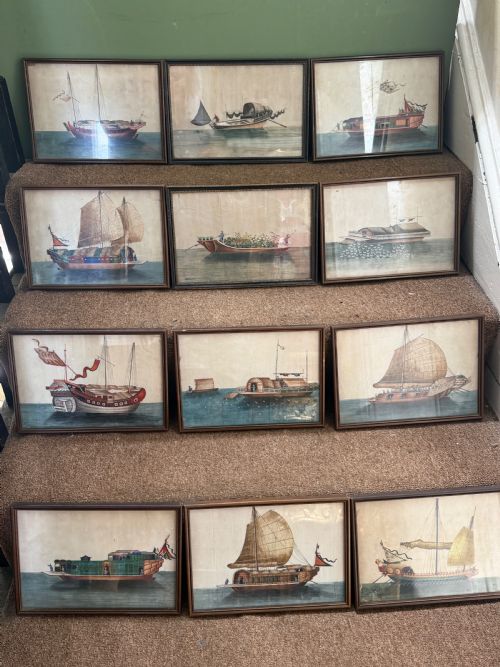
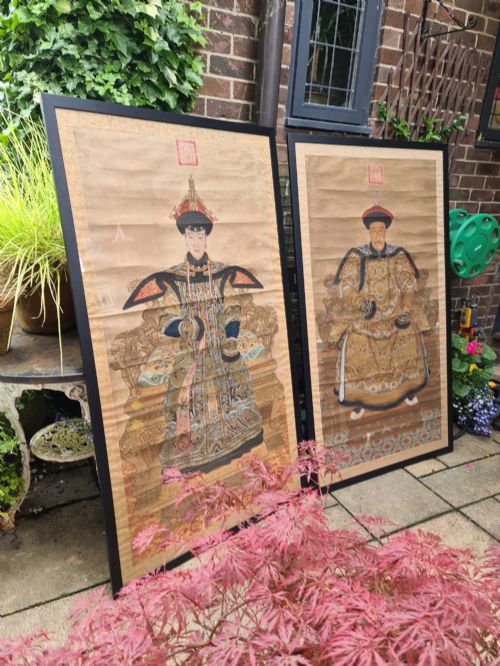
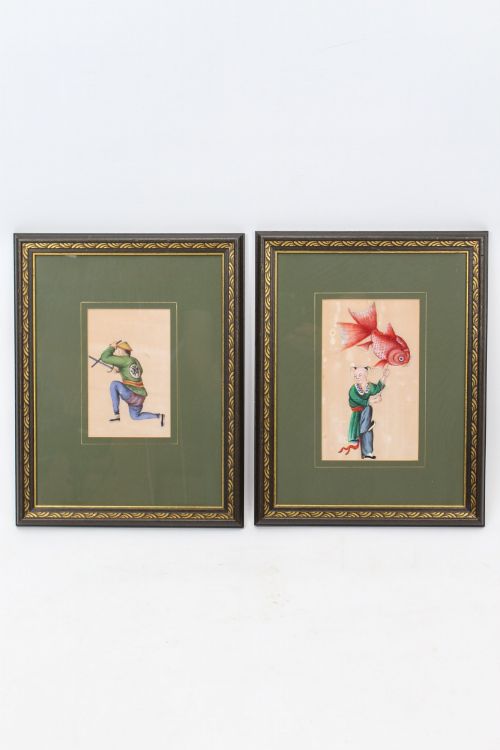
The objects on this page range from framed pith paper paintings depicting figural scenes and junks to large ancestral scrolls and hand-sewn silk embroidery panels.
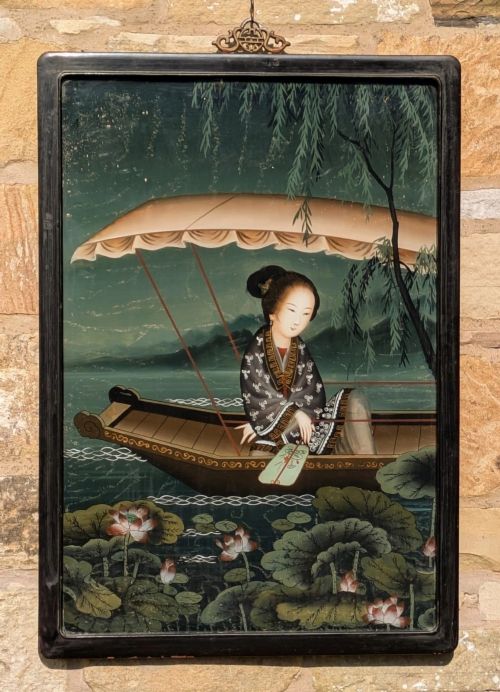
Buyers also find carved jade mountain landscape sculptures, soapstone animal groups, reverse paintings on glass, and cloisonne vases reflecting traditional Chinese craftsmanship.
How They Were Made
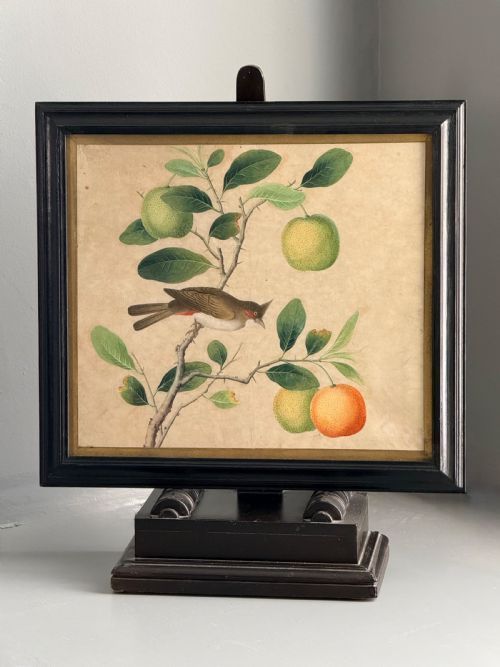
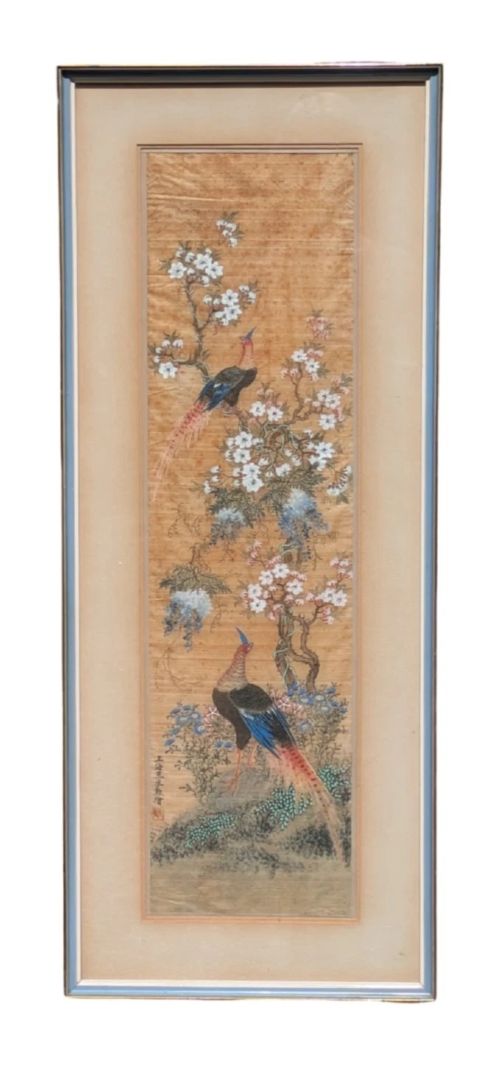
Artisans utilised delicate organic materials such as pith paper, silk, and paper, applying pigments and gouache to render detailed figurative and landscape subjects.
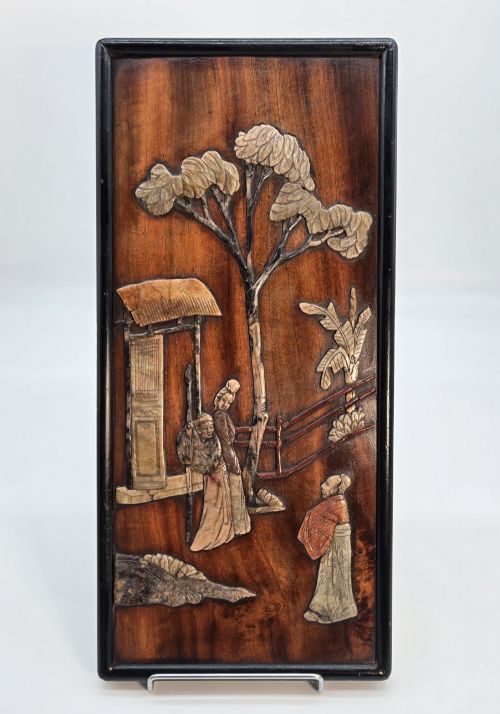
Sculptural and decorative items combine carved hardstone, jade, coral, soapstone, and wood, often paired with dedicated hardwood stands or brass elements.
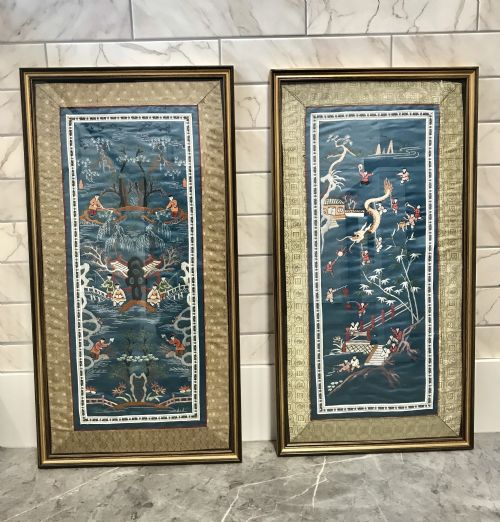
Textile works rely on hand-sewn and woven techniques using silk threads to depict figures, dragons, trees, flowers, and mandarin ducks under glass protection.
Several listings include charming depictions of mandarin ducks and butterflies alongside human figures and temple guardians.
What Varies In Quality
The finesse of the brushwork in gouache and watercolour paintings separates standard decorative trade pieces from finer artist-rendered compositions.
In carved objects, the depth of relief, clarity of stone detail, and integrity of the original wood or metal stands determine the grade of the piece.
Textile quality depends on the complexity of the silk embroidery stitchwork and the preservation of vibrant pigments within the fabric panels.
The Qing Dynasty Artwork Glossary
- Pith paper
- A delicate material made from the pith of the Tetrapanax papyrifer plant, commonly used for nineteenth-century Chinese watercolor painting. Artists valued its spongy surface for absorbing bright gouache pigments.
- Reverse painting on glass
- A technique where artists paint directly on the rear side of a glass sheet so the image is viewed through the front. This method creates a glossy, reflective finish.
- Ancestral scroll
- A vertical hanging scroll depicting family forebears, traditionally used in memorial rituals. These pieces often feature formal portraits executed on silk or paper.
- Cloisonne
- An enamelling technique where metal wire forms raised barriers on a metal base to hold coloured paste before firing. The resulting surface displays intricate patterns of coloured cells.
- Coromandel work
- A form of Chinese incised lacquer where carved designs on wood panels receive coloured pigments. It appears on screens and decorative plaques.
Qing Dynasty Artwork: Frequently Asked Questions
How were pith paper paintings used?
Pith paper paintings were created primarily for the export market during the nineteenth century. Western visitors collected these detailed depictions of local trades, flora, and fauna to pack into albums.
Today, these delicate works require framing under glass to protect the fragile plant-based paper from moisture and physical handling.
What is a reverse glass painting?
Reverse glass painting involves applying paint directly to the back of a glass panel so the finished image appears correctly from the front. This technique produces a distinct reflective sheen.
Collectors hang these pieces on interior walls away from direct sunlight to preserve the vibrant pigments visible through the glass.
How do I care for antique silk panels?
Antique silk embroidered panels need protection from direct sunlight and high humidity to prevent the fabric from weakening and the threads from fading. Keeping them behind glass prevents dust accumulation.
Display these textiles in climate-controlled rooms with stable temperatures to maintain the condition of the hand-sewn fibres.
How are ancestral scrolls displayed?
Ancestral scrolls are designed to hang vertically on walls as central decorative or commemorative pieces. Their substantial size makes them suitable for prominent living spaces.
Ensure they hang securely away from heating vents or damp walls to protect the traditional paper and silk mountings.