
Antique Botanical Pictures
These antique botanical pictures bring natural studies and floral scenes into rooms through period watercolours, oils and prints.
Antique Botanical Pictures
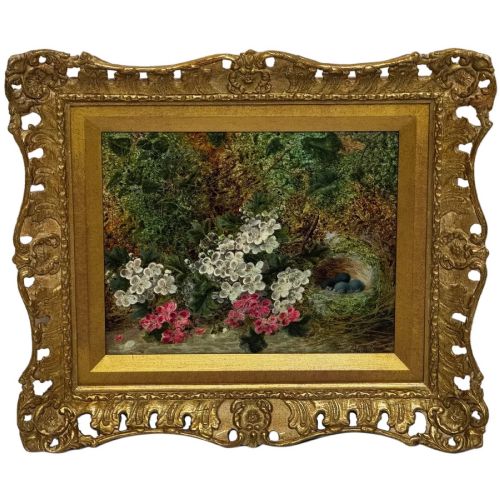
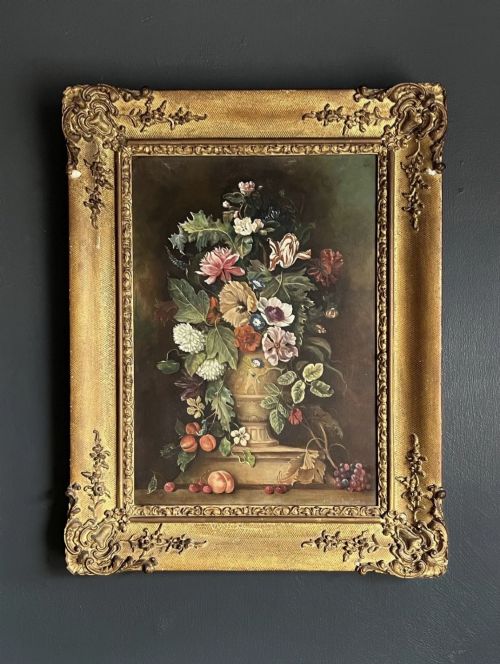
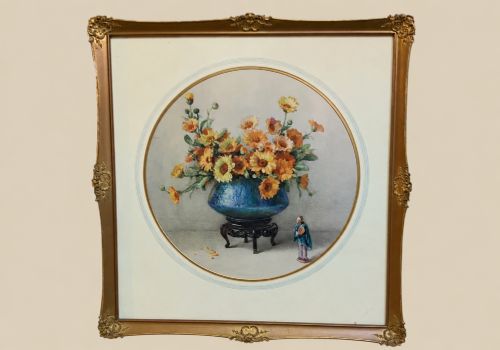
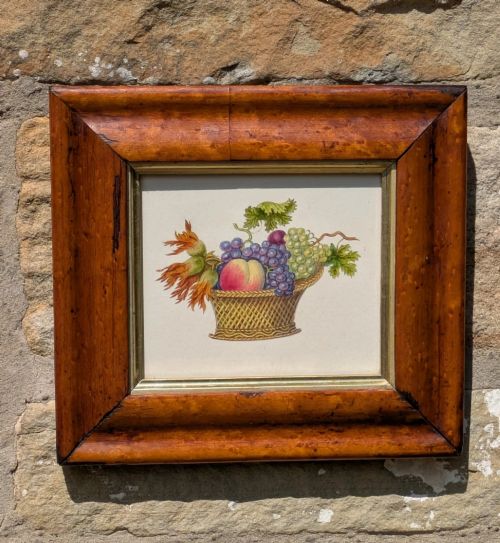
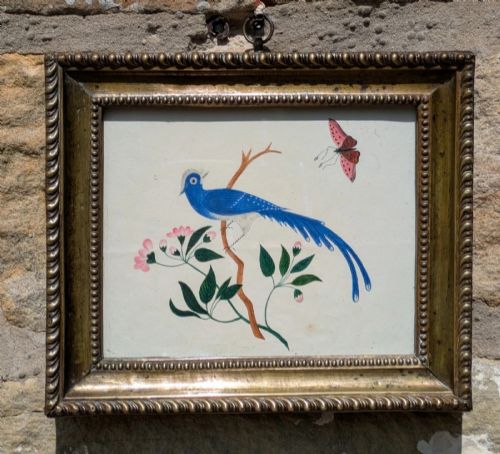
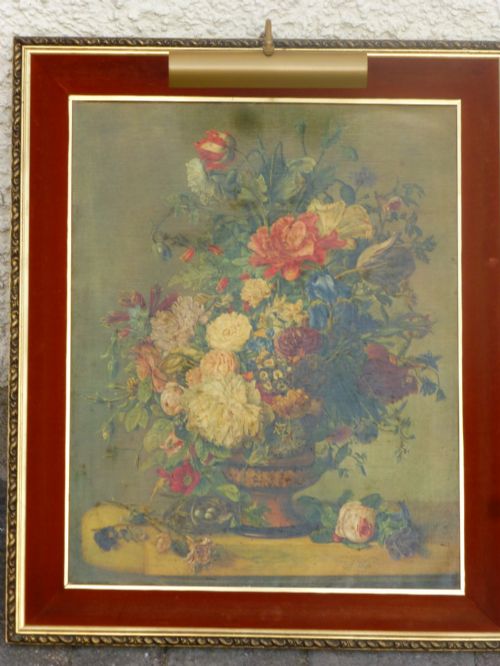
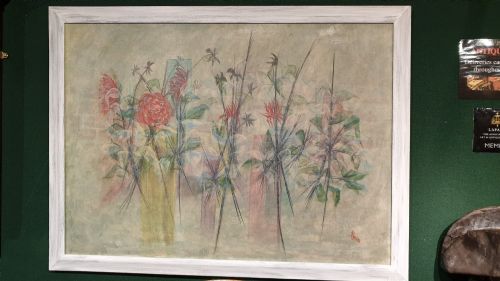
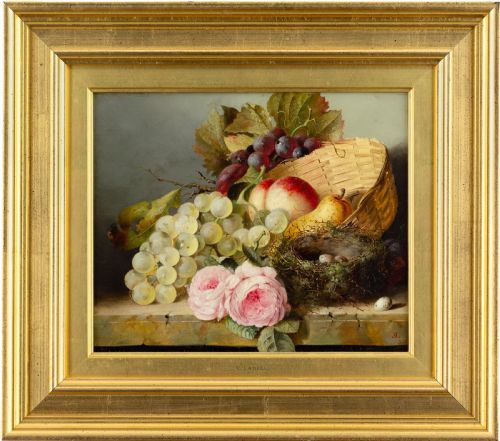
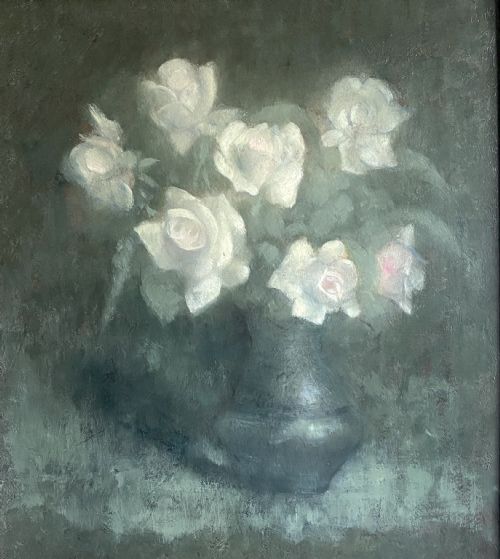
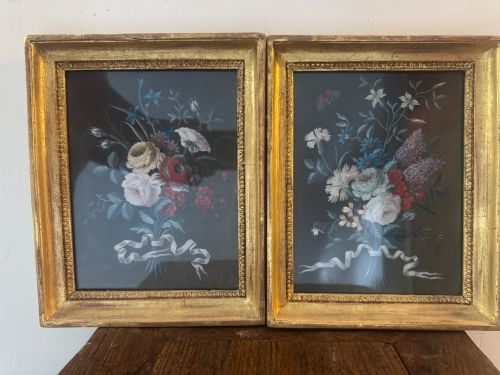
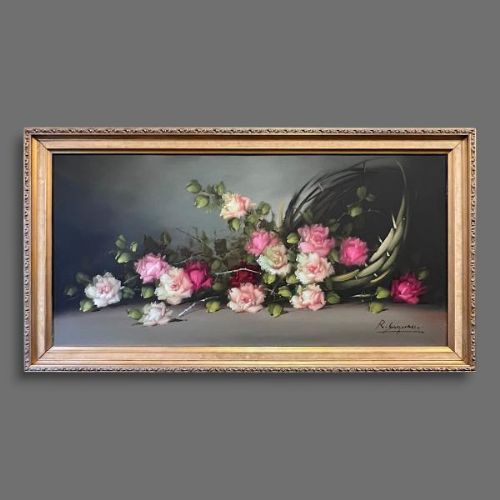
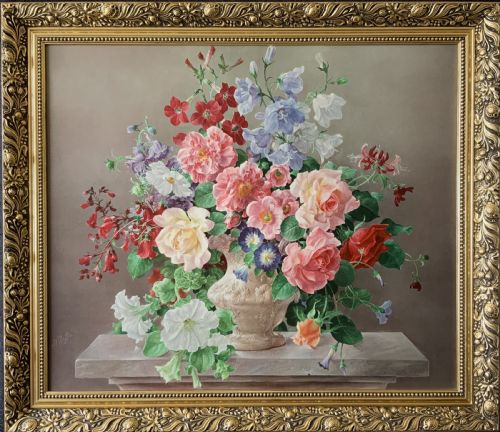
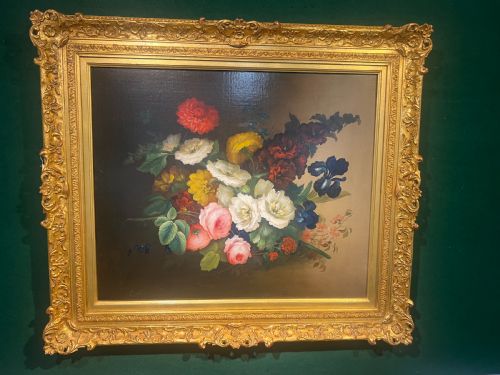
When you search for antique botanical pictures, you encounter framed watercolours, oil paintings, gouache studies and coloured lithographs depicting flowers, fruit and garden birds. These works span the eighteenth, nineteenth and early twentieth centuries, reflecting the era's fascination with natural history and garden cultivation.
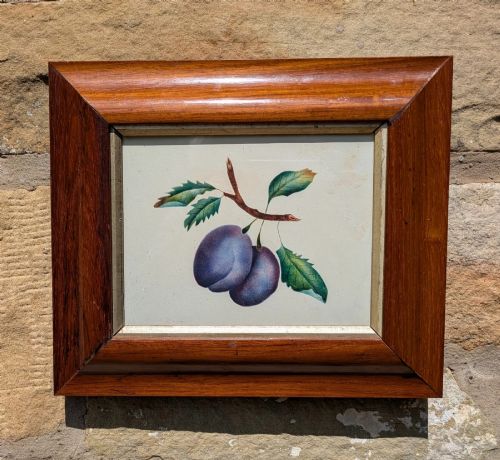
The most common examples on this page are nineteenth-century watercolours and oils on canvas or board, frequently housed in period frames of rosewood, gilt gesso or carved pine. Subjects range from singular plum studies and garden roses in baskets to extensive sets of English botanical watercolours.
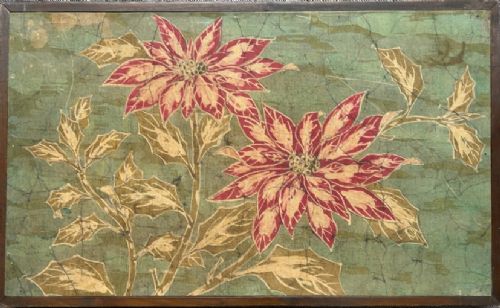
Beyond standard paper works, the selection includes needlework pictures of strawberries and embroidered panels of birds, demonstrating how botanical and natural themes crossed between painting and textile art.
Materials and Technique
Makers utilised paper, canvas, card and wood panels as grounds, applying watercolour, gouache, oil paint or pastel depending on the desired finish and period convention. Lithographs employed coloured print techniques on paper to disseminate natural history subjects efficiently.
Framing forms an integral part of the medium, with pieces set into gilt wood, gesso, rosewood, carved pine and pewter frames. Protective glazing with glass frequently preserves watercolours and works on paper from atmospheric damage.
Listings feature works executed in oil, watercolour, gouache, pastel, and embroidery across the 18th, 19th, and early 20th centuries.
Distinctions in Quality
The distinction between standard decorative pieces and finer works lies in the precision of the draughtsmanship and the handling of pigment, particularly in the rendering of botanical detail and natural light. Accomplished artists captured the precise anatomy of petals, plumage and fruit rather than relying on generalised formulae.
Original period framing contributes significantly to the integrity of a piece, with period gilt gesso, rosewood or carved pine surrounds enhancing the visual weight and historical context of the artwork.
Oliver Clare·Edward Ladell·Edwin Steele·D Hardy·Catherine Thomas·Harry Wanless·William Duffield·Vincent Clare·Lilian Stannard·William Hough·Eloise Harriet Stannard
The Antique Botanical Pictures Glossary
- Gouache
- An opaque water-based paint that dries to a matte finish, often combined with watercolour in botanical studies to build dense blocks of colour.
- Lithograph
- A print produced by drawing an image on limestone or metal plate with a greasy medium, allowing multiple coloured impressions on paper.
- Gesso
- A plaster-like mixture applied to wooden frames before gilding or painting, providing a smooth base for intricate carved detail.
- Needlework
- Stitched textile art employing threads on canvas or linen to depict botanical and animal subjects.
- Impressionist
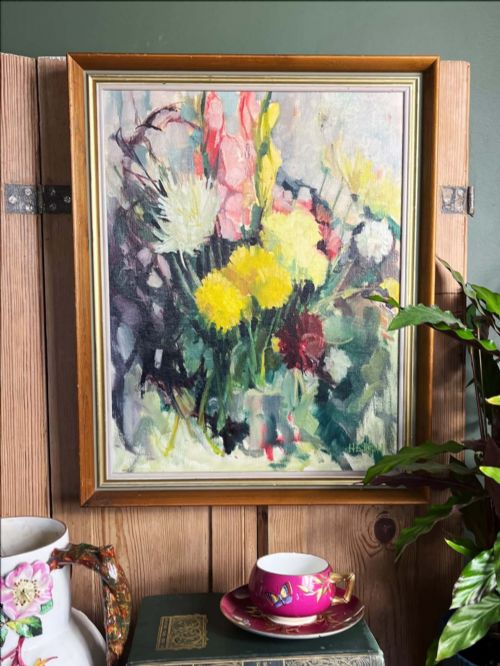
- A style focusing on loose brushwork and the play of natural light, seen in later nineteenth and early twentieth-century garden paintings.
Antique Botanical Pictures: Frequently Asked Questions
How do I date an antique botanical painting?
Dating relies on stylistic markers, framing conventions, and the types of paper or canvas utilised across different centuries. Nineteenth-century works often show distinct watercolour techniques compared to earlier eighteenth-century compositions.
Examining the reverse of the panel or frame can also reveal period inscriptions or maker marks that narrow down the decade of production.
Are these works original or printed reproductions?
The selection includes both hand-painted works, such as watercolours and oil paintings, and period printed items like coloured lithographs. Close inspection under magnification reveals the brushstrokes of a painting versus the dot or line patterns of early print methods.
Every listing specifies whether the piece is an original watercolour, oil, gouache or a period lithograph.
How should I frame and display these pieces?
Many items retain their original period frames, such as rosewood, gilt gesso, or carved pine, which complement the era of the artwork. When displaying watercolours and works on paper, position them away from direct sunlight to prevent the fading of delicate pigments.
Maintaining stable indoor humidity protects both the paper supports and the wooden or gesso frames from warping.
What subjects are most common in these pictures?
Floral still lifes, botanical studies of roses, plums and gladioli, and natural history depictions of garden birds dominate the imagery. These subjects reflect the historical popularity of horticulture and natural science illustration among collectors.
Variations range from single botanical specimens to complex arrangements of fruit in baskets and garden landscape scenes.