


Chinese Floral Painting
Chinese floral painting encompasses delicate silk watercolours and vibrant porcelain enamels that bring centuries of botanical artistry into interior spaces.
Chinese Floral Painting
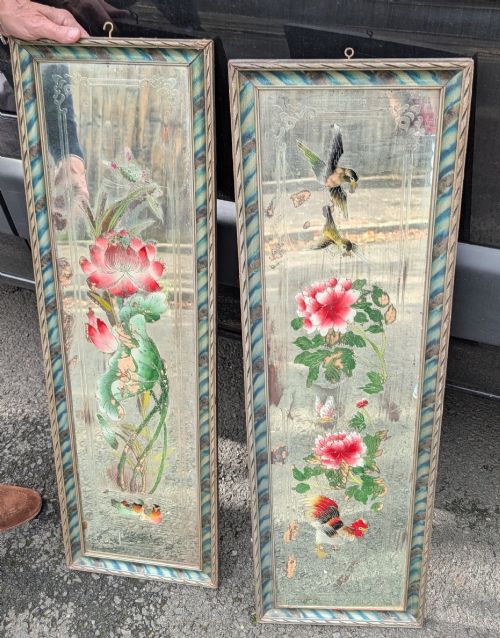
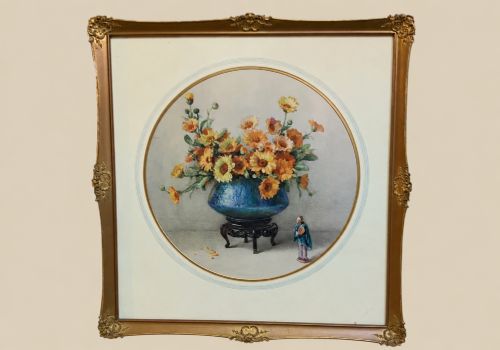
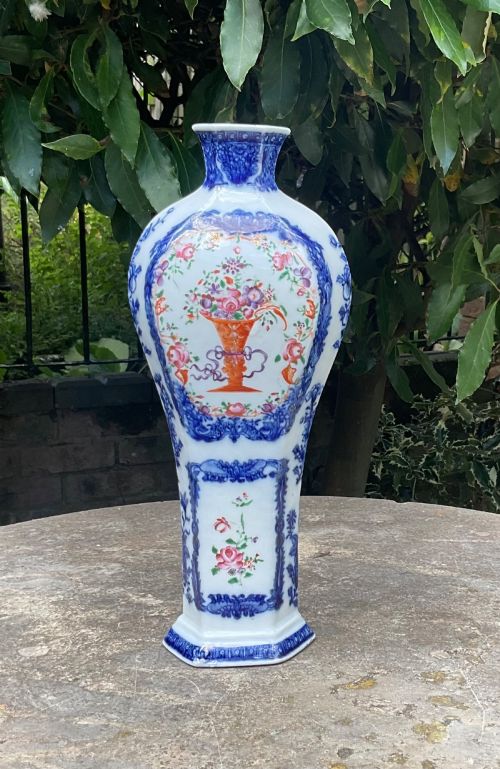
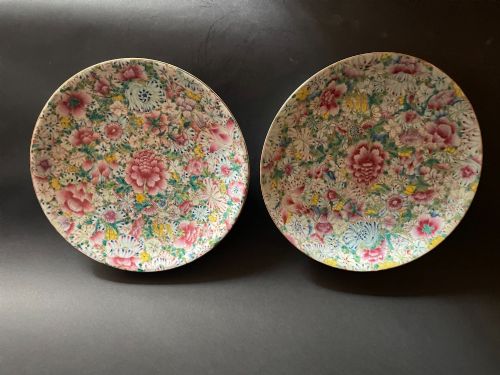
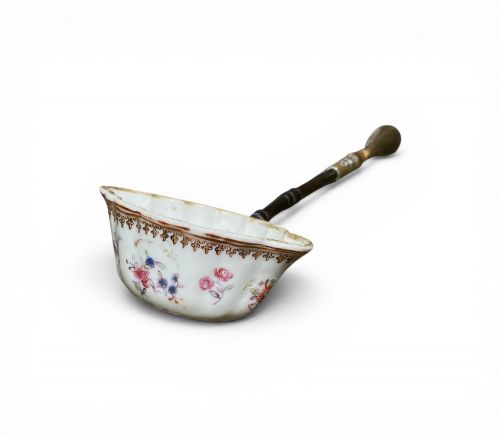
When you search for Chinese floral painting, you encounter a diverse range of objects decorated with botanical motifs, from delicate watercolours on silk to intricately painted porcelain plates, bowls, and vases. These pieces capture floral subjects such as marigolds, peonies, and birds amidst blossoms, reflecting traditional East Asian aesthetics across various centuries.
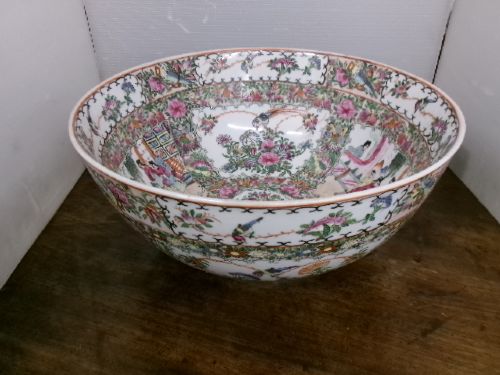
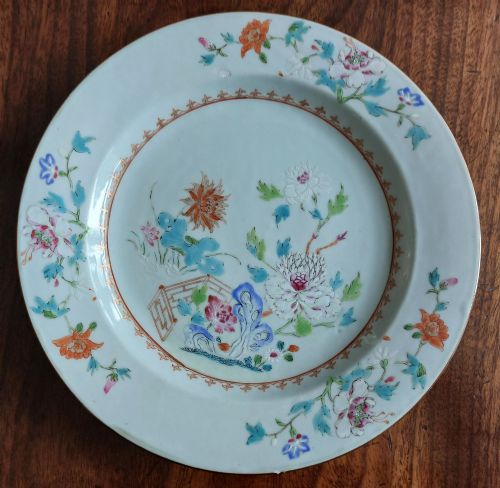
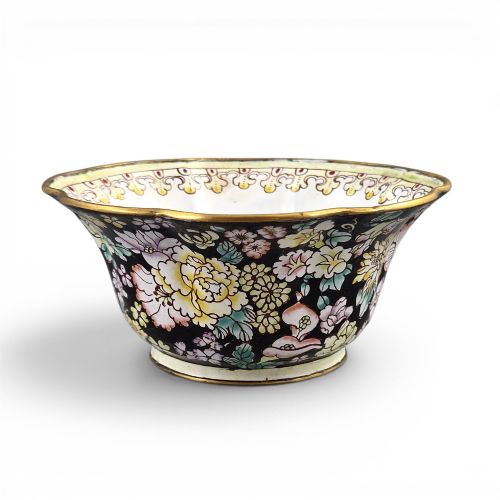
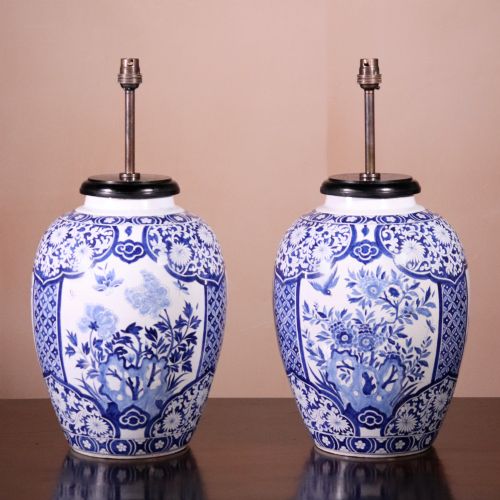
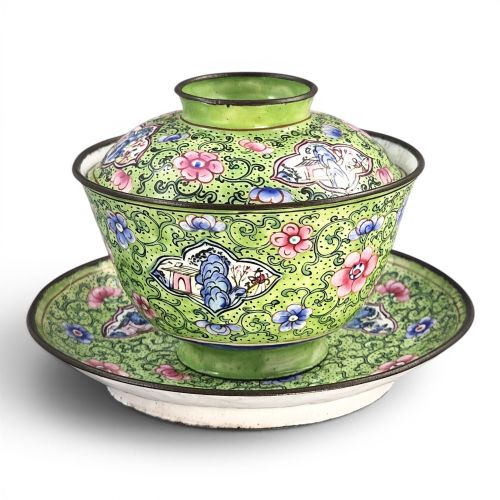
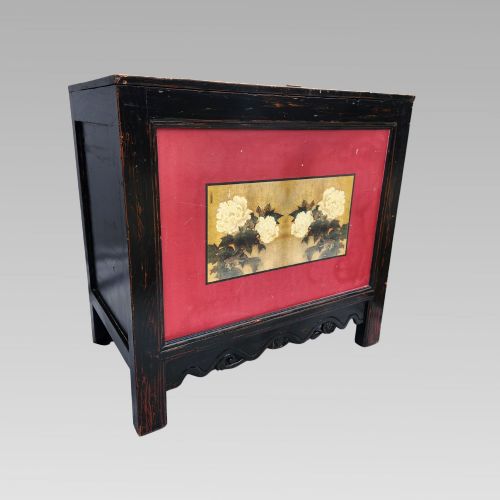
The items most frequently met on this page include 18th-century Qianlong period famille rose porcelain, 19th-century Canton enamel and porcelain bowls, and early 20th-century decorative pieces and table lamps. Buyers also find painted storage chests and wall art featuring traditional flora.
Originating from extensive trade and domestic production, these objects bridge functional utility and decorative wall art. They serve as historical records of botanical illustration techniques applied to ceramics, textiles, and paper.
How They Were Made
Makers utilised fine porcelain clays, copper, wood, and silk as substrates, applying hand-painted pigments, enamel, and gold leaf to render detailed botanical scenes. Painters used watercolours and gouache for silk and paper works, while ceramicists employed underglaze blue and overglaze enamel techniques.
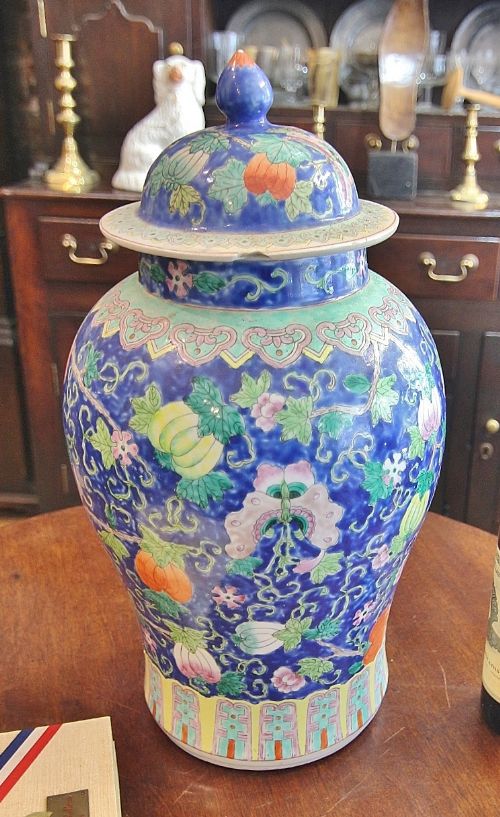
The application of famille rose and famille verte palettes required precise firing methods in kilns to fix the polychrome enamels onto the porcelain body. Wooden trunks and storage chests often combined lacquer finishes with hand-painted polychrome floral decoration and brass mounts.
Textiles and watercolours relied on fine brushwork on silk or paper grounds, capturing subtle tonal gradations in petals and leaves. Copper vessels utilised painted enamel surfaces fused to the metal base through controlled heating.
Available forms range from decorative bowls and table lamps to trunks, tea sets, and wall art.
What Varies in Quality
The refinement of the brushwork and the precision of the enamel application dictate the distinction between standard decorative items and exceptional examples. Superior pieces exhibit meticulous detail in the rendering of individual petals, birds, and foliage, showing a fluid and confident hand.
The clarity and brilliance of the colour palette, particularly in famille rose and painted enamel pieces, influence the overall standing of an object. Finer works maintain vibrant, stable hues without muddy blending or careless overpainting.
The preservation of the original surface - whether porcelain glaze, lacquer, or delicate silk painting - determines the integrity of the piece. Objects retaining crisp details and original seals or marks demonstrate superior craftsmanship and heritage.
The Chinese Floral Painting Glossary
- Famille Rose
- A prominent palette of opaque pink and rose enamels introduced in Chinese porcelain decoration during the Qing dynasty. This grouping allowed artists to achieve delicate tonal gradations and shading.
- Canton
- A major trade port in southern China associated with the production of colourful export porcelain and enamels. Pieces from this region often feature dense, vibrant floral and figural compositions.
- Chinoiserie
- European artistic style and interpretation of Chinese and East Asian artistic traditions. It manifests in Western decorative arts, furniture, and lacquerwork inspired by imported motifs.
- Gaiwan
- A traditional Chinese lidded bowl used for steeping and drinking tea. These sets frequently incorporate painted floral designs across the saucer, bowl, and cover.
- Qianlong
- The reign period of the Qianlong Emperor in the 18th century, noted for immense technical achievement in porcelain and decorative arts. Wares from this era often display exceptional refinement.
- Blue and White
- A ubiquitous ceramic decoration style utilising cobalt blue pigment under a transparent glaze. The technique achieves intricate floral and landscape patterns through high-temperature firing.
Chinese Floral Painting: Frequently Asked Questions
What is famille rose porcelain?
Famille rose refers to Chinese ceramics decorated with a distinctive opaque pink enamel introduced during the 18th century. This palette enabled artists to paint nuanced floral motifs with subtle shading.
Items decorated in this style span plates, bowls, teapots, and vases, often associated with the Qianlong period and subsequent 19th-century export production.
How do I date a Chinese porcelain bowl?
Dating relies on examining the style of the floral painting, the characteristics of the glaze, and any reign marks on the base. Stylistic shifts between 18th-century Qianlong pieces and later 19th-century Canton wares offer clear visual clues.
Comparing potting thickness, colour saturation, and baseline wear helps collectors distinguish between original dynastic pieces and later revival styles.
Where were Canton enamels made?
Canton enamels were produced in the southern Chinese port city of Guangzhou, specifically for export markets and domestic consumption. Artisans applied painted enamels onto copper or porcelain bases.
These objects typically display dense, colourful floral and botanical patterns that became immensely popular among European traders during the 19th century.
How should I care for silk paintings?
Silk paintings require protection from direct sunlight and excessive humidity to prevent the fabric from degrading and the pigments from fading. Framing behind UV-filtering glass ensures proper preservation.
Handling should be kept to a minimum, and pieces ought to be hung in stable environments away from direct heat sources to maintain the integrity of the watercolours.
What is a Chinese export trunk?
Export trunks are robust storage chests made from woods like camphor, often covered in leather, lacquer, or fabric, and fitted with brass hardware. They were utilised for transporting goods along maritime trade routes.
Many examples feature polychrome painted floral decoration or Chinoiserie motifs, combining practical utility with decorative craftsmanship intended for Western interiors.