

Chinese Export Painting
Chinese export painting spans delicate gouache on pith paper and vibrant oils created for Western markets.
Chinese Export Painting
Chinese export painting covers works created in China specifically for international clientele during the eighteenth and nineteenth centuries. These pieces reflect a fascinating cross-cultural exchange, combining traditional Eastern subjects with formats that appealed to European and American collectors.
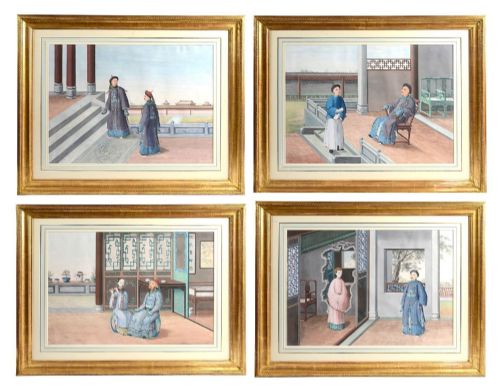
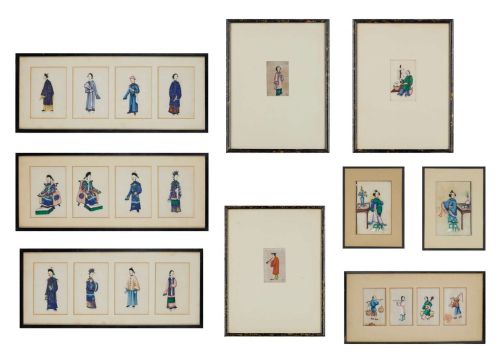
The selections available here range from detailed framed artwork on pith paper depicting ships and figures to reverse painting on glass and oil paintings. Dating primarily from the eighteenth and nineteenth centuries, these works offer a direct window into historical trade routes and artistic adaptation.
Materials and Construction
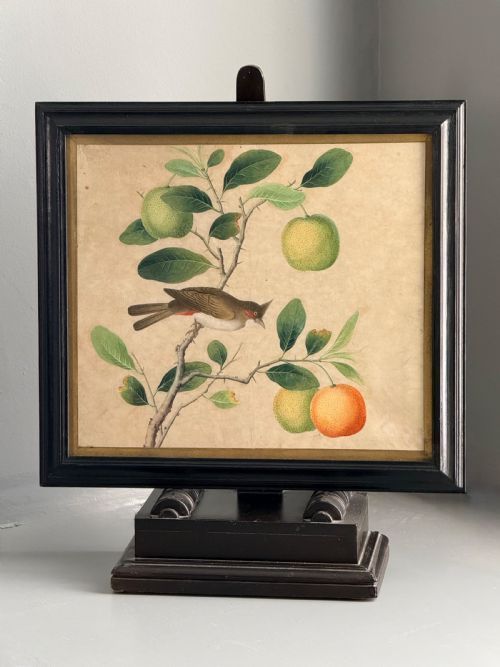
Artisans utilised delicate pith paper, derived from the pith of the Tetrapanax papyrifer plant, as a primary surface for vibrant gouache watercolours. Other works employ oil paint applied meticulously to canvas or reverse painted onto sheets of glass.
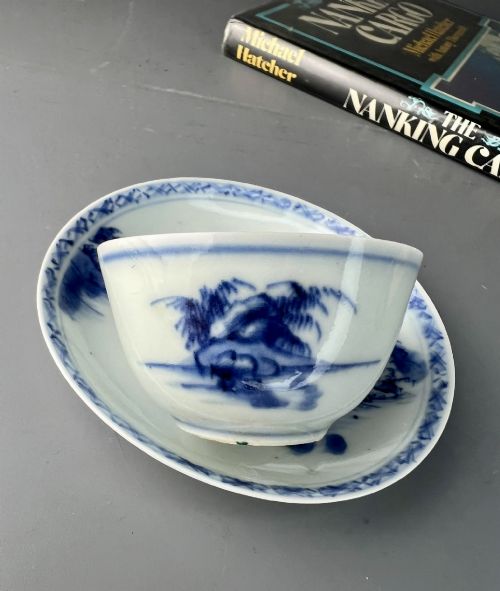
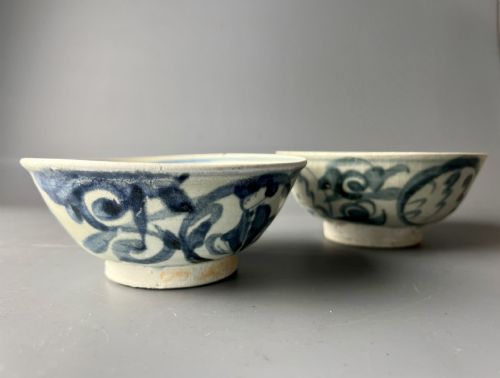
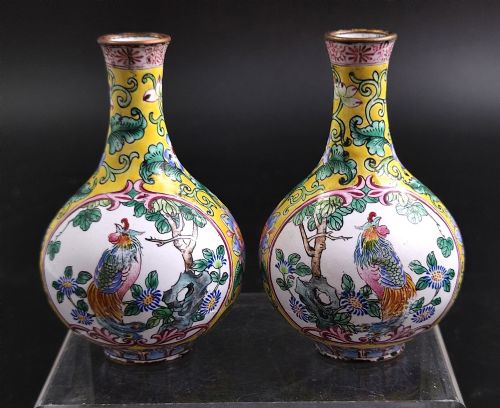
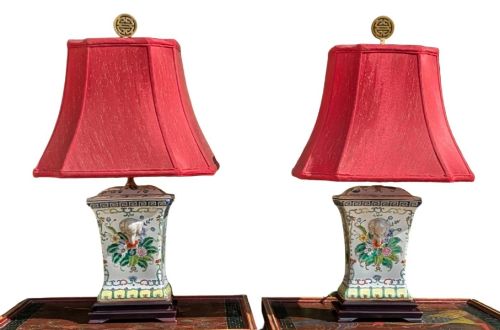
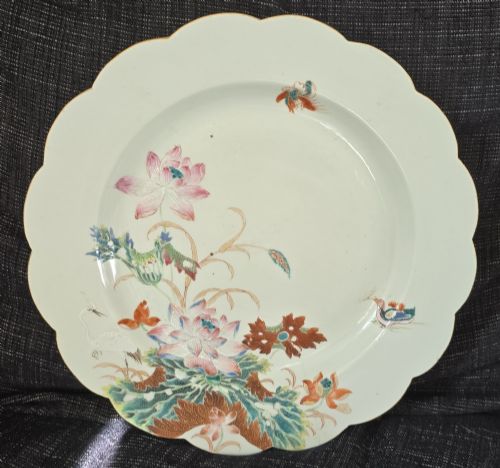
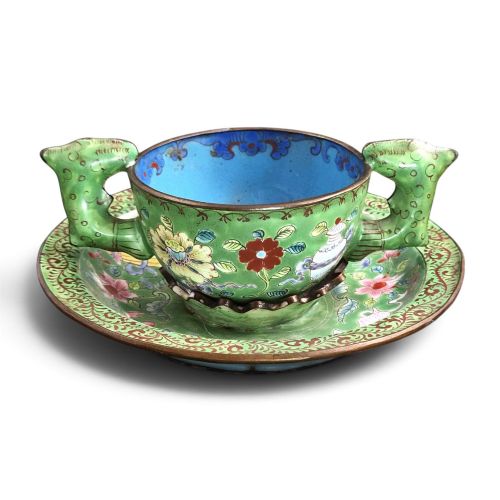
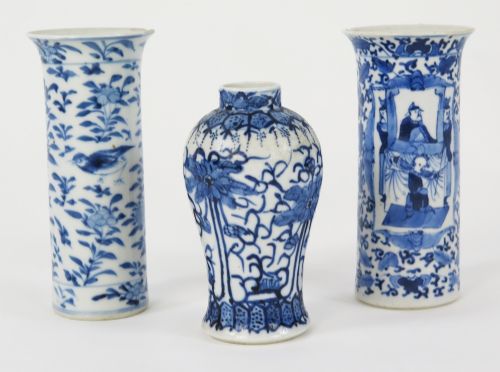
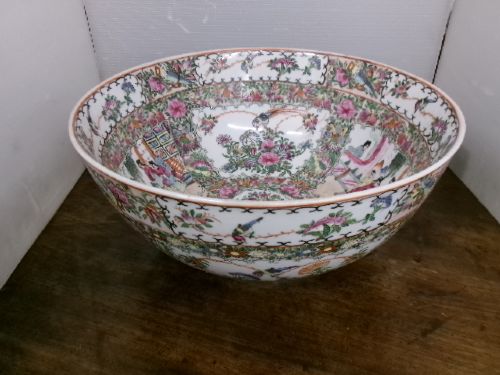
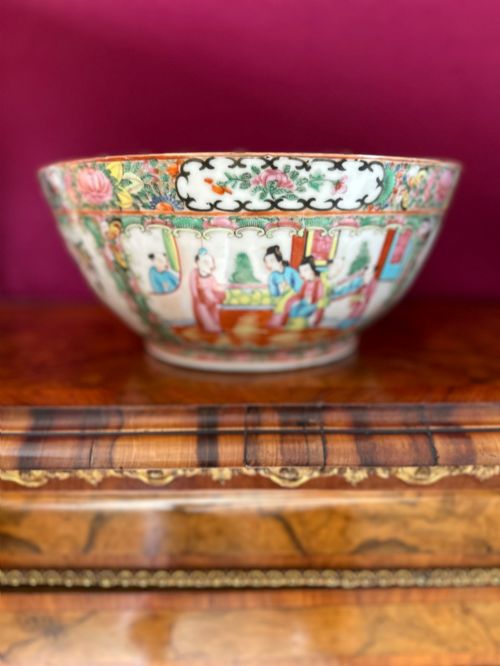
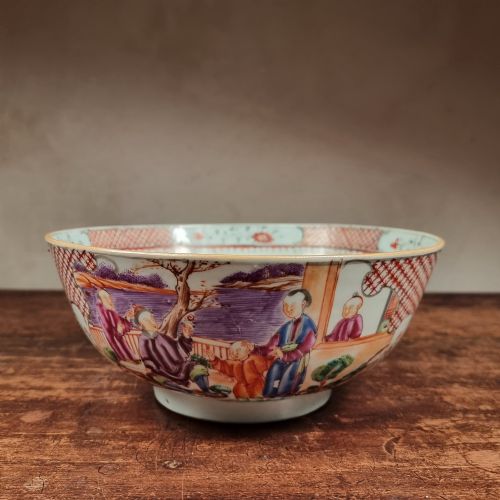
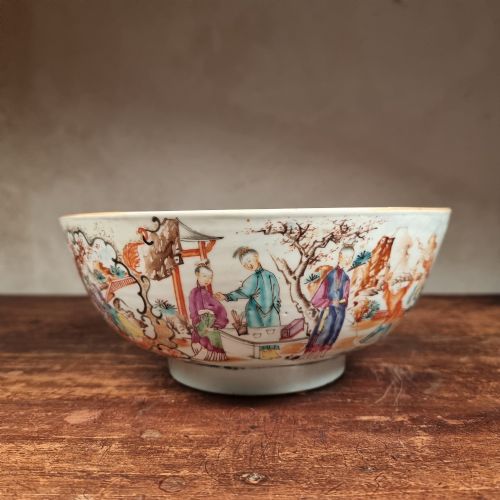
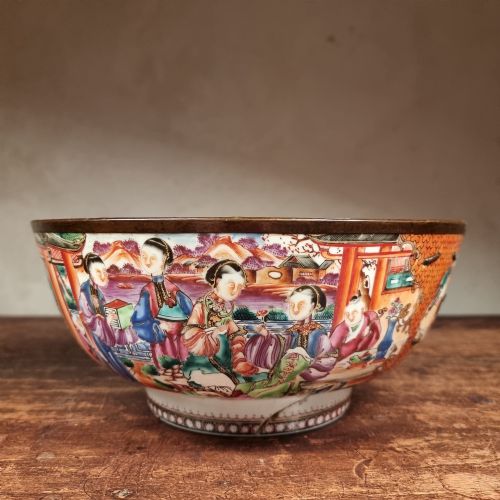
Porcelain and enamel elements often accompany these collections, alongside wood for frames and lacquer tables. The application of gold leaf and rich glazes completes the physical construction of these export items.
Victorian travellers frequently purchased bound albums of pith paintings as souvenirs, treating them much like nineteenth-century photographic holiday scrapbooks.
Assessing Quality
Quality rests upon the precision of the brushwork and the vibrancy of the remaining pigment, particularly on fragile mediums like pith paper. Superior examples maintain crisp lines and vivid colour without excessive flaking or fading.
Compositional complexity also dictates standing, with multi-figure scenes and detailed maritime subjects generally demonstrating greater artistic ambition than simpler decorative studies.
The Chinese Export Painting Glossary
- Pith paper
- A delicate, spongy material cut from the stem of the Tetrapanax plant, commonly used in the nineteenth century for watercolour albums.
- Gouache
- An opaque water-based pigment that provides rich, matte colour on paper and pith supports.
- Reverse painting on glass
- A technique where the artist applies paint directly to the back of a glass pane, viewed from the front to create a glossy finish.
- Famille rose
- A major palette of Chinese ceramic glazes introduced in the eighteenth century, distinguished by opaque pink or purple enamels.
- Canton
- A major port city in southern China where much of the export art, porcelain, and painting was produced for foreign trade.
Chinese Export Painting: Frequently Asked Questions
What is pith paper?
Pith paper is a fragile, velvety medium harvested from the pith of a Chinese plant rather than pressed wood pulp. Artists used it extensively in the nineteenth century for brightly coloured gouache paintings.
Because the material is naturally delicate, these paintings require careful handling and preservation away from direct sunlight.
How should I display pith paintings?
Pith paintings need professional framing under UV-protective glass to prevent the pigments from degrading. Keep them away from high humidity and direct daylight to protect the fragile surface.
Properly sealed frames ensure these historical works remain stable for generations.
Are these paintings from the Qing dynasty?
Many export paintings date from the Qing dynasty, particularly the eighteenth and nineteenth centuries when international trade flourished. Makers produced various formats for foreign merchants visiting southern ports.
Stylistic markers and subject matter often help align individual pieces with specific decades within this era.
What subjects appear in export art?
Common themes include maritime scenes featuring junks and Western ships, local trades, court figures, and botanical studies. These subjects were chosen to satisfy Western curiosity about Chinese life and landscape.
Artists tailored compositions specifically to appeal to the tastes of foreign buyers returning home.