



Chinese Pith Paper Paintings
Chinese pith paper paintings are delicate export works capturing historical figure scenes on plant material, offering collectors a vivid window into past trade eras.
Chinese Pith Paper Paintings
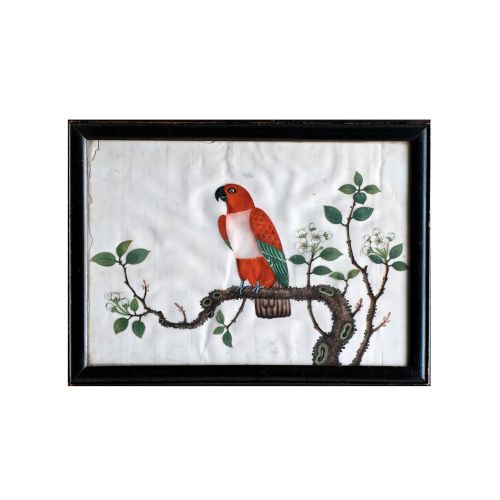
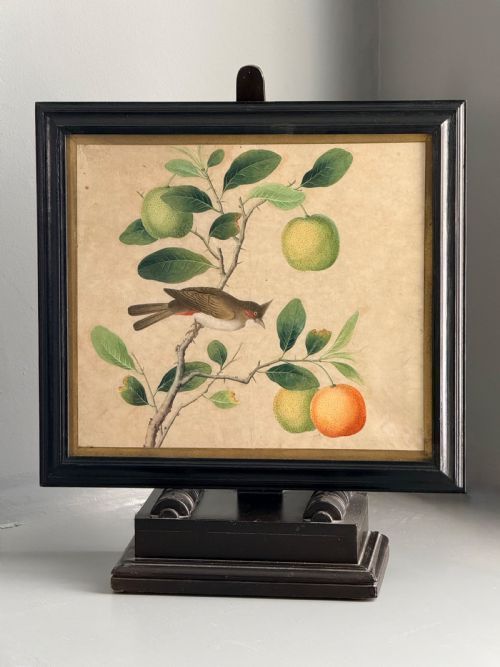
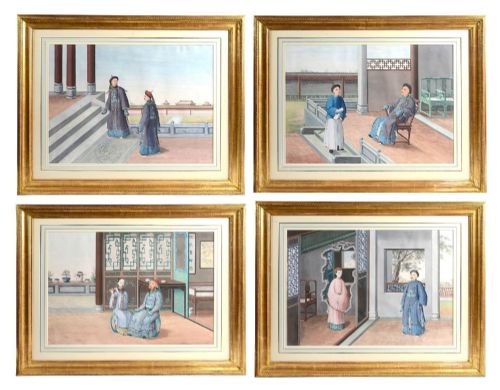
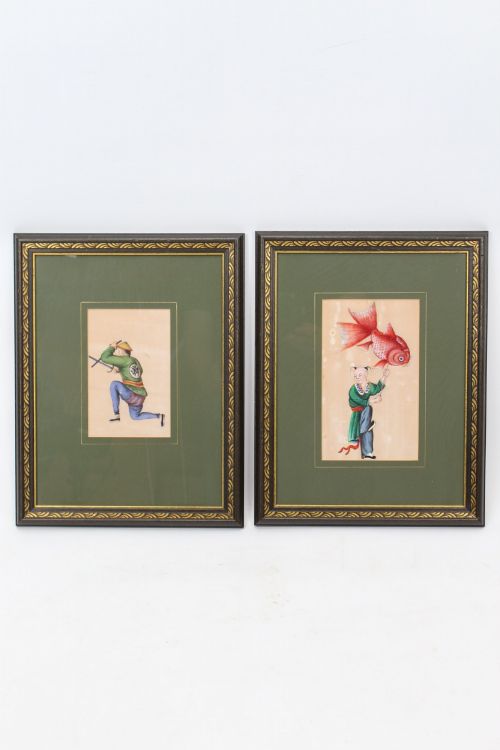
When you search for Chinese pith paper paintings, you encounter delicate export artworks created during the nineteenth century, including the Edwardian period and nineteen hundred. These pieces typically depict traditional figure scenes and studies, often found framed behind glass or mounted as wall art.
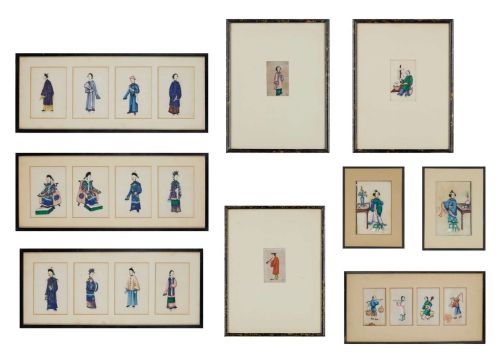
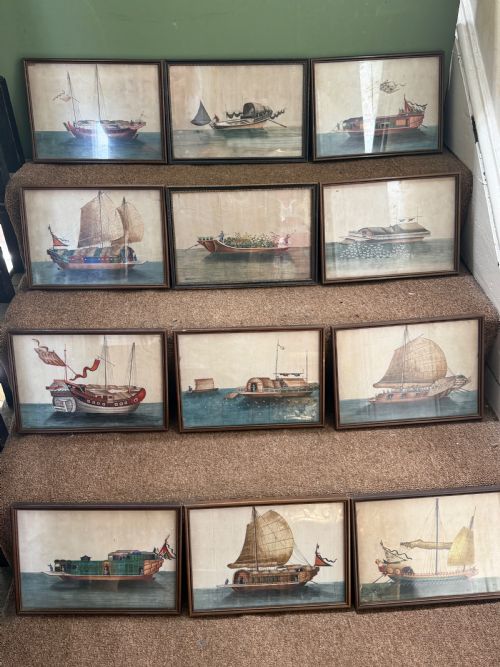
The format varies from small pairs to larger sets, reflecting the prolific production geared towards Western markets during the Qing Dynasty and Chinese Export art movements. Most examples available now and in past archives consist of multiple panels or grouped watercolours showing customary subjects.
How they were made
Makers utilised delicate pith paper derived from the spongy cellular tissue of the Tetrapanax papyrifer plant, providing a unique absorbent surface that took pigments differently than standard paper. Artists applied watercolour and gouache directly to this fragile substrate.
Finished works frequently utilised wooden frames and glass for protection, given the inherent fragility of the pith medium. The combination of brilliant mineral and plant-based pigments created the characteristic vivid tones seen in these export paintings.
Chinese Pith Paper Paintings Retail Price Guide 2026
Typical asking prices for chinese pith paper paintings among the pieces listed under this phrase on Sellingantiques today, from the lower quarter to the upper quarter. They describe what is for sale here now, not the wider market.
The site listings feature nineteenth-century and Edwardian pieces created with watercolour, gouache, and wood.
What varies in quality
Quality separates through the finesse of the brushwork and the preservation of the fragile pith surface, where superior examples retain brilliant pigment saturation without severe cracking or pigment flaking. The complexity and detail of the figure scenes also distinguish finer works from simpler commercial outputs.
The completeness of sets and the historical framing choices further elevate certain pieces, as intact multiples of twelve or pairs provide a more comprehensive narrative than isolated leaves. Superior mounting preserves the delicate substrate against environmental degradation.
The Chinese Pith Paper Paintings Glossary
- Pith paper
- A delicate material sliced from the pith of the Tetrapanax papyrifer plant, commonly used in nineteenth-century Chinese export art. It possesses a velvety texture that enhances watercolour and gouache pigments.
- Gouche
- An opaque water-based medium containing pigment and a binding agent, frequently utilised alongside transparent watercolour on export paintings. This technique provides rich, solid areas of colour within figure scenes.
- Chinese Export
- Art objects produced in China specifically for Western markets, spanning various dynasties and historical periods. These works often blend traditional Eastern subjects with Western framing and compositional preferences.
- Edwardian
- A historical period spanning the early twentieth century, occasionally associated with the dating or secondary framing of these imported artworks. Pieces from this era continue traditions established in the nineteenth century.
Chinese Pith Paper Paintings: Frequently Asked Questions
What is pith paper?
Pith paper is a fragile, spongy material sliced from the pith of a specific Asian plant rather than processed wood pulp or plant fibres. It accepts watercolour and gouache with a distinctive velvety sheen.
Artists during the nineteenth century relied on this delicate substrate for export art because it absorbed pigments to create unusually luminous surface effects.
What do the scenes show?
The compositions predominantly feature traditional figure studies and narrative scenes documenting daily life, trades, and customs for Western buyers. These detailed depictions served as visual souvenirs of the East.
Sets often group multiple figures together, providing a sequential record of historical occupations and social ranks.
How do I date them?
Dating relies on stylistic clues, framing materials, and historical records pointing to the nineteenth century, the Edwardian era, or nineteen hundred. Export paintings changed gradually over these periods.
Comparing the complexity of the gouache application and the mounting style helps place an artwork within its proper historical context.