




Qing Dynasty Watercolours
Qing dynasty watercolours are delicate works on pith paper and silk that bring vibrant maritime scenes and floral studies straight to a wall.
Qing Dynasty Watercolours
When you search for qing dynasty watercolours, you encounter framed paintings and wall art spanning the eighteenth century through to the Edwardian period, with nineteenth-century examples appearing most frequently.
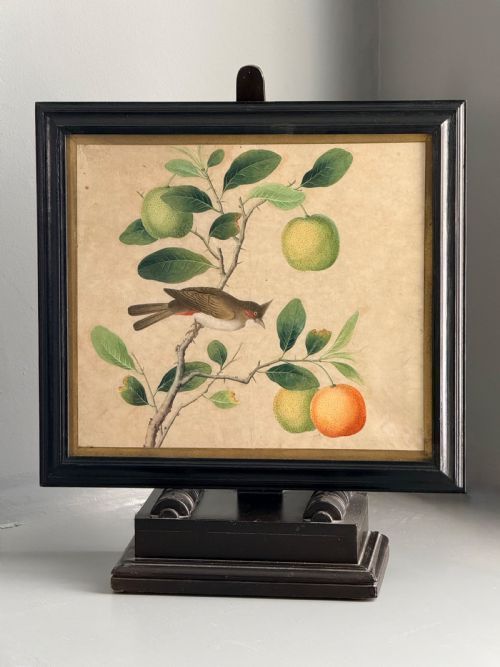
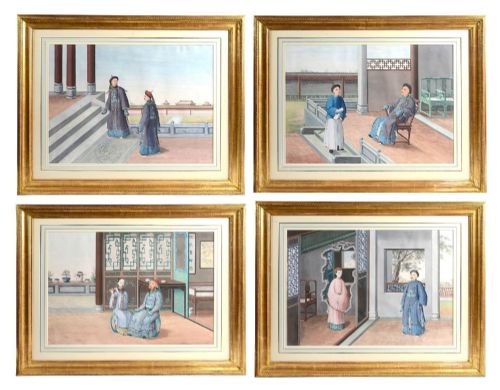
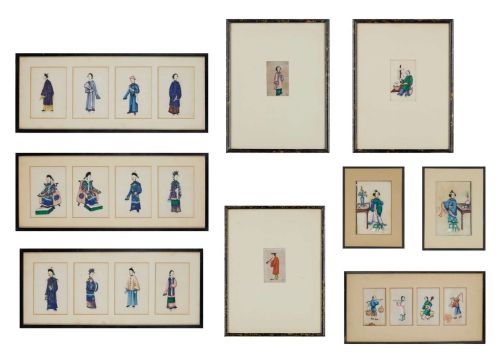
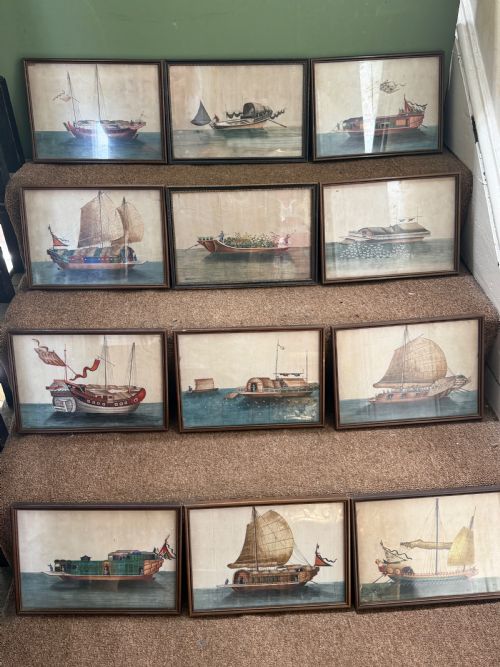
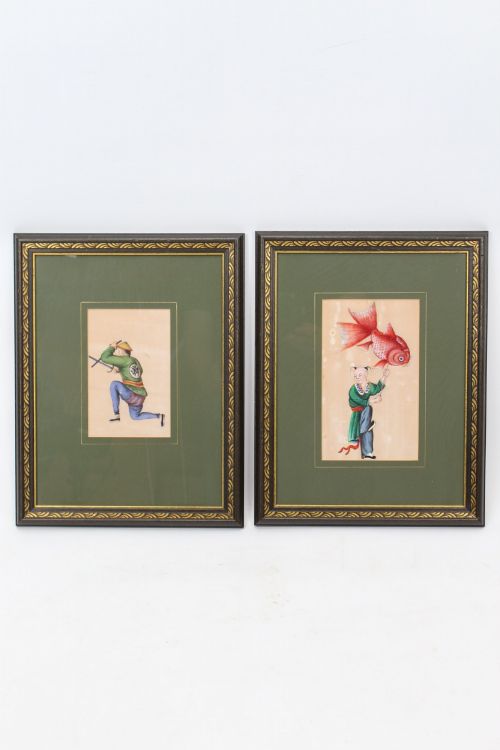
These works include individual sheets and substantial sets depicting figures, butterflies, insects, junks, and other ships in Chinese export styles.
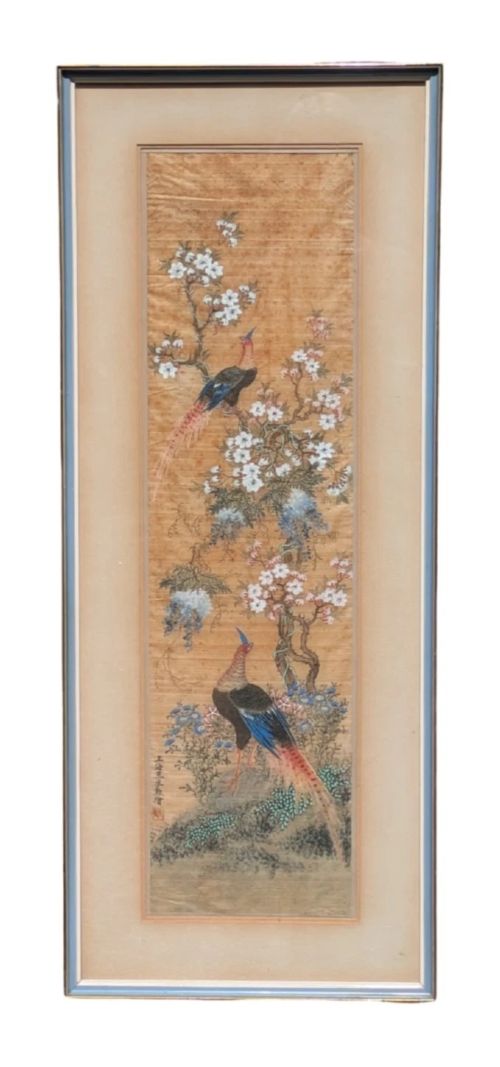
The objects take the form of framed artwork, gouache paintings, and pith paper panels originating from Chinese export workshops.
How they were made
Artists painted using watercolour, gouache, and ink applied to delicate pith paper, rice paper, and silk supports.
Finished works were frequently housed in wood frames behind glass to protect the fragile painted surfaces.
Qing Dynasty Watercolours Retail Price Guide 2026
Typical asking prices for qing dynasty watercolours among the pieces listed under this phrase on Sellingantiques today, from the lower quarter to the upper quarter. They describe what is for sale here now, not the wider market.
Listings feature wood and glass framing combined with pith paper, silk, and watercolour.
What varies in quality
Quality rests on the crispness of the pigment application and the preservation of the delicate pith paper or silk ground.
Complete sets of multiple paintings retain greater visual impact than scattered single sheets.
The Qing Dynasty Watercolours Glossary
- Pith paper
- A delicate material cut from the pith of the Tetrapanax papyrifer plant, commonly used in nineteenth-century Chinese export painting. It possesses a velvety texture that absorbs watercolour and gouache with particular brilliance.
- Chinese Export
- Art objects produced in China specifically for Western buyers and foreign markets. These pieces often blend traditional Eastern subjects with Western framing or compositional preferences.
- Gouache
- An opaque water-based medium composed of ground pigments and a binding agent. It provides dense, matte colour that painters layered effectively alongside translucent watercolour.
- Regency
- A British stylistic period spanning the early nineteenth century. Works associated with this era often reflect the aesthetic tastes of that specific time in European collecting.
Qing Dynasty Watercolours: Frequently Asked Questions
What are qing dynasty watercolours painted on?
These works are painted primarily on pith paper, often referred to as rice paper, as well as on silk.
The fragile nature of pith paper makes each surviving sheet a delicate record of historical export art.
How were these paintings originally used?
They were created mainly for the export market as souvenirs and decorative art for Western collectors.
Many were compiled into albums or framed as sets for display in European and British homes.
Are these works found in sets?
Yes, many listings comprise sets of multiple paintings, such as groups of twelve or twenty-one related scenes.
These series frequently depict botanical subjects, butterflies, or maritime vessels like junks.
How do you date a pith painting?
Dating relies on stylistic markers, framing materials, and the context of nineteenth-century Chinese export production.
Most examples date from the 1800s through the late nineteenth and early Edwardian periods.