




Pith Paper Paintings
Pith paper paintings are delicate Chinese export works capturing figures, ships, and flora, offering a vivid window into historical trade periods.
Pith Paper Paintings
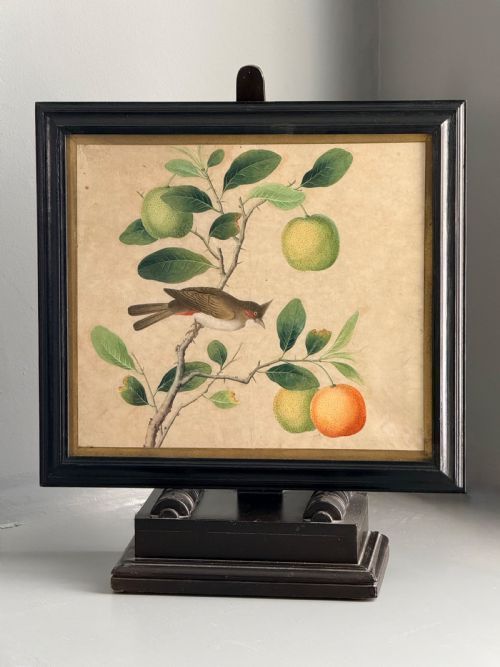
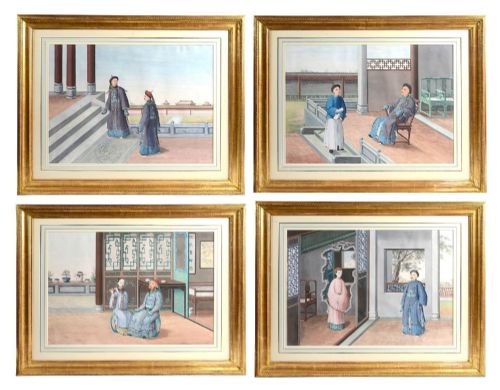
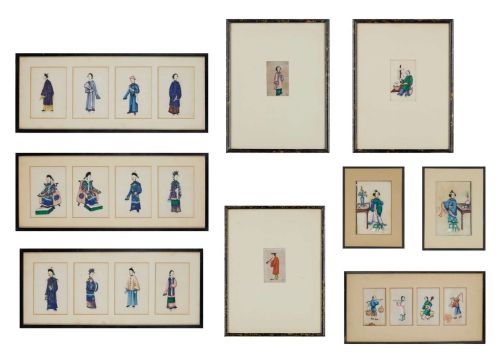
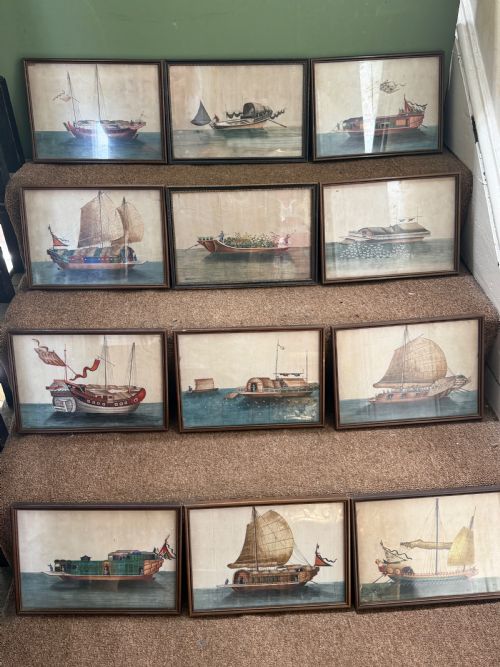
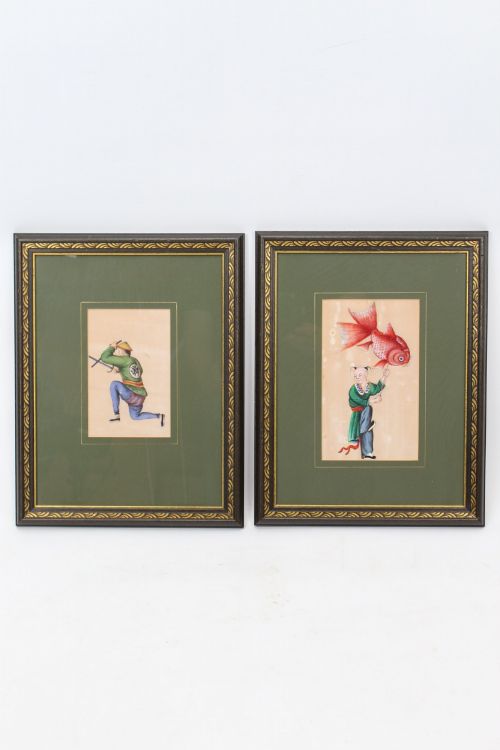
Pith paper paintings are historical artworks created for the export market during the Qing dynasty and the nineteenth century. Buyers searching for pith paper paintings will predominantly encounter nineteenth century examples, often grouped in sets or pairs.
The subjects range from figural scenes and butterflies to junks and floral studies. These pieces typically arrive framed in wood or gilt wood, preserved behind glass as wall art.
The aesthetic bridges traditional Chinese export art with Western decorative demand. Surviving pieces demonstrate the remarkable reach of Canton studios during the Regency and Edwardian eras.
How they were made
These works are painted using gouache and watercolour directly onto pith paper, a delicate cellular material historically misidentified as rice paper. The spongy texture of the pith absorbs pigment intensely, giving the colours a characteristic velvety depth.
Artists mounted these fragile paintings onto standard paper backing sheets for stability before framing them in wood or glass enclosures. Silk occasionally serves as a ground alongside pith paper in related export pieces.
Pith Paper Paintings Retail Price Guide 2026
Typical asking prices for pith paper paintings among the pieces listed under this phrase on Sellingantiques today, from the lower quarter to the upper quarter. They describe what is for sale here now, not the wider market.
Listings feature works spanning the eighteenth century, the Regency era, the nineteenth century, and the Edwardian period.
What varies in quality
Quality in these paintings rests upon the fineness of the brushwork and the preservation of the delicate pith ground. Superior examples display crisp detail in figural studies and vibrant, stable pigments across botanical or maritime subjects.
The completeness of original sets and the condition of the framing materials also define the grade of the piece. Works that retain their original mounting and show minimal pigment flaking command stronger interest.
The Pith Paper Paintings Glossary
- Pith paper
- A delicate natural material sliced from the pith of the Tetrapanax papyrifer plant, erroneously called rice paper. It possesses a spongy, velvet-like surface that holds gouache brilliantly.
- Gouache
- An opaque water-based paint utilised for its dense, matte finish. It provides the vibrant colouration seen in nineteenth century export paintings.
- Chinese Export
- Art created in China specifically for Western markets and buyers. These objects reflect a fascinating cultural exchange during the Qing dynasty.
- Qing Dynasty
- The final imperial dynasty of China, spanning from sixteen forty-four to nineteen twelve. Most surviving pith paper paintings originate from the later decades of this period.
Pith Paper Paintings: Frequently Asked Questions
What is pith paper made from?
Pith paper is sliced from the pith of a specific shrub native to southern China rather than actual rice. The material yields a unique spongy texture that accepts watercolours with striking luminosity.
This cellular structure makes the surface exceptionally fragile and sensitive to pressure. Historical artists utilised this distinctive medium to create vibrant export works for foreign traders.
How should I frame these paintings?
These works require professional framing behind glass with spacers to prevent the delicate pith surface from touching the glazing. Environmental stability protects the fragile paper from humidity changes.
Keeping the artwork away from direct sunlight preserves the fugitive gouache pigments. Proper conservation ensures these nineteenth century pieces survive intact.
Are these paintings Chinese export art?
Yes, these items were produced in workshops in Canton and other trading ports for Western export. They served as popular souvenirs and decorative items for foreign merchants.
Subjects were chosen to appeal to European tastes while depicting local trades, flora, and shipping. This trade bridged Eastern techniques with Western domestic interiors.
Why are they called rice paper paintings?
Early European traders mistakenly believed the cellular pith material was manufactured from rice straw. The misnomer persisted in historical records and antique trade terminology.
Actual rice paper is made from plant fibres and differs entirely in structure. Botanists eventually clarified the true origin of the pith plant.