


Antique Chinese Artwork
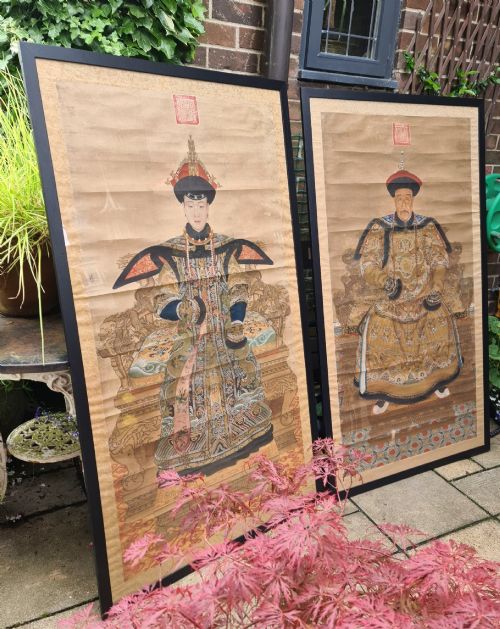
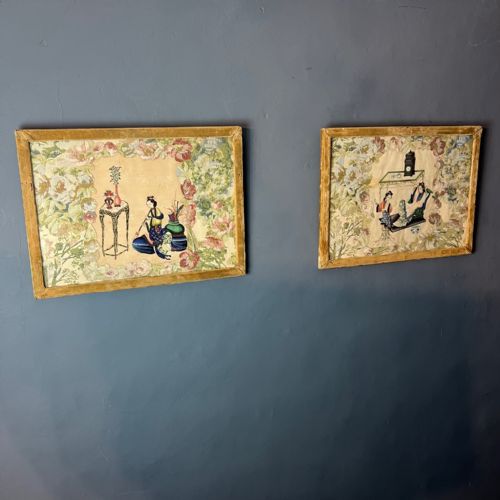
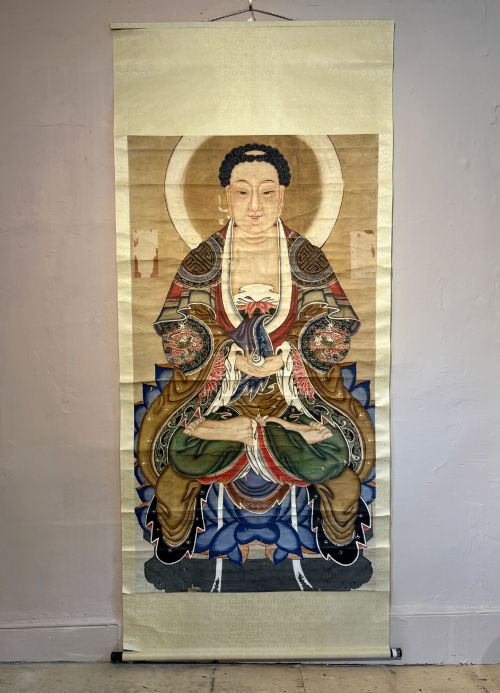
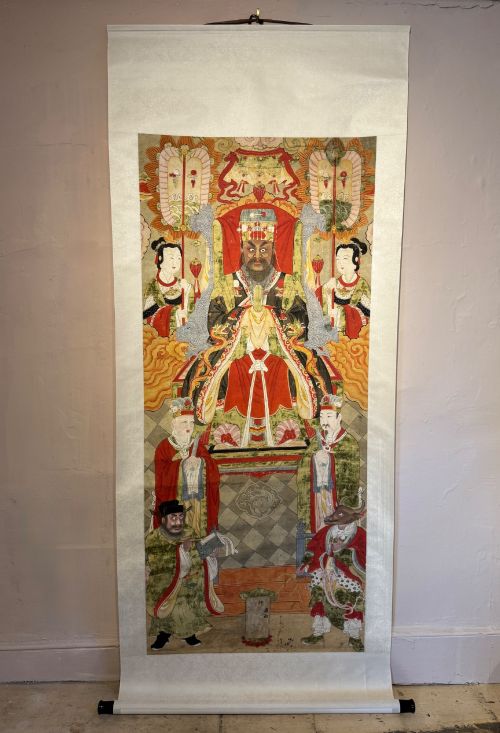
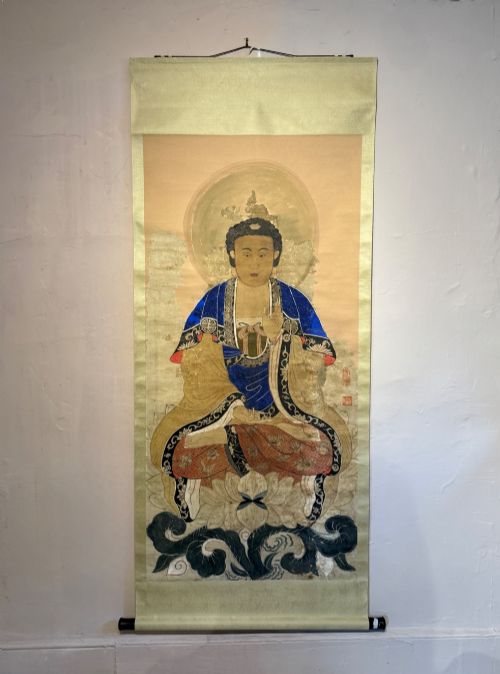
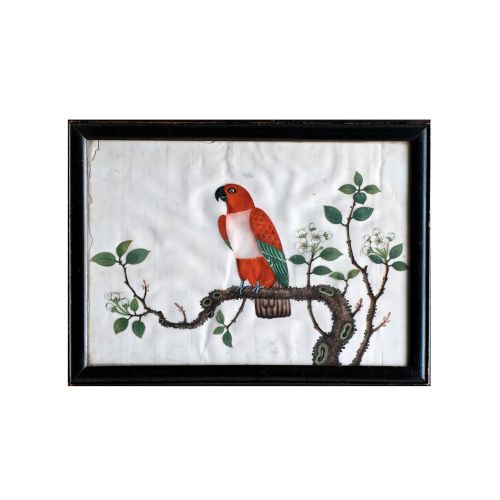
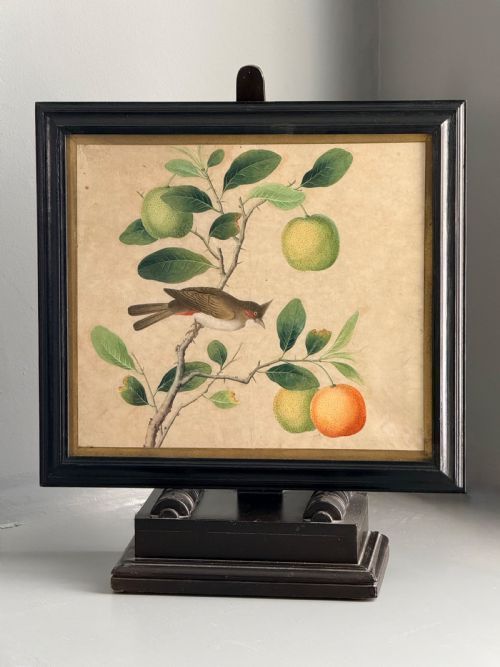
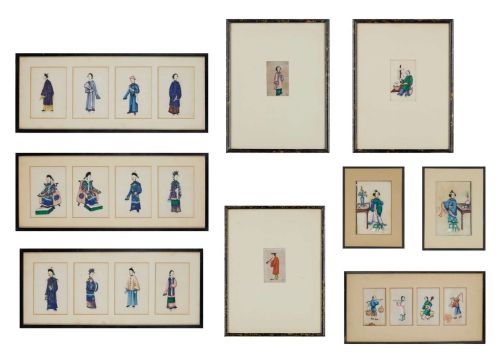
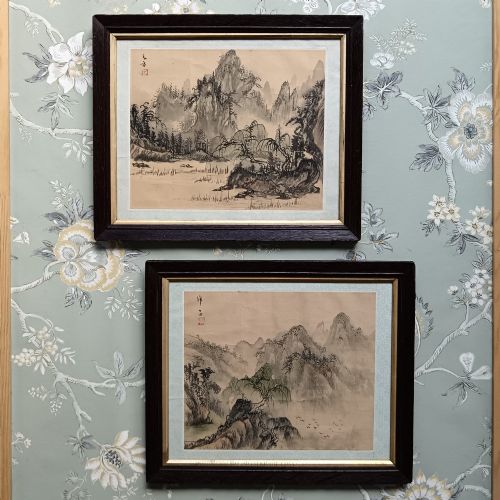
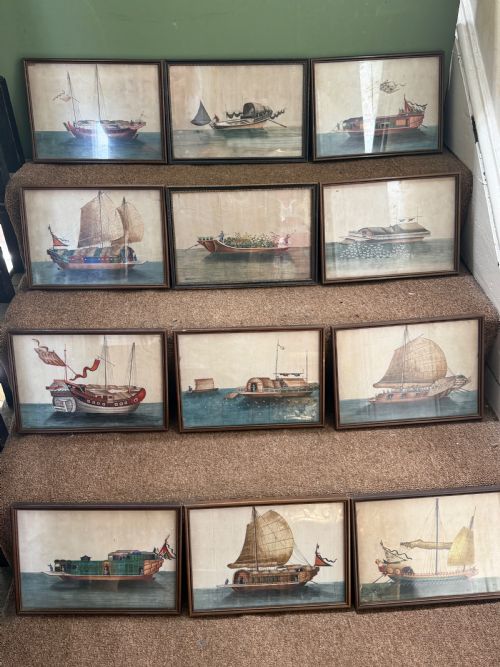
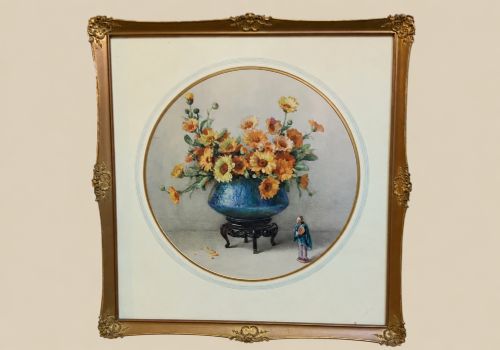
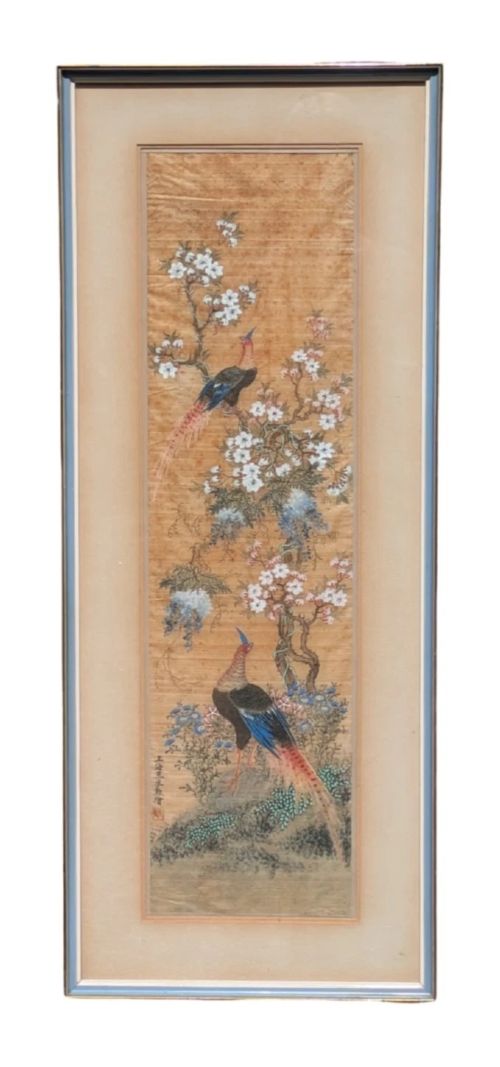
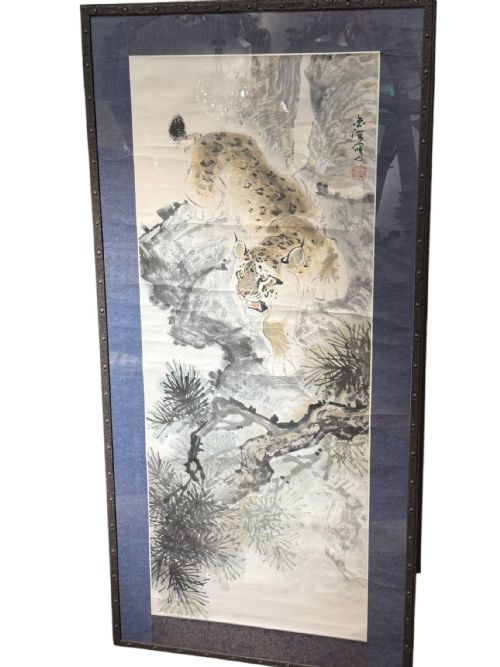
Antique chinese artwork encompasses framed paintings, wall art and sculptures from the nineteenth century that bring traditional craftsmanship and cultural narratives into a modern home.
Antique Chinese Artwork
Beyond flat works, three-dimensional sculptures carved from soapstone or steatite appear among the listings. These objects reflect the material culture and artistic output of the Qing dynasty and Chinese export markets.
How these pieces were made
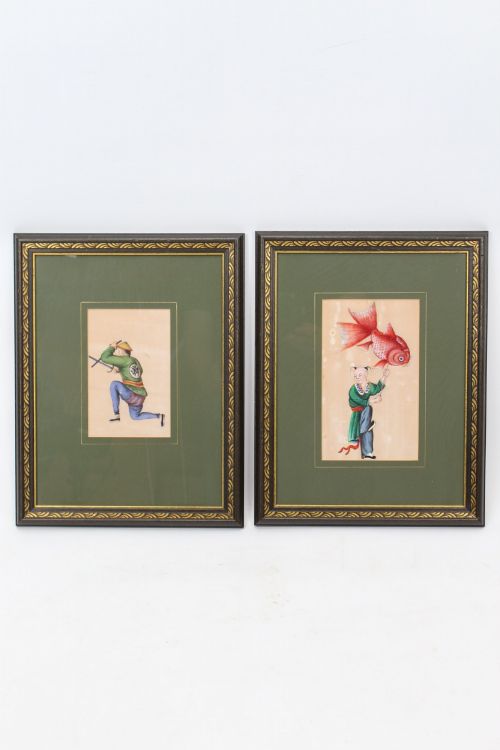
Makers utilised natural media such as gouache and paint applied to delicate surfaces like pith paper and early silk or textile grounds. Wood and brass frequently provide structural support or framing for these wall pieces.
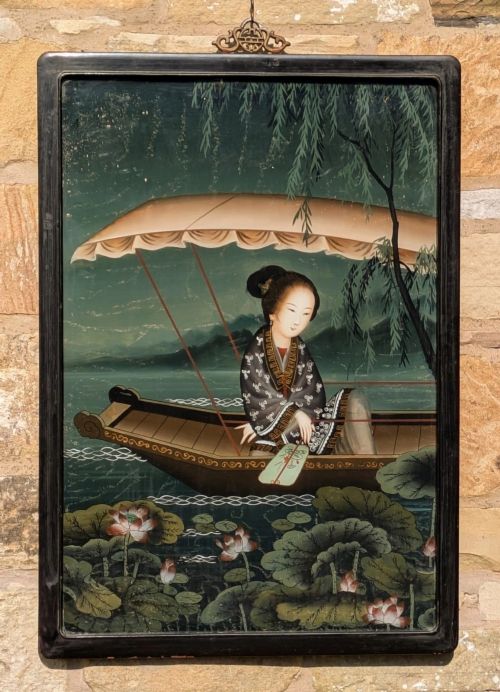
Sculptural works rely on the careful carving of soapstone and steatite. Reverse paintings on glass require precise hand-application of pigments directly onto the reverse side of the glass panel to achieve a finished composition viewed from the front.
Antique Chinese Artwork Retail Price Guide 2026
Typical asking prices for chinese artwork among the pieces listed under this phrase on Sellingantiques today, from the lower quarter to the upper quarter. They describe what is for sale here now, not the wider market.
The site listings feature nineteenth century items utilising wood, glass, pith paper, gouache, paint, brass, soapstone, and steatite within Qing dynasty and Chinese export styles.
What separates the best from the rest
Quality rests upon the delicacy of the hand-painted brushwork on materials such as pith paper and silk, alongside the depth and detail achieved in soapstone and steatite carvings. Greater refinement in pigment application and subject rendering elevates certain pieces above standard export items.
The integrity of fragile supports, including historical glass panels and delicate textile backings, shapes the overall standard of preservation. Superior examples maintain their original framing elements, such as wood and brass components, in sound condition.
The Antique Chinese Artwork Glossary
- Pith paper
- A delicate painting medium derived from the pith of the Tetrapanax papyrifer plant. It possesses a velvety texture that absorbs gouache and water-based pigments with exceptional brilliance.
- Reverse painting on glass
- A technique where artists apply paint directly to the back of a glass panel. When viewed from the unpainted front, the colours appear with heightened clarity and depth.
- Soapstone
- A softer metamorphic rock composed primarily of talc, widely utilised for intricate Chinese carvings. Its smooth texture allows for detailed figurative and animal sculpture.
- Qing dynasty
- The final imperial dynasty of China, spanning from sixteen forty-four to nineteen twelve. Pieces from this era often display distinct imperial or export aesthetic conventions.
- Gouache
- An opaque water-based paint frequently used on historical paper and textile works. It provides rich, solid colour blocks essential for detailed traditional compositions.
Antique Chinese Artwork: Frequently Asked Questions
What is antique chinese artwork?
Antique chinese artwork comprises historical paintings, wall art, and sculptures created during the nineteenth century. These items include delicate pith paper paintings, glass panels, and soapstone carvings.
Such pieces reflect the traditional techniques and cultural output of the Qing dynasty and Chinese export trade. They serve as historical examples of Asian craftsmanship preserved for modern collectors.
How do I care for pith paper paintings?
Pith paper paintings require careful handling because the material is naturally fragile and sensitive to moisture. Keep them framed behind glass and away from direct sunlight to prevent fading.
Maintain stable indoor humidity levels to protect the delicate paper structure and the water-based pigments applied by the artist.
What is reverse glass painting?
Reverse glass painting involves applying paint directly to the rear surface of a glass sheet. The artist must paint background details first so they appear correctly oriented from the front.
This method creates a glossy, luminous finish that protects the pigments from atmospheric dust and direct physical wear over the centuries.