



19th Century Chinese Painting
These 19th century chinese painting works span delicate pith paper watercolours and framed silk portraits, offering a direct view into Qing dynasty visual culture.
19th Century Chinese Painting
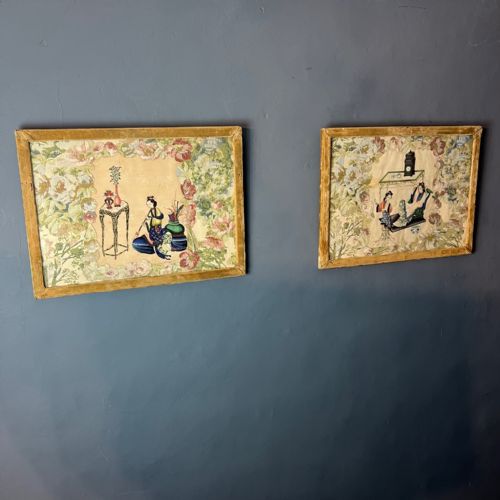
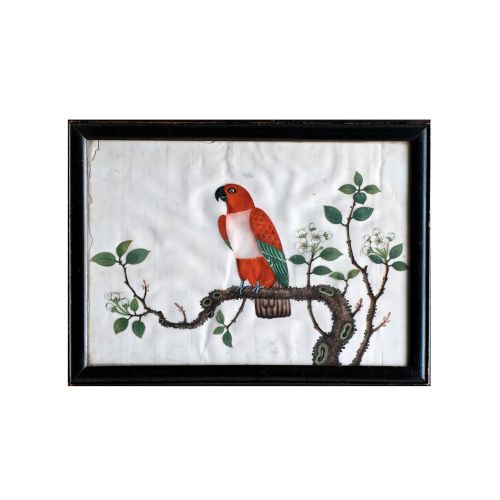
When searching for 19th century chinese painting, collectors encounter a diverse array of works on paper, silk, and glass created during the Qing dynasty. Watercolours on pith paper depicting birds, insects, figures, and maritime junks form a prominent category of these items.
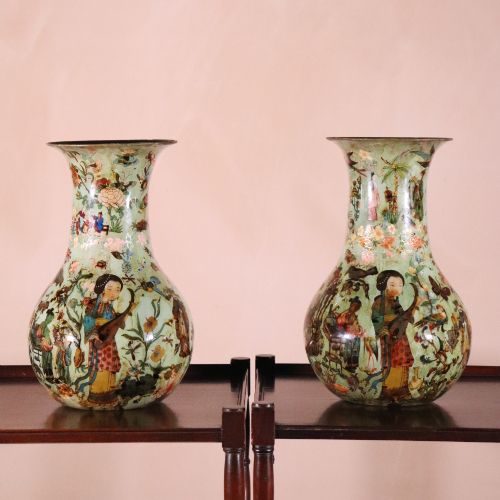
Alongside pith paper sheets, buyers frequently find reverse glass paintings and export watercolours created for Western markets. These pieces capture traditional Chinese subjects, court scenes, and botanical studies using vibrant pigments.
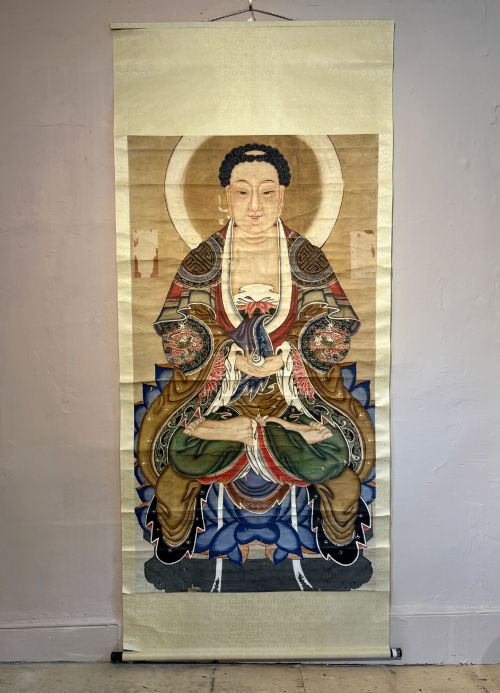
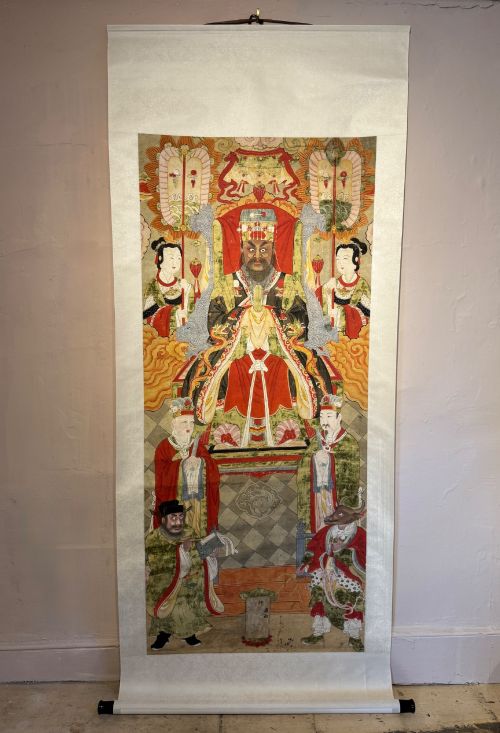
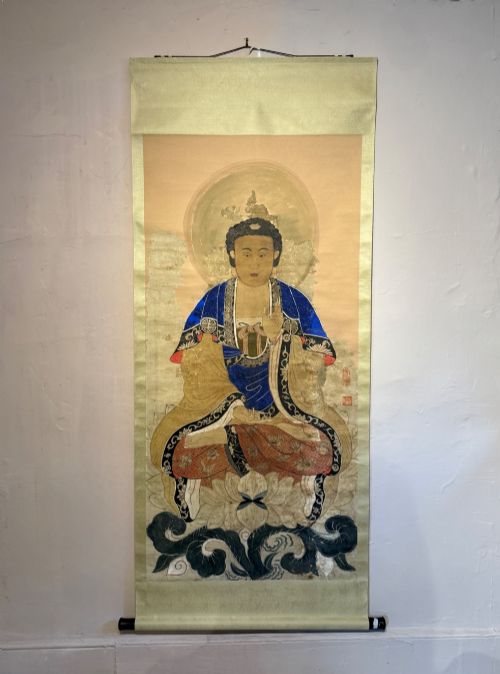
Framed sets often group multiple subjects together, such as butterflies or trading ships, presenting a comprehensive view of nineteenth-century artistic output. The variety spans small album leaves to large hanging scrolls and ancestral portraits.
How They Were Made
Artists utilised watercolours, gouache, and ink applied to prepared surfaces like pith paper, often erroneously called rice paper, and woven silk. Pith paper absorbs pigments deeply, imparting a characteristic velvety texture and luminous quality to the colours.
Reverse glass painting required meticulous skill, as the artist painted the entire composition in reverse directly onto the back of the glass panel before viewing it from the front. Silk works demanded precise brushwork to control ink flow across fine threads.
Mounting and framing protected these fragile organic materials, with many historic pieces retaining original silk brocade borders or carved wooden frames.
19th Century Chinese Painting Retail Price Guide 2026
Typical asking prices for 19th century chinese painting among the pieces listed under this phrase on Sellingantiques today, from the lower quarter to the upper quarter. They describe what is for sale here now, not the wider market.
Nineteenth-century artists occasionally painted dozens of distinct butterfly species onto a single sheet of pith paper to satisfy European collectors.
What Varies in Quality
The precision of the brushwork and the vibrancy of the mineral pigments distinguish exceptional examples from standard workshop output. Master artists achieved remarkable detail in the rendering of bird plumage, facial expressions, and architectural elements.
Condition plays a major role in evaluation, as pith paper is inherently fragile and susceptible to humidity and tearing. Intact sheets with strong, unfaded colours and minimal staining represent the upper tier of survivals.
Compositional complexity and the inclusion of multiple figures or scarce subject matter, such as specific trade ships or court scenes, elevate the desirability of individual paintings.
The 19th Century Chinese Painting Glossary
- Pith paper
- A delicate material sliced from the spongy pith of the Tetrapanax papyrifer plant, commonly used for nineteenth-century export watercolours. It accepts vibrant gouache paints exceptionally well.
- Reverse glass painting
- An artistic technique where the image is painted backwards on the rear surface of a glass sheet. When viewed from the front, the colours display striking depth and gloss.
- Gouache
- An opaque water-based paint composed of pigment, water, and a binding agent such as gum arabic. It provides dense, saturated colour in export art.
- Qing dynasty
- The final imperial dynasty of China, ruling from the mid-seventeenth to the early twentieth century. Most works in this category date from its later decades.
- Export art
- Goods specifically produced in China for international trade and Western markets. These items often blend traditional Eastern techniques with Western compositional preferences.
19th Century Chinese Painting: Frequently Asked Questions
What is pith paper?
Pith paper is a delicate organic material harvested from the pith of a specialised plant native to southern China. Artisans sliced it into thin sheets to serve as a receptive surface for vibrant watercolours.
Because of its cellular structure, it absorbs pigments deeply, giving painted subjects a characteristic velvety appearance that collectors value today.
How should I care for silk paintings?
Silk paintings require careful environmental control to prevent the delicate fabric and ink from degrading. Keep them away from direct sunlight and maintain stable indoor humidity levels.
Framing should be executed behind UV-filtering glass with adequate spacing between the glazing and the artwork surface.
What subjects are most common?
The most frequent subjects include detailed studies of exotic birds, butterflies, insects, and flora. Maritime scenes featuring trading junks and figures engaged in daily life also appear regularly.
Portraiture and ancestral scenes represent another significant category, offering insights into historical dress and social rank.
How do I identify reverse glass paintings?
Reverse glass paintings display a distinct glossy sheen across the front surface, as the protective glass layer sits directly over the pigment. Details in the foreground were painted first, unlike standard canvas or paper works.
Examining the edges often reveals the underlying glass pane and protective backing materials used to secure the panel.