

Framed Oriental Wall Art
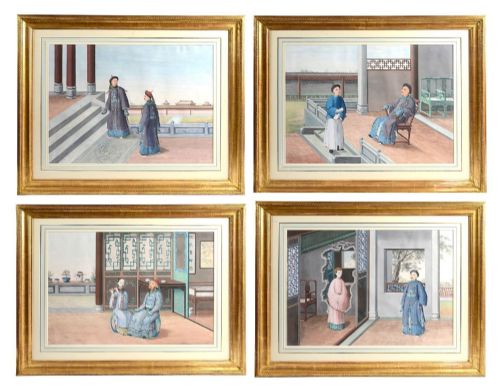
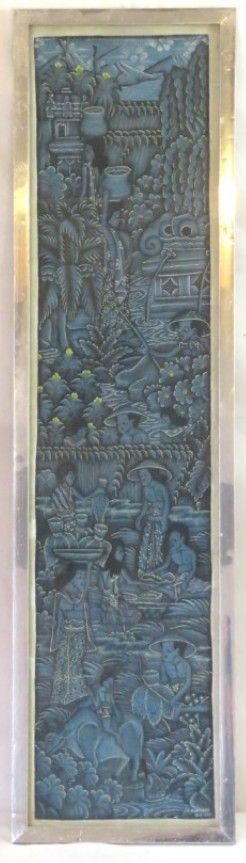
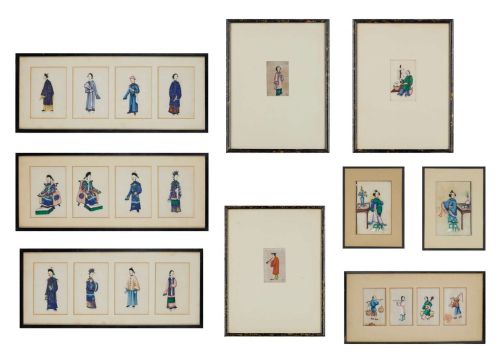
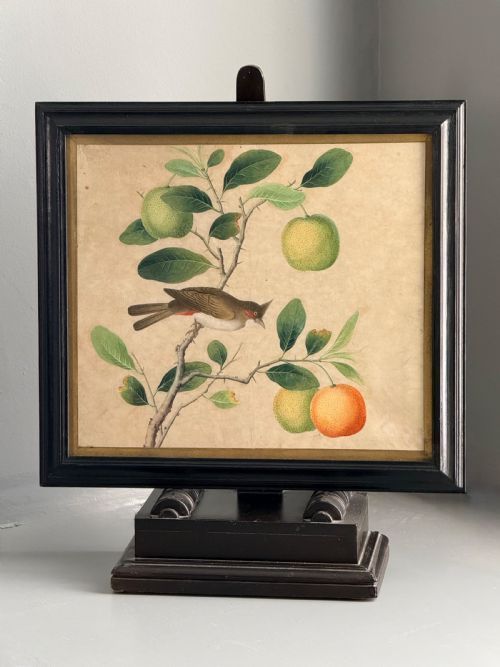
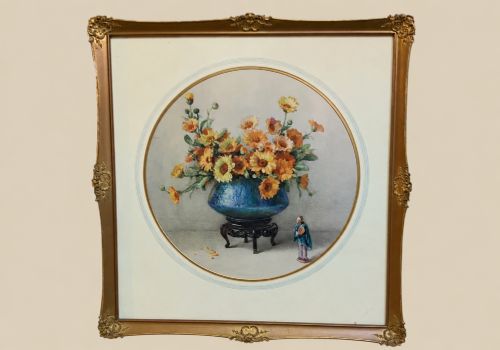
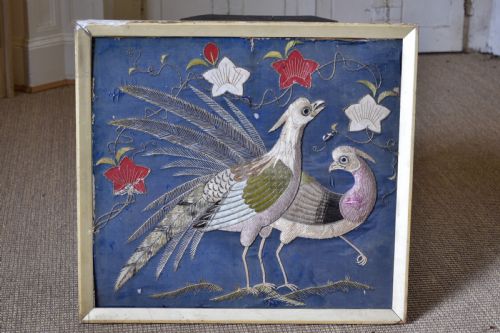
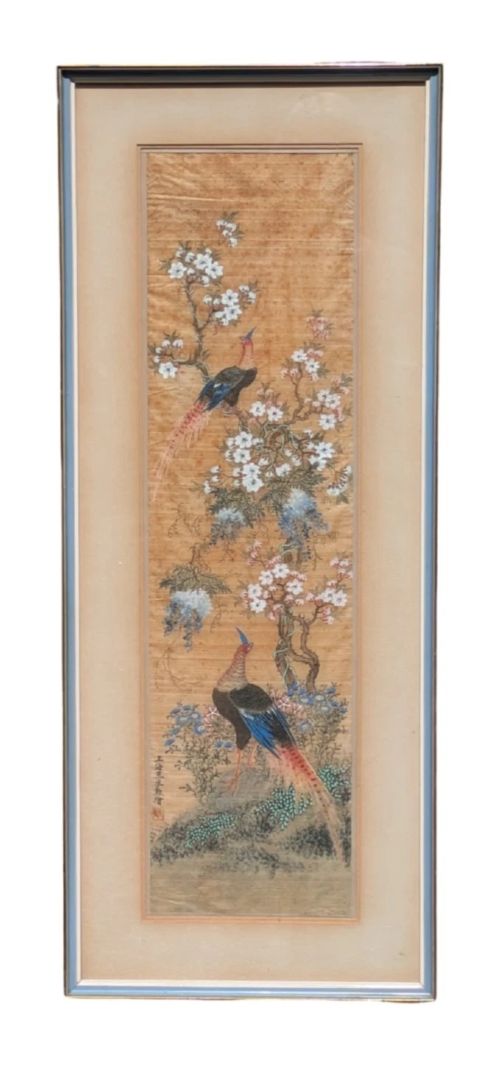
These framed oriental wall art pieces span centuries of meticulous detail, bringing hand-painted silk, pith paper and woodblock prints into modern interiors.
Framed Oriental Wall Art
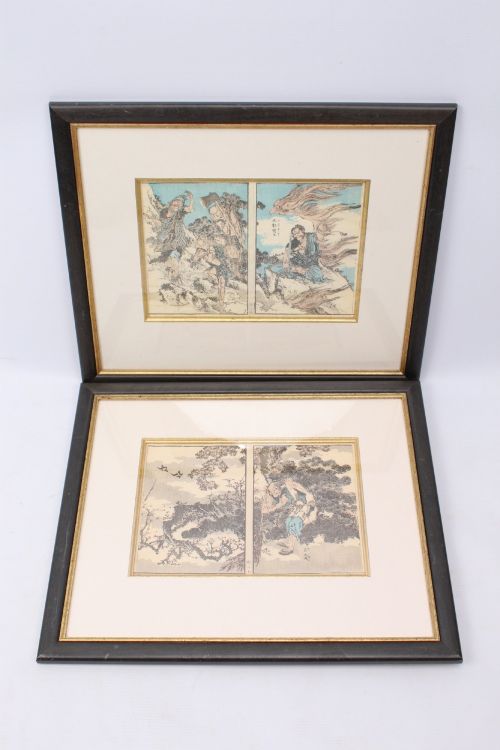
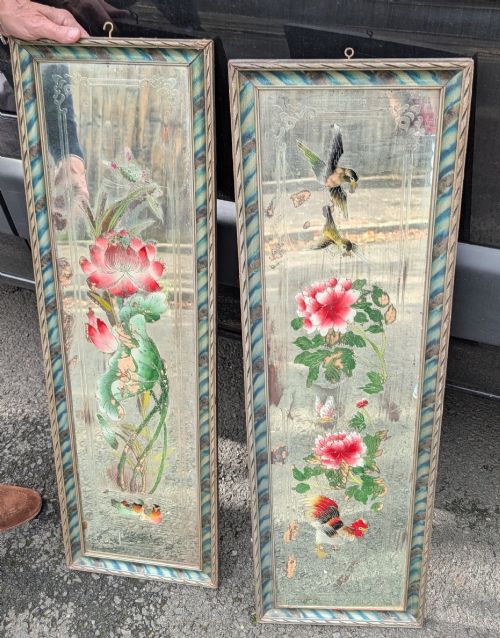
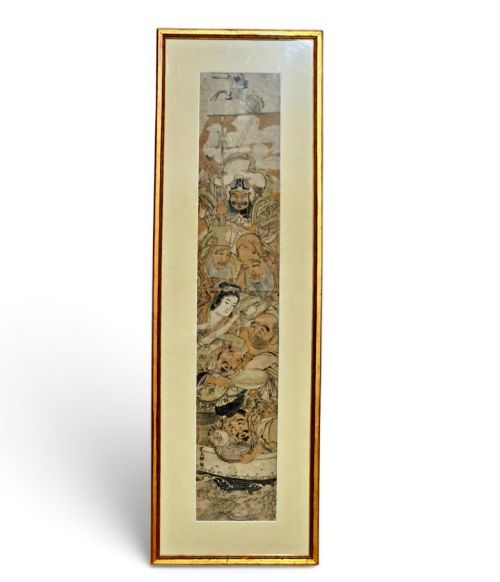
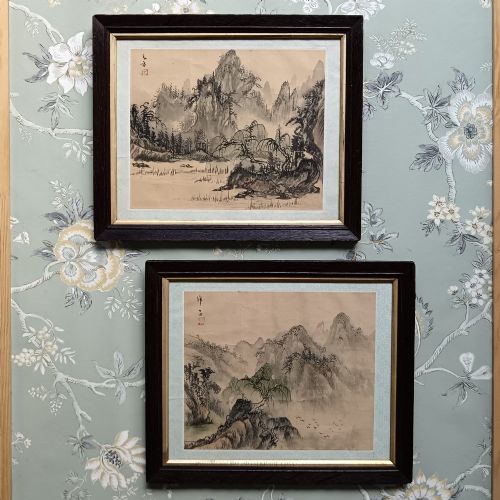
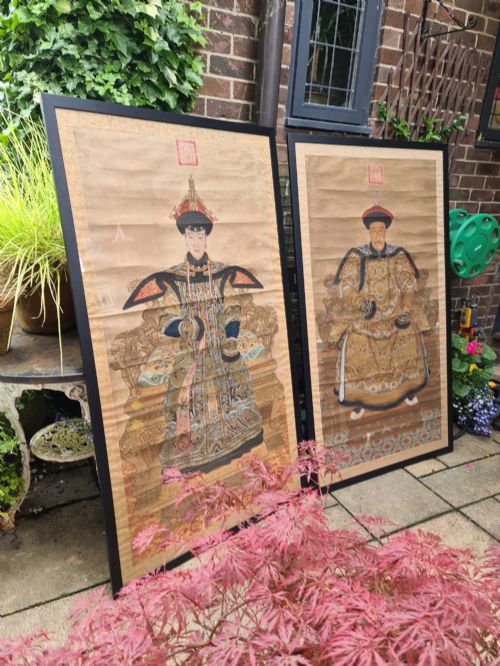
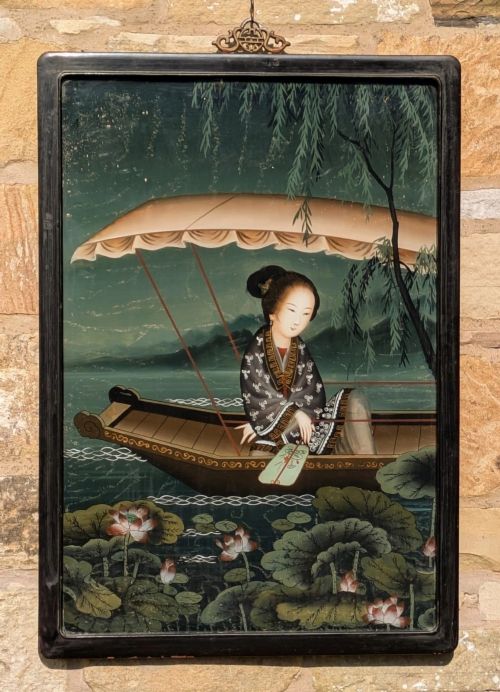
Framed oriental wall art comprises a diverse range of historical pieces, extending from delicate 18th century gouache paintings on pith paper to vibrant Japanese woodblock prints and Chinese silk embroidery. Buyers searching this phrase encounter everything from traditional Chinese ancestral scrolls and reverse glass paintings to intricate lacquered panels inlaid with mother-of-pearl.
How They Were Made
Makers utilised organic materials such as silk, paper, pith, and wood, applying ink, gouache, watercolours, and pigments by hand. Many works incorporate specialised techniques like reverse painting on glass and meticulous hand-sewn silk embroidery.
Framing often utilises traditional methods including red lacquer, carved stone, and mother-of-pearl or abalone inlay to house panels, scrolls, and prints securely under glass.
Listings feature works spanning the 18th century, Victorian era, and 19th century, utilising silk, glass, pith paper, and wood.
What Varies in Quality
Quality rests upon the fineness of the hand-painted or carved detail, the preservation of pigments on delicate substrates like pith paper or silk, and the originality of the mounting or frame. Pieces executed with exceptional brushwork or intricate shell inlay display superior craftsmanship compared to simpler decorative items.
The survival of original glass, frames, and pigments over centuries significantly influences the desirability of a piece, as does the clarity and complexity of the pictorial composition.
Katsukawa Shunshō·Kitagawa Utamaro·Warwick Goble·Takabatake Kasho·Frederick Goodall
The Framed Oriental Wall Art Glossary
- Ukiyo-e
- A genre of Japanese art flourishing from the Edo period onwards, depicting scenes of everyday life and famous landscapes. These are often produced as woodblock prints.
- Pith paper
- A delicate material made from the pith of the Tetrapanax papyrifer plant, frequently used in 19th-century Chinese paintings for its unique texture.
- Reverse painting on glass
- An artistic technique where the image is painted directly onto the back of a glass panel and viewed from the front.
- Shan Shui
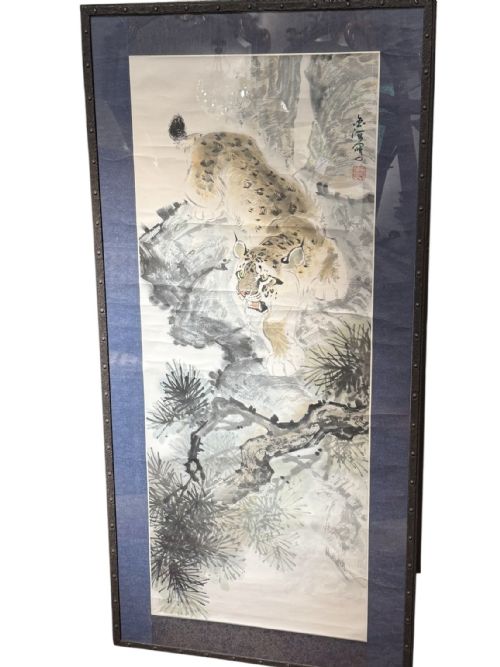
- Traditional Chinese landscape painting style featuring natural scenery such as mountains, rivers, and waterfalls using brush and ink.
- Ancestral scroll
- A formal portrait painting on silk or paper depicting family forebears, traditionally hung to honour lineages in Chinese culture.
Framed Oriental Wall Art: Frequently Asked Questions
How do I care for antique silk paintings?
Keep delicate silk and paper works out of direct sunlight to prevent the natural pigments from fading over time. Maintain stable indoor humidity levels to protect the organic textiles.
Ensure pieces framed behind glass remain sealed against dust and moisture, and avoid hanging them in damp areas such as kitchens.
How are woodblock prints made?
Woodblock printing involves carving an image into a wooden block, applying ink or pigment, and pressing it onto paper by hand. Multiple blocks are often used to achieve different colours.
This technique produced detailed series such as traditional Japanese ukiyo-e prints during the Edo and Victorian periods.
Are these pieces in original frames?
Many historical works retain their period frames, such as red lacquered wood, carved stone, or mounts adorned with mother-of-pearl inlay. Original housing enhances the historical integrity of the textile or painting.
Listings specify whether a scroll, painting, or mirror remains housed in its original mounting or antique frame.