


Oriental Watercolour Paintings
Oriental watercolour paintings bring together delicate brushwork and rich cultural histories, offering buyers a window into traditional techniques from across Asia.
Oriental Watercolour Paintings
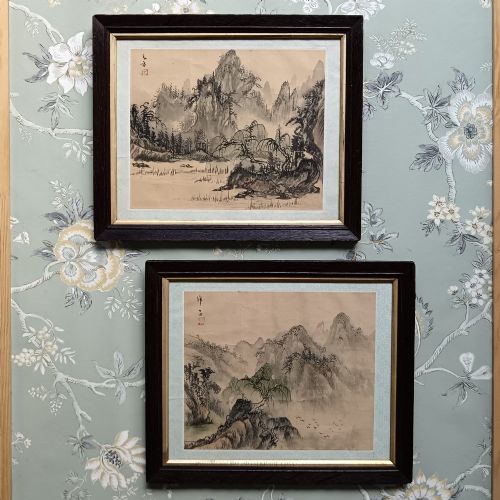
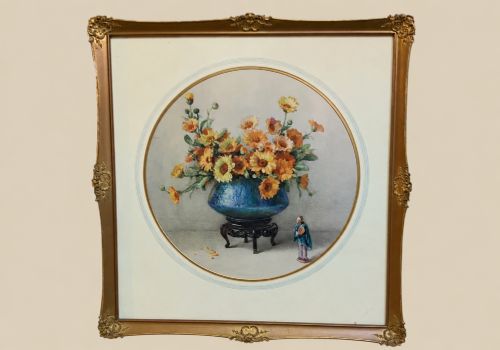
When you search for oriental watercolour paintings, you encounter a diverse selection of works spanning multiple centuries and regions. The pieces listed range from delicate portraits and still lifes to traditional landscape scenes and figural studies.
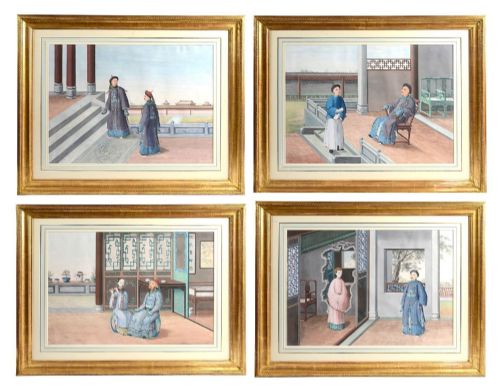
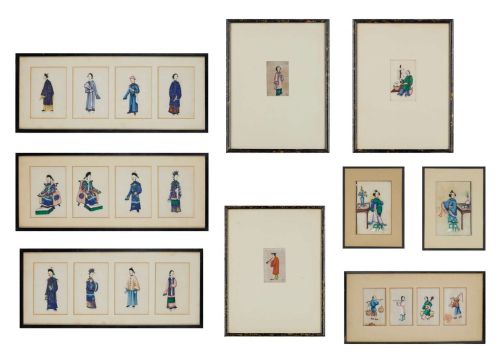
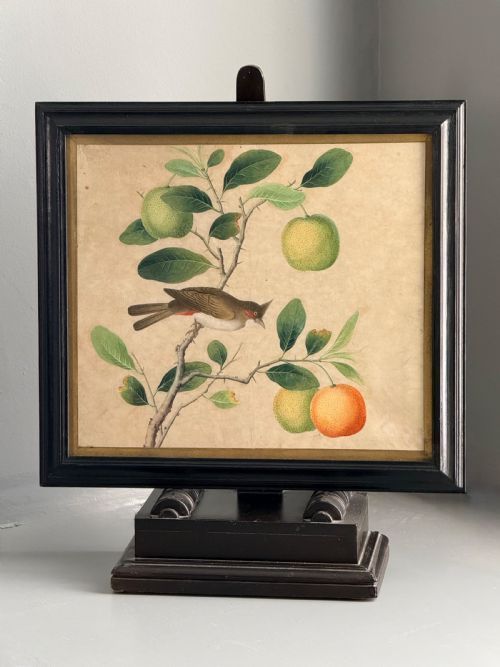
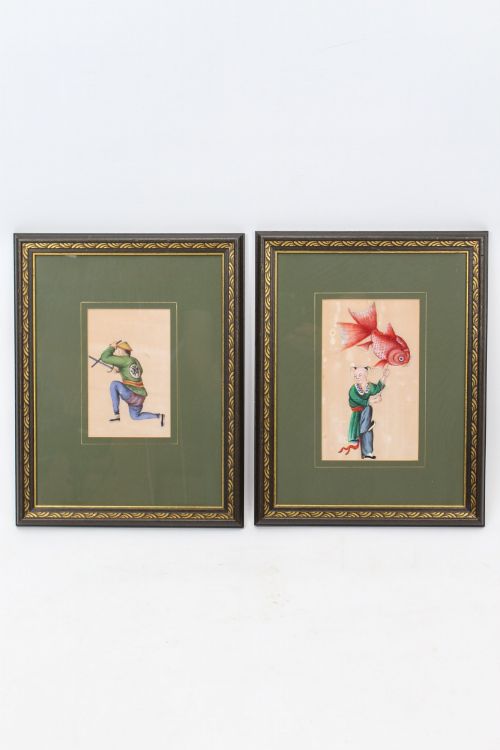
The most common examples on this page are Chinese works executed on pith paper or silk, often dating from the nineteenth century. These include sets of export paintings, individual studies of flowers and insects, and framed compositions.
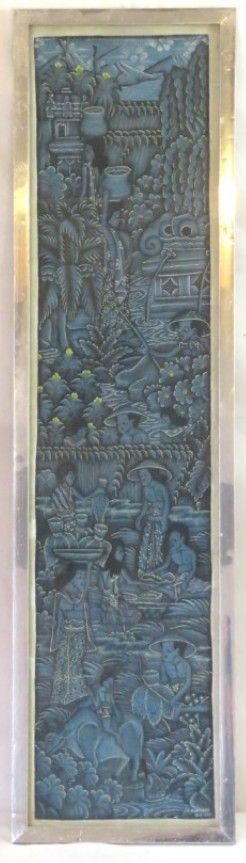
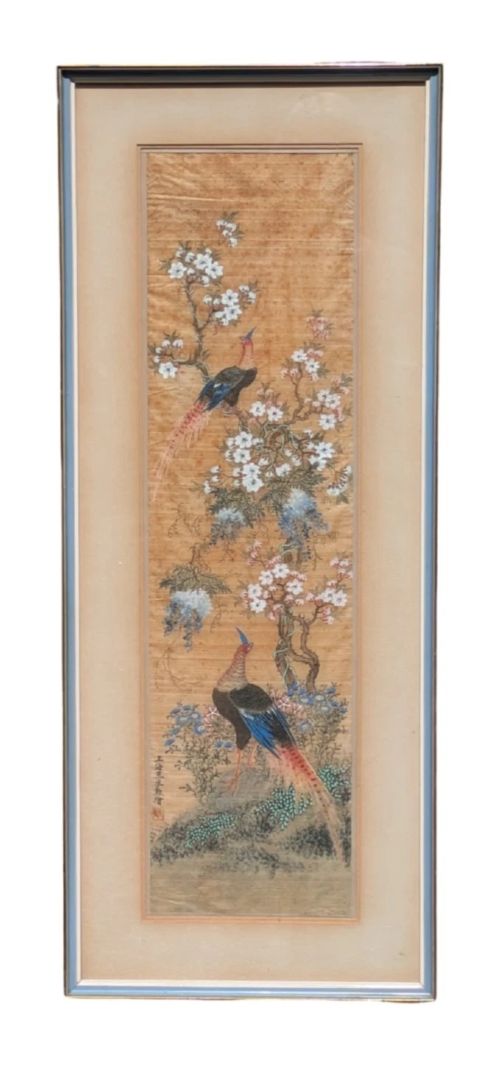
Beyond China, the selection extends to Japanese watercolours and silk paintings, Balinese works on fabric, and Mughal miniatures. Each regional tradition brings distinct subjects, from battle scenes and wildlife to imperial portraits.
What varies in quality
Quality in these works rests primarily on the finesse of the brushwork and the preservation of the delicate surfaces. Works featuring crisp ink definition and vibrant, stable pigment separation stand apart from faded or hastily executed examples.
The condition of the ground material significantly influences the overall merit of a piece. Intact pith paper without heavy fracturing, along with original frames and signed panels bearing artist seals, represents the higher end of the range.
Among the historical subjects preserved on silk are surprisingly fierce battle scenes fought entirely by frogs.
Ya Ming·Takashi Nakayama
The Oriental Watercolour Paintings Glossary
- Pith paper
- A delicate material formed from the spongy interior of the Tetrapanax papyrifer plant, commonly used for nineteenth-century export paintings. It has a velvet-like texture that absorbs watercolour and gouache brilliantly.
- Silk
- A woven protein fibre used as a painting support in many traditional Asian artworks. Silk grounds require careful mounting to prevent warping and allow fine ink and pigment detail.
- Gouache
- An opaque water-based medium containing pigment and a binding agent, often used alongside watercolour to create saturated highlights and dense areas of colour.
- Shan Shui
- A style of traditional Chinese painting that depicts scenery or natural landscapes using brush and ink. These works focus on the spiritual essence of mountains, rivers, and trees.
- Mughal miniature
- A small, highly detailed South Asian painting created on paper using refined water-based pigments. They often depict court scenes, flora, fauna, and portraits of emperors.
Oriental Watercolour Paintings: Frequently Asked Questions
What is pith paper?
Pith paper is a fragile plant-based material historically used for export paintings in China during the nineteenth century. It has a soft, absorbent surface that gives watercolour and gouache a distinctive velvety appearance.
Because the material is naturally delicate, works on pith paper require protective framing behind glass to prevent crumbling and breakage over time.
How should I frame them?
These works demand conservation-grade framing to protect sensitive supports like silk and pith paper from humidity and direct light. Using UV-protective glass and acid-free mounts prevents the paper from sticking to the glazing.
Keeping the paintings away from direct sunlight preserves the fugitive water-based pigments and prevents the delicate paper grounds from yellowing.
How do I date Chinese export paintings?
Dating often relies on the style of the mounting, the specific type of pith paper used, and historical dress or trade context. Nineteenth-century export works frequently appear in matched sets depicting trades, punishments, or botanical studies.
Signatures, artist seals, and framing materials also provide valuable clues, though many export pieces intended for Western markets remain unsigned.
Are silk paintings fragile?
Silk is a durable natural fibre, but painted silk requires careful handling due to the potential brittleness of aged pigments and backing adhesives. Changes in humidity can cause the silk ground to expand and contract.
Properly tensioned mounting within a stable frame protects the fabric from sagging and maintains the structural integrity of the painted surface.