


Japanese Figure Painting
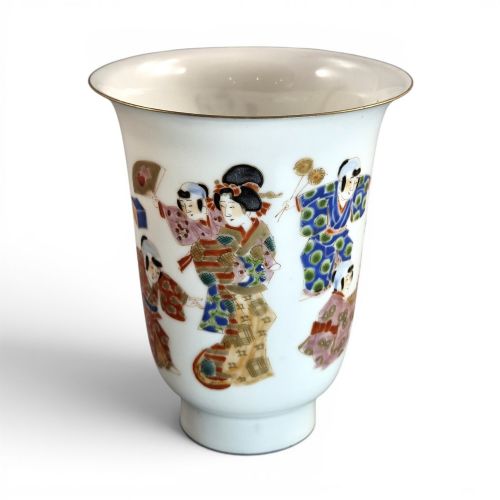
These pieces of Japanese figure painting capture the refined artistry of the Meiji and Taisho periods through hand-painted depictions of deities, warriors, and court figures on ceramics, porcelain, and paper.
Japanese Figure Painting
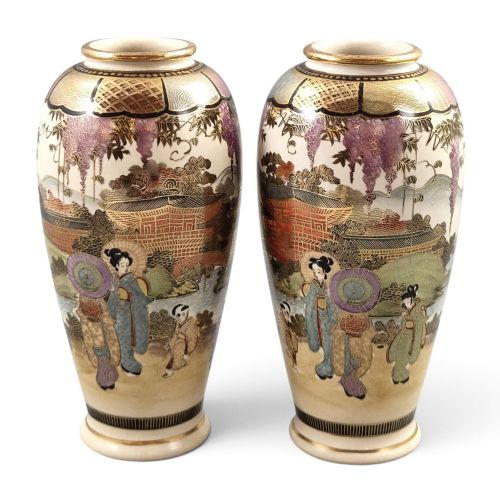
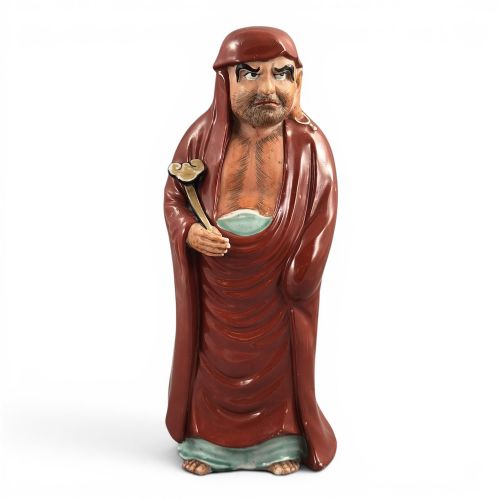
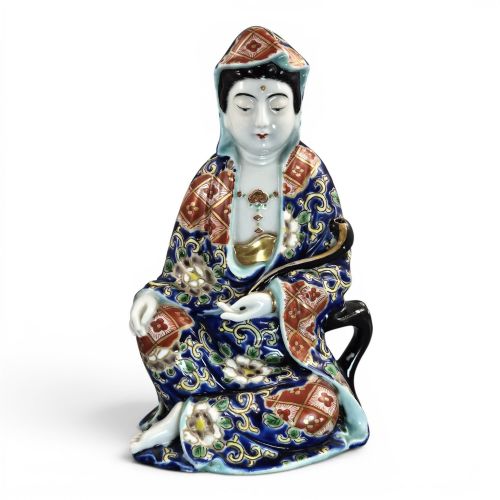
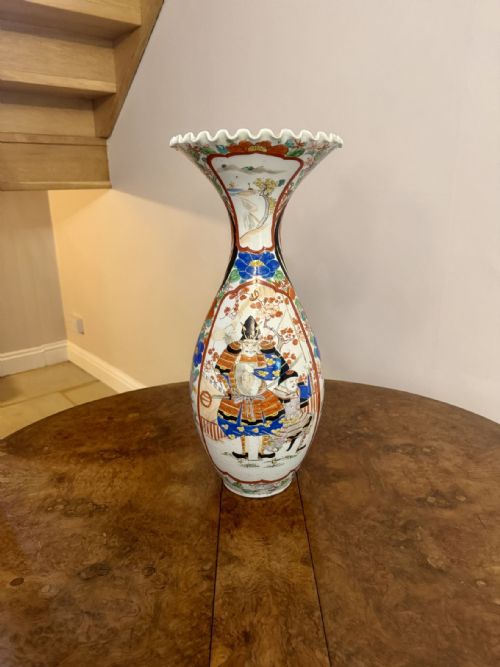
Japanese figure painting encompasses delicate ink works on paper alongside masterfully rendered human and divine subjects upon earthenware, porcelain, and Satsuma pottery. These works present figures such as Bodhidharma, Kannon, and traditional courtesans rendered with meticulous brushwork.
Buyers searching for this category most frequently encounter ceramic vessels, plates, and sculptural figures originating from the nineteenth and early twentieth centuries. Satsuma ware vases and Kutani porcelain figures dominate the selection, bringing detailed historical narratives into domestic spaces.
What Varies in Quality
The precision of the brushwork and the complexity of the narrative scenes distinguish finer examples from standard production pieces. Master artists achieved remarkable detail in facial expressions, drapery folds, and the application of gold leaf.
The clarity of the glaze, the richness of the enamel palette, and the crispness of studio signatures or artist marks further separate exceptional works from routine decorative items.
Listings feature works created across the 1880s, 1890s, and the Edwardian era, highlighting porcelain, earthenware, and enamel mediums.
Shozan·Hichozan Shinpo·Kinkozan·Tokyo Taizan·Meizan
The Japanese Figure Painting Glossary
- Satsuma
- A type of Japanese earthenware featuring a crackled ivory glaze decorated with polychrome enamels and gold gilt. It originated in the Satsuma Province and became immensely popular for export during the Meiji period.
- Kutani
- A style of Japanese porcelain and pottery known for vibrant overglaze colour palettes, typically featuring greens, blues, yellows, reds, and purples. Pieces often incorporate detailed figural scenes and bold geometric borders.
- Imari
- A traditional style of Japanese porcelain decorated in underglaze blue, iron red, and gold. These wares were produced in Arita and exported widely from the port of Imari.
- Okimono
- A small Japanese freestanding carving or ceramic figure intended for display in a household alcove or tokonoma. Subjects often include deities, mythological figures, and notable historical personalities.
- Meiji Period
- The era in Japanese history spanning from 1868 to 1912, characterised by the opening of trade with the West and a flourishing of decorative arts. Works from this time demonstrate exceptional technical skill and intricate ornamentation.
Japanese Figure Painting: Frequently Asked Questions
What is a Satsuma vase?
Satsuma vases are earthenware vessels characterised by their distinctive cream-coloured crackle glaze and elaborate overglaze enamel decorations. Artisans frequently embellished these surfaces with gold leaf to depict historical figures, deities, and traditional landscapes.
These pieces were produced primarily for export during the late nineteenth and early twentieth centuries. Their intricate narrative scenes make them a focal point in period interiors.
How do I identify Kutani porcelain?
Kutani porcelain is recognised by its vivid colour palette, which traditionally relies on heavy applications of red, green, purple, yellow, and gold. The surfaces often feature detailed figural paintings depicting figures such as Kannon or Daruma.
Many pieces bear specific studio or artist marks on the base, helping collectors trace their origin to specific kilns in the Ishikawa prefecture.
What does Meiji period mean?
The Meiji period spans the reign of Emperor Meiji from 1868 to 1912, marking a time of rapid modernisation and international trade in Japan. Craftsmen during this era reached unprecedented levels of technical mastery in ceramics, metalwork, and painting.
Antiques from this timeframe are celebrated for their dense ornamentation and meticulous attention to detail. They represent a bridge between traditional Japanese motifs and Western aesthetic demands.
How were figural ceramics displayed?
Figural ceramics and okimono were traditionally placed within a home's tokonoma, a raised alcove designed for appreciating art objects. Vases and decorative plates were similarly positioned to complement seasonal flower arrangements or scroll displays.
In Western homes during the Victorian and Edwardian eras, these pieces were showcased on mantelpieces and cabinets as exotic examples of fine craftsmanship.