


Blue Japanese Artwork
Blue Japanese artwork brings together delicate watercolours, vivid woodblock prints and intricate cloisonné enamel plates spanning the nineteenth and twentieth centuries.
Blue Japanese Artwork
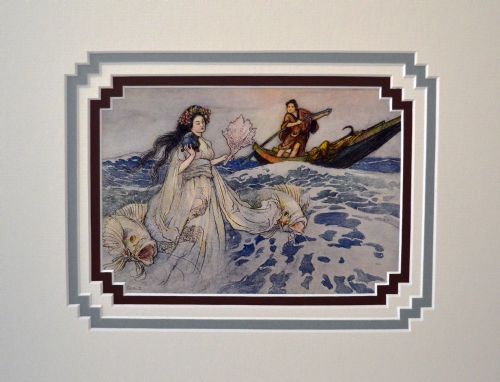
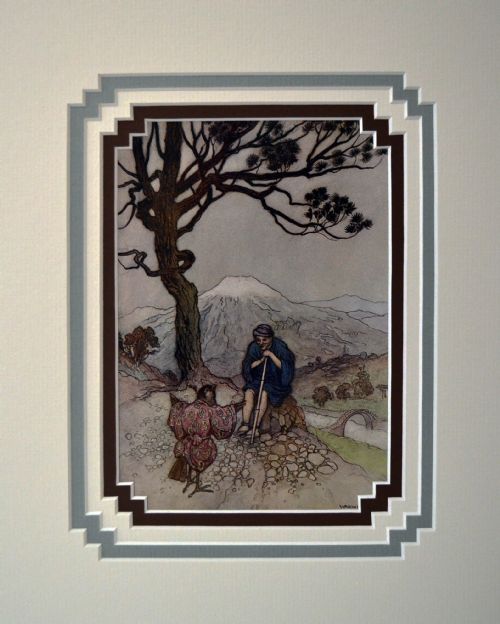
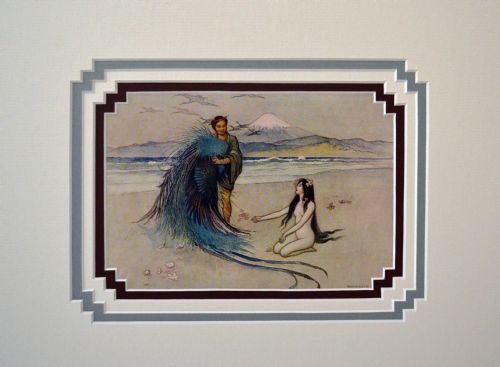
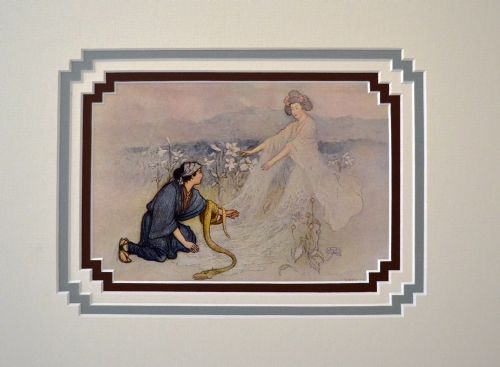
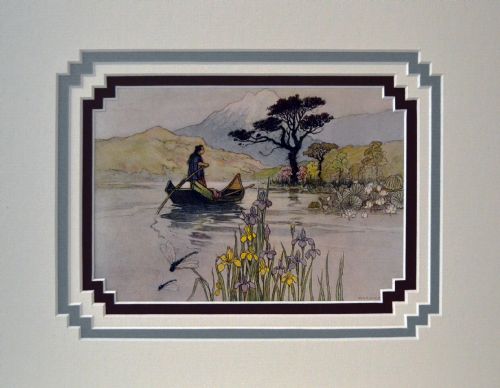
Blue Japanese artwork encompasses a diverse array of mediums, from Meiji period woodblock prints to Edwardian illustrations and mid-century oil paintings. Collectors searching for blue japanese artwork will frequently encounter nineteenth-century watercolours and printed fairy tale illustrations alongside enamel plates depicting dragons and koi.
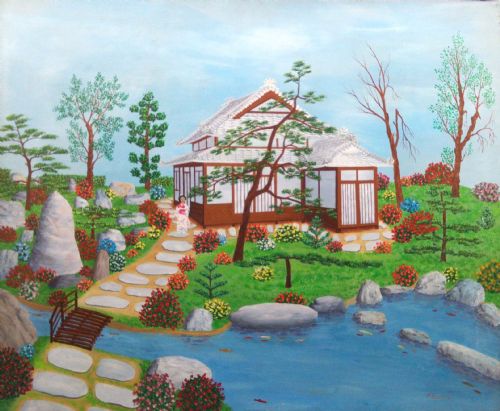
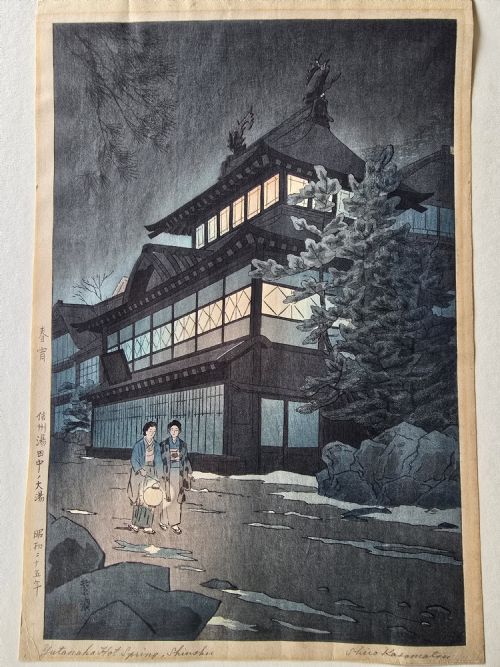
The objects span multiple distinct aesthetic movements including Shin-Hanga, Japonisme, and naive outsider art. Pieces range from early twentieth-century book illustrations to large mid-nineteenth-century chargers created during the Edo period.
Navigating this selection reveals works originating from traditional Japanese techniques as well as European interpretations of Japanese subjects. Each piece offers a distinct encounter with historical craftsmanship, utilising varied substrates such as paper, mount board, and copper.
Materials and construction
Paper and ink form the foundation of many prints and watercolours, capturing fine lines in woodblock and illustrative works. Artists applied pigmented inks to delicate sheets, often resulting in subtle gradations of tone.
Cloisonné enamel on copper represents a different technical tradition, utilising glass pastes fired within wire compartments to form landscapes and animal motifs. These metal plates combine enamelling skills with detailed pictorial design.
Oil on canvas appears in later naive interpretations, showing how European artists approached Japanese themes with textured brushwork. Mount board and glass frequently serve to protect the works on paper.
Leaping koi and dragon plates from Nagoya gaze out across the centuries, daring you to find a more determined fish.
Factors determining quality
The crispness of line and depth of pigment differentiate standard prints from masterworks. In woodblock prints and illustrations, clarity of impression and preservation of the original paper surface dictate the visual impact.
Enamel plates rely on the precision of the wirework and the smoothness of the fired surface. Superior cloisonné displays even coloration and intricate detailing within the design motifs without surface pitting.
Condition of the substrate and integrity of the medium govern overall desirability across all forms. Watercolours and prints retain more value when colours remain vibrant and free from heavy staining.
Shiro Katamatsu·Warwick Goble·Kunisada
The Blue Japanese Artwork Glossary
- Woodblock print
- A technique where an image is carved into a wooden block, inked, and transferred to paper. This method allowed multiple impressions of pictorial scenes to be produced.
- Shin-Hanga
- A twentieth-century Japanese printmaking movement that revitalised traditional ukiyo-e themes with Western influences. These works often emphasise atmospheric lighting and detailed perspective.
- Japonisme
- A Western artistic movement influenced by Japanese art and aesthetics during the late nineteenth century. It appears in European decorative arts and illustrations inspired by Eastern motifs.
Blue Japanese Artwork: Frequently Asked Questions
How should I hang framed paper prints?
Works on paper require protection from direct sunlight to prevent the fading of delicate inks and watercolours over time. Framing with UV-filtering glass helps preserve the integrity of the paper and pigments.
Positioning pieces away from high-moisture areas like kitchens protects both the paper substrate and any accompanying mount board from environmental degradation.
What is the difference between woodblock prints and watercolours?
Woodblock prints are multiple impressions created from carved blocks, allowing artists to produce repeated compositions with precise lines and flat colour areas. Watercolours are unique painted works executed directly on paper with fluid pigments.
Watercolours show individual brushstrokes and hand-mixed gradations unique to a single creation, whereas woodblock prints reflect collaborative publishing traditions.
How do I care for cloisonne enamel plates?
Cloisonné enamel plates benefit from gentle dusting with a soft, dry cloth to prevent accumulation on the wirework and glass surfaces. Avoid using liquid cleaners or abrasive materials that could scratch the enamel or tarnish the exposed copper elements.
Displaying these metal pieces on stable plate stands or secure wall mounts ensures they remain safe from accidental drops.
Can I identify the period of an artwork?
Examining the materials, framing methods, and stylistic conventions provides clues to an item's era. Meiji and Edo period pieces often display distinct traditional motifs and construction techniques characteristic of their time.
Signatures, publisher marks, and paper types also assist in narrowing down the date of creation when compared against known historical examples.