


Framed Asian Artwork
These framed asian artwork selections bring centuries of traditional painting, woodblock printing and textile panels into domestic spaces.
Framed Asian Artwork
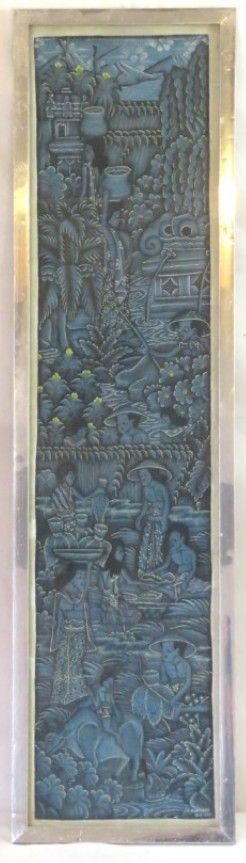
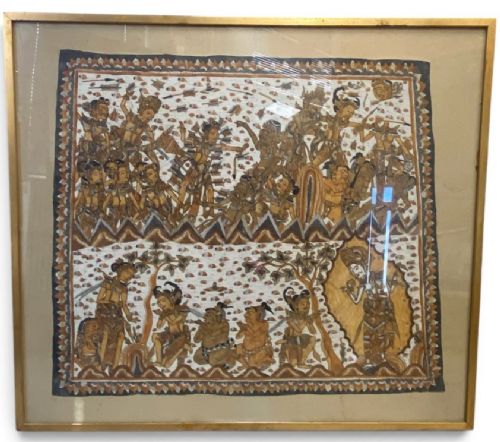
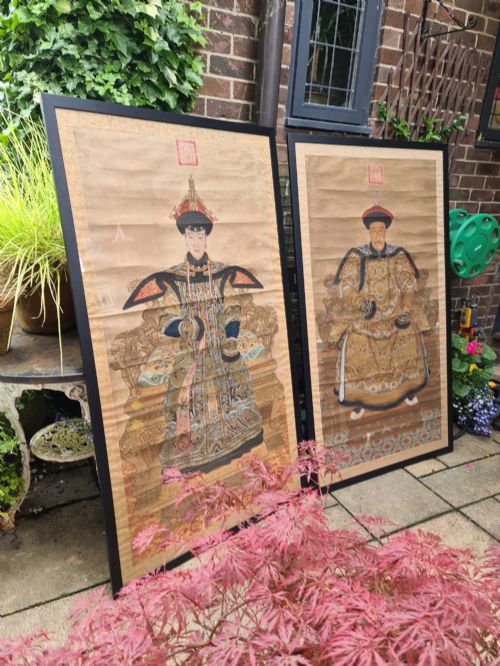
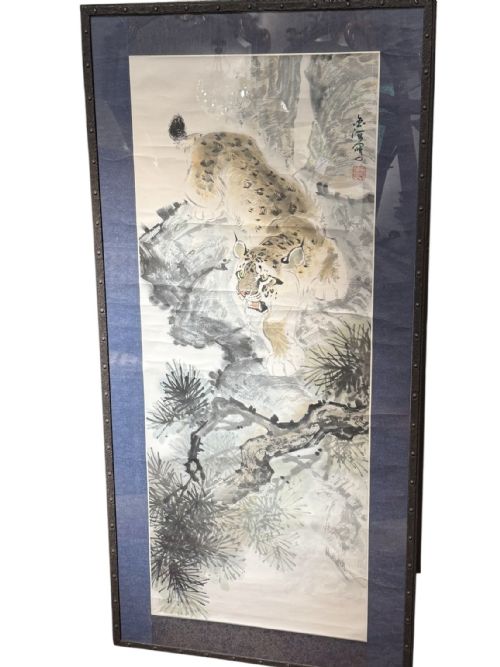
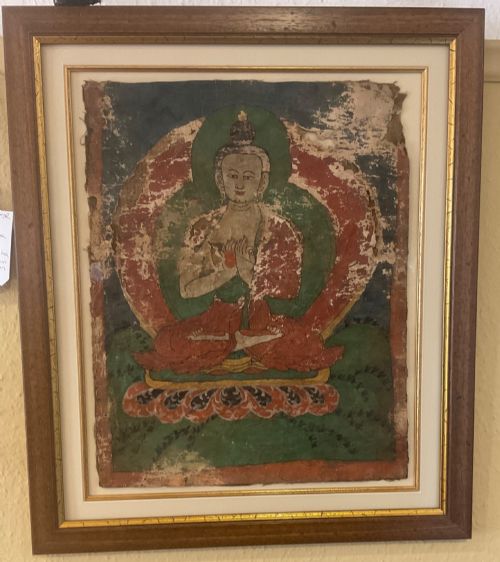
Framed asian artwork encompasses wall pieces originating from China, Japan, Bali and India across periods ranging from the seventeenth century through to the mid-twentieth century. Buyers encounter everything from traditional Chinese ancestor portraits and silk paintings to Japanese woodblock prints and Balinese textile works.
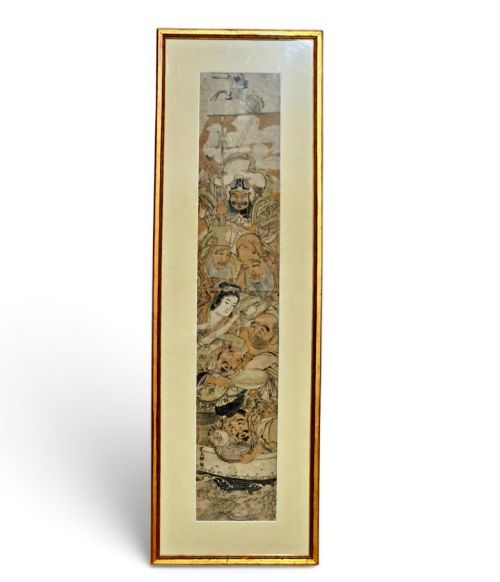
Dating primarily from the nineteenth and early twentieth centuries, these works reflect distinct regional schools and stylistic traditions such as the Edo period, Qing dynasty, and Ukiyo-e.
How They Were Made
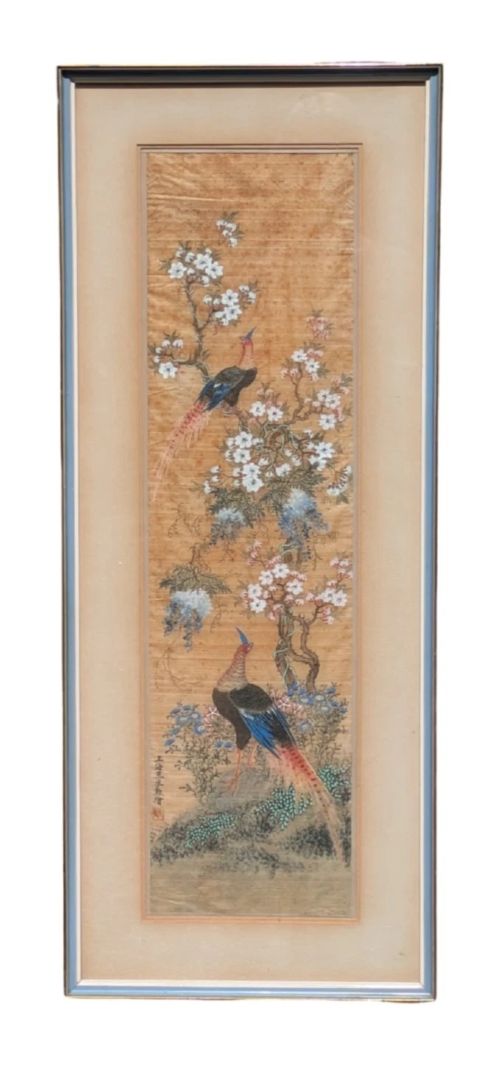
Makers utilised organic supports including silk, pith or rice paper, cotton textile, canvas, and wood panels, often mounting works beneath protective glass within original frames.
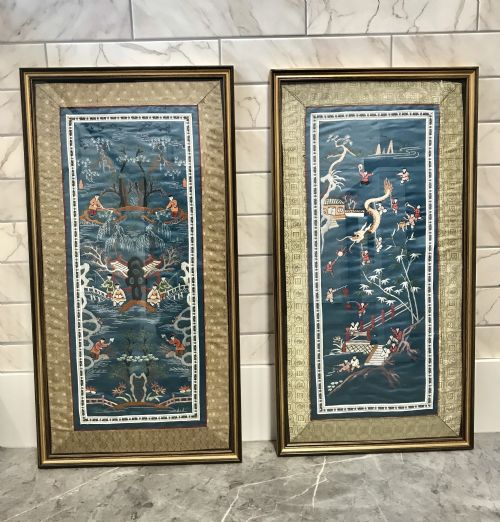
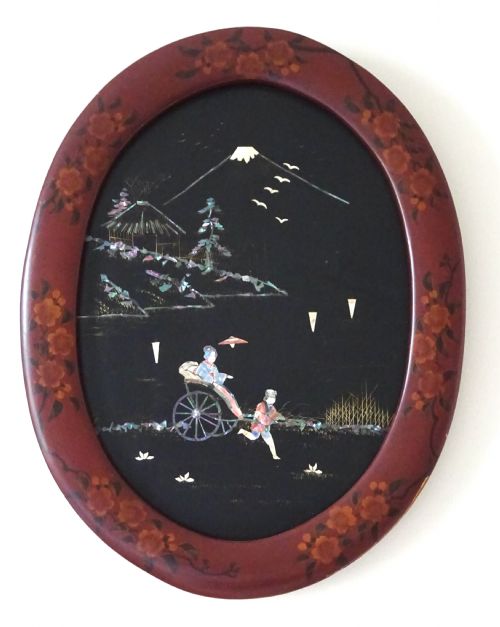
Pigments, ink, gouache, water colour, tempera and oil mediums were applied by hand, alongside meticulous silk embroidery and detailed shell inlay work in red lacquer.
Woodblock prints required carved wooden matrices to transfer ink onto paper, frequently finished with silk brocade mounts and rosewood framing.
Listings feature works spanning from the seventeenth century to the mid-twentieth century, created across China, Japan, Bali, and India.
What Varies In Quality
Quality rests in the precision of the brushwork, the vibrancy of surviving pigments and inks, and the integrity of delicate organic materials like silk and pith paper.
The sophistication of the composition and the preservation of original mounts, glass and frames elevate certain examples above standard decorative pieces.
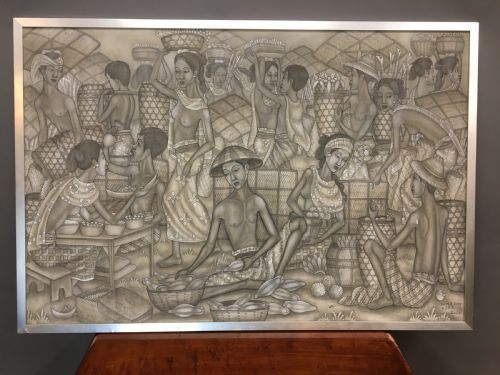
Works bearing clear artist signatures or originating from established traditions like the Ubud School or specific Tokyo studios demonstrate superior artistic execution.
Katsukawa Shunshō·Takabatake Kasho·Ah Hee Studio·Kunisada
The Framed Asian Artwork Glossary
- Woodblock print
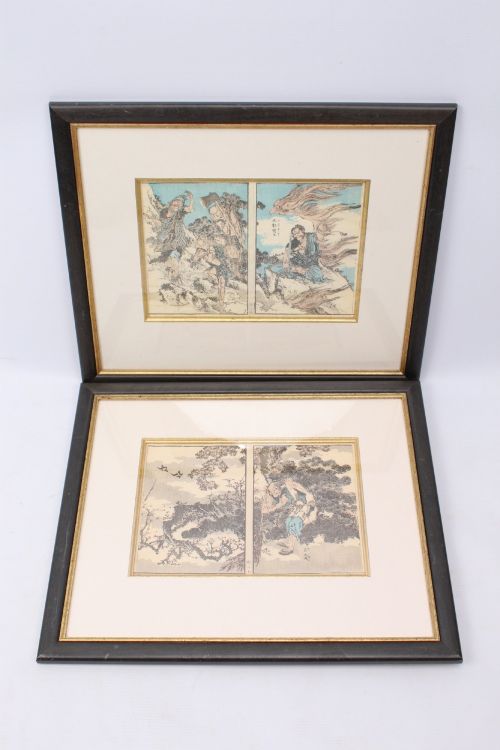
- An impression created from carved wooden blocks, widely utilised in Japanese Ukiyo-e artistic traditions. These prints frequently depict historical figures, landscapes and scenes from traditional theatre.
- Pith paper
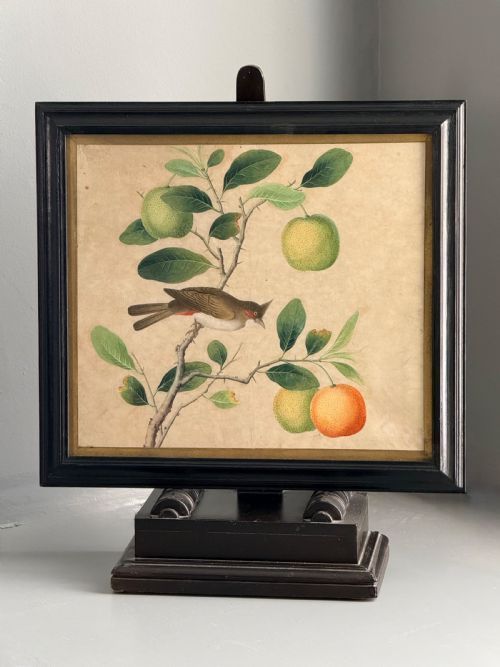
- A delicate material formed from the pith of the Tetrapanax papyrifer plant, commonly used in nineteenth-century Chinese export paintings. Pigments applied to this surface display a characteristic luminous quality.
- Ancestral scroll
- A formal portrait painting commissioned to honour family forebears, typically rendered on silk or paper. These works served important commemorative functions within traditional households.
- Reverse painting on glass
- A technique where the image is painted directly onto the rear side of a glass panel and viewed from the front. This method produces a glossy finish and deep colour saturation.
- Batik
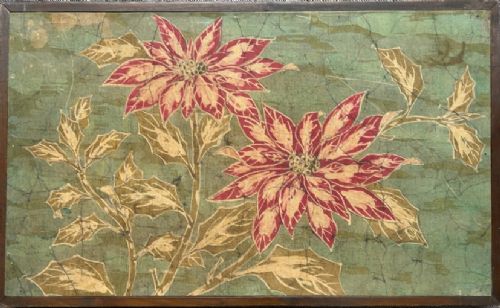
- A textile decoration method utilising wax-resistance dyeing to create intricate patterns on fabric. Mid-century examples often display vibrant floral or botanical motifs.
Framed Asian Artwork: Frequently Asked Questions
How do I hang antique silk paintings?
Silk paintings require positioning away from direct sunlight to prevent the fading of delicate pigments and the degradation of textile fibres.
Maintaining stable indoor humidity levels protects both the organic fabric supports and the wooden or lacquered frames.
What is Ukiyo-e art?
Ukiyo-e refers to a genre of Japanese woodblock prints and paintings produced during the Edo period. The term translates to pictures of the floating world.
Subjects commonly include landscapes, historical tales, and figures from popular culture.
How are pith paper paintings cleaned?
Pith paper is extremely fragile and reacts poorly to moisture or chemical cleaning agents. Dust should be removed only by a professional conservator using gentle methods.
Keeping these works securely sealed under glass remains the best preventative measure.
What is a Shan Shui painting?
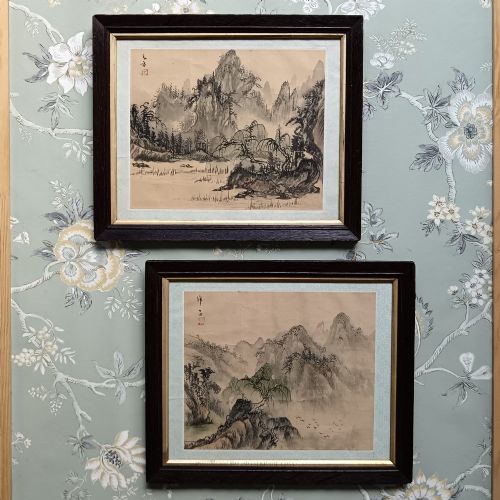
Shan Shui translates to mountain-water and represents a traditional style of Chinese landscape painting. These works focus on natural scenery rather than realistic topographic accuracy.
Artists use ink and brushwork on silk or paper to evoke the spiritual essence of mountains and rivers.