
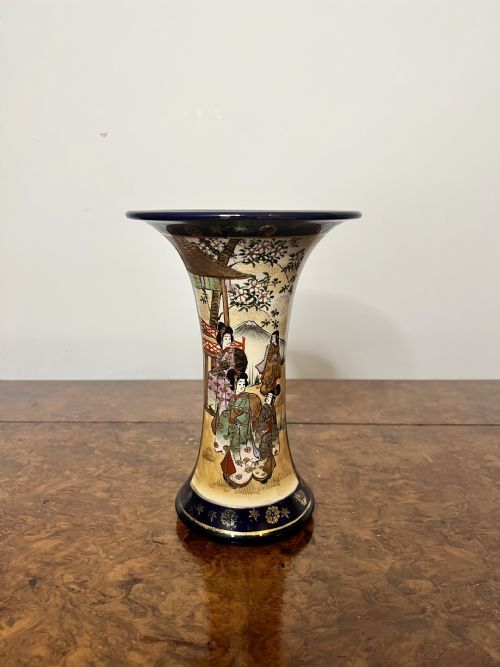


Japanese Geisha Painting
These Japanese geisha painting works capture the elegance of traditional figures through delicate pigments and gold leaf.
Japanese Geisha Painting
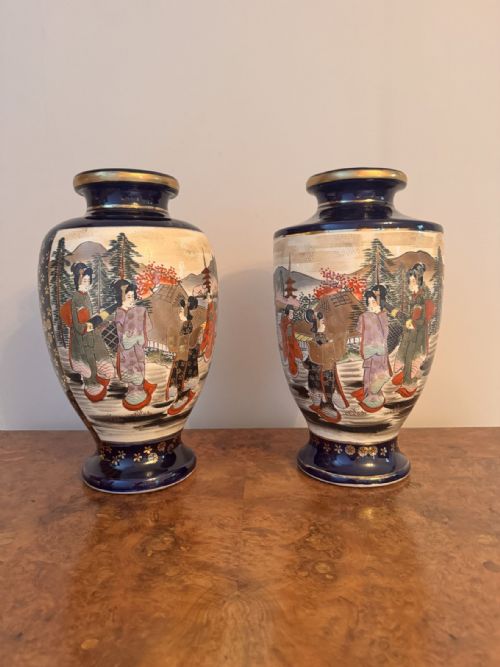
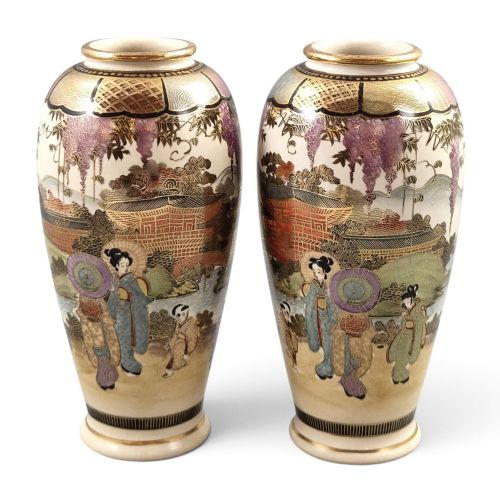
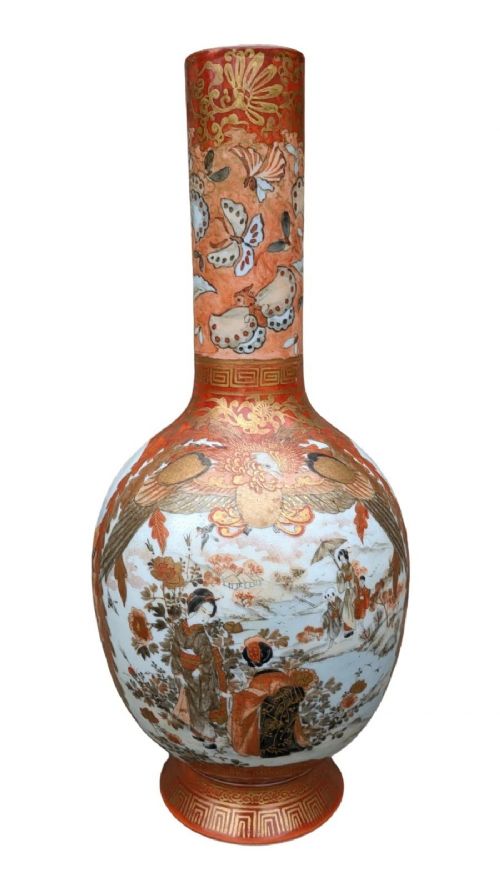
When searching for a Japanese geisha painting, collectors encounter delicate works on silk alongside related ceramic forms like Satsuma and Kutani vases depicting traditional women. These pieces bridge multiple periods, spanning the nineteenth century through the early twentieth century.
Originating primarily from the Meiji and Taisho periods, these items reflect the traditional aesthetic movements of their time. Buyers frequently find Satsuma ware and Kutani porcelain alongside works on paper and silk.
Materials and Technique
Makers applied paint and gold leaf to surfaces such as silk, glass, porcelain, and earthenware. Watercolour techniques allowed for fine detail in the depiction of traditional garments and facial expressions.
Ceramic pieces often incorporate intricate enamel work and gilt highlights applied over earthenware bodies. Painters and ceramists utilised traditional methods passed down through generations of workshops.
Listings feature items from the nineteenth century, 1900, 1920, and 1930 periods, executed in paint, gold leaf, porcelain, and earthenware.
Assessing Quality
In ceramic items, the clarity of the enamel and the application of gold leaf determine the distinction between standard production and finer studio pieces.
Takabatake Kasho·Shozan·Kinkozan·Taniguchi
The Japanese Geisha Painting Glossary
- Geisha
- A traditional Japanese female entertainer skilled in arts such as dance, music, and conversation. These women became a central subject for painters and artisans.
- Satsuma
- A type of Japanese earthenware with a ivory-coloured, crackled glaze that is frequently decorated with polychrome enamels and gold. Workshops in Kyoto and other regions produced these wares for export.
- Kutani
- Japanese porcelain or earthenware distinguished by vibrant overglaze enamel colours, often featuring figurative scenes. This ceramic tradition dates back centuries in Ishikawa Prefecture.
- Imari
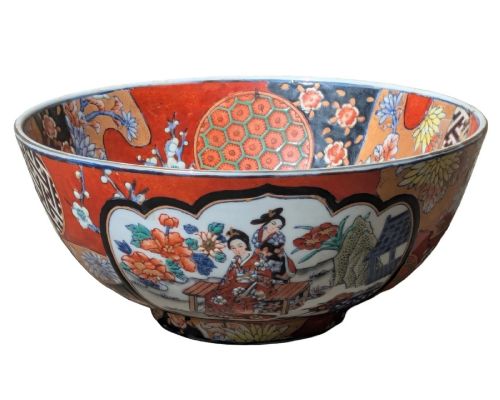
- Japanese porcelain decorated in underglaze blue and overglaze red, gold, and other colours. These export wares were manufactured for international markets.
- Bijin
- A traditional Japanese representation of a beautiful woman. The term encompasses depictions of court ladies, courtesans, and geisha in art.
Japanese Geisha Painting: Frequently Asked Questions
How do I care for silk paintings?
Keep watercolours on silk away from direct sunlight to prevent the pigments from fading over time. Frame them behind protective glass with conservation mounting.
Maintain a stable room temperature and avoid hanging them in areas with high humidity to protect the delicate fabric.
What periods do these pieces span?
The available selection covers the late nineteenth century through the early twentieth century. This includes the Meiji and Taisho periods when Japanese art gained significant popularity abroad.
Items from these eras demonstrate distinct stylistic shifts from traditional court scenes to more modern aesthetic influences.
How are Satsuma and Kutani different?
Satsuma ware is characterised by its earthenware body and crackled ivory glaze decorated with intricate enamel and gold. Kutani works are typically porcelain or earthenware known for bold, vibrant colour palettes.
Both traditions frequently depict figures like geisha and bijin but employ noticeably different clay bodies and glaze techniques.
Are these works signed by artists?
Some ceramic pieces and paintings feature signatures or seals denoting the maker or the studio of origin. These markings help attribute the work to specific historical workshops.
Unsigned pieces remain common, particularly among export items created for international trade during the late nineteenth century.