

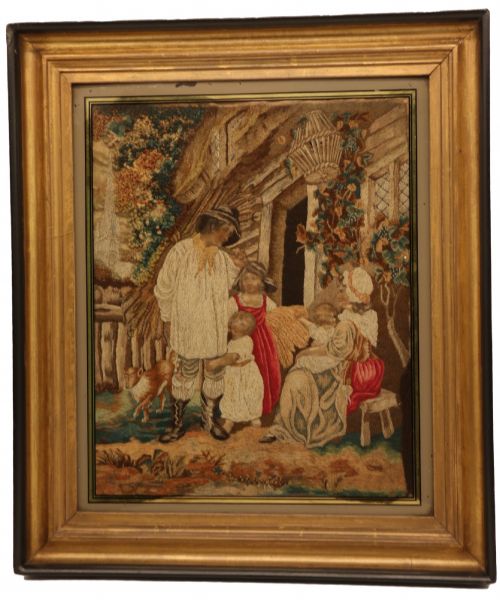
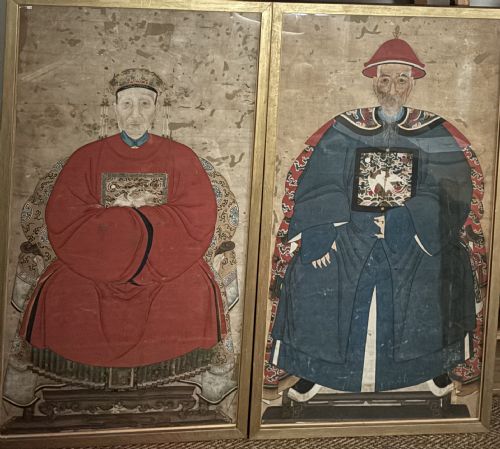


19th Century Silk Painting
These 19th century silk painting examples bring delicate textile grounds and fine pigment together, offering buyers a distinct visual texture found in few other mediums.
19th Century Silk Painting
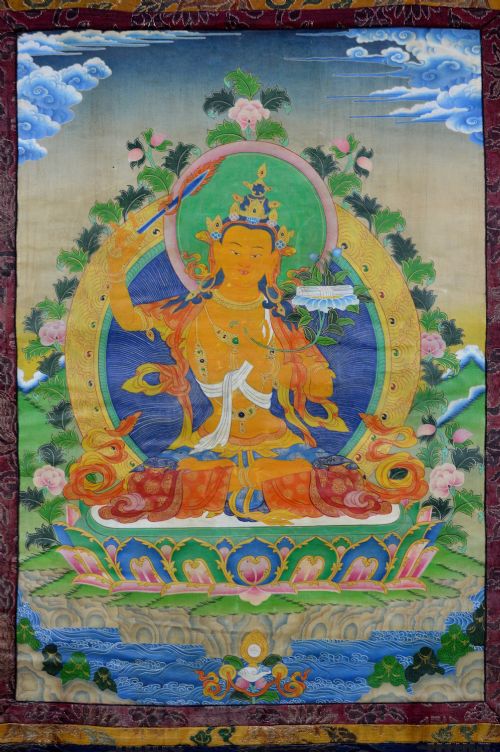
A 19th century silk painting brings together textile supports and traditional pigment, spanning subjects from Chinese export watercolours and ancestor portraits to Tibetan Buddhist art and Japanese geisha scenes. Buyers searching this phrase encounter both framed wall art and decorative items where silk forms the primary pictorial ground or surrounding element.
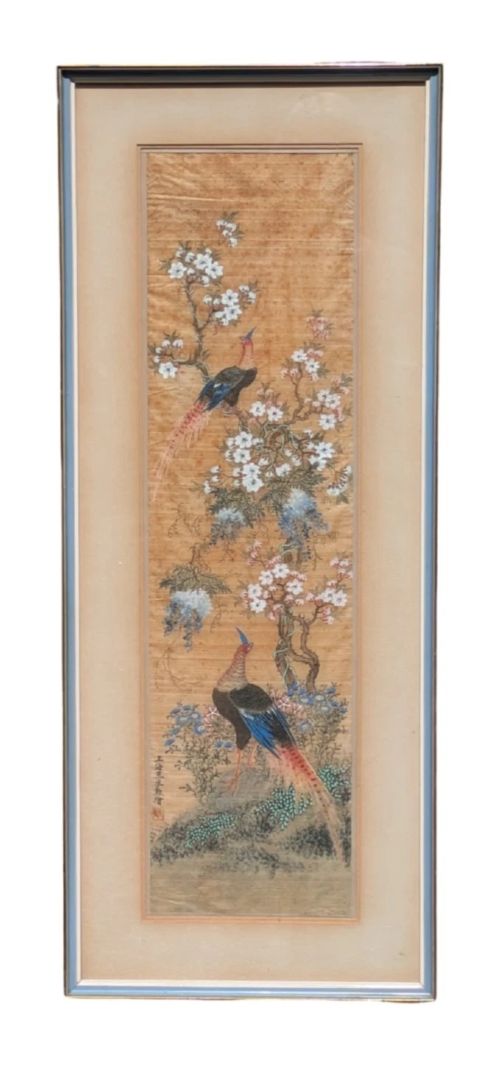
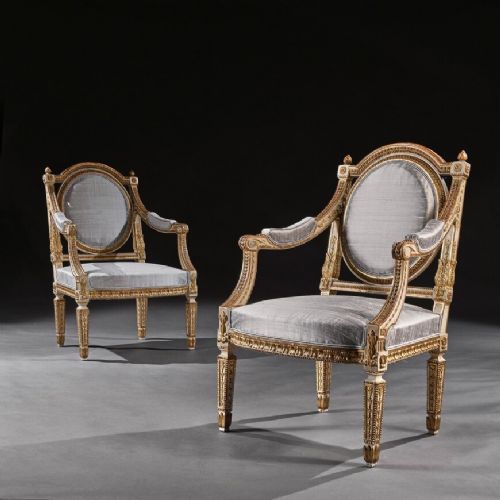
The selection ranges widely across geographical origins and stylistic traditions, including Qing dynasty works, English needlework pictures, Mughal Indian paintings, and Venetian neoclassical seating incorporating textile panels. Chinese watercolour paintings depicting artisans, birds, flowers, and pheasants appear frequently alongside portraiture.
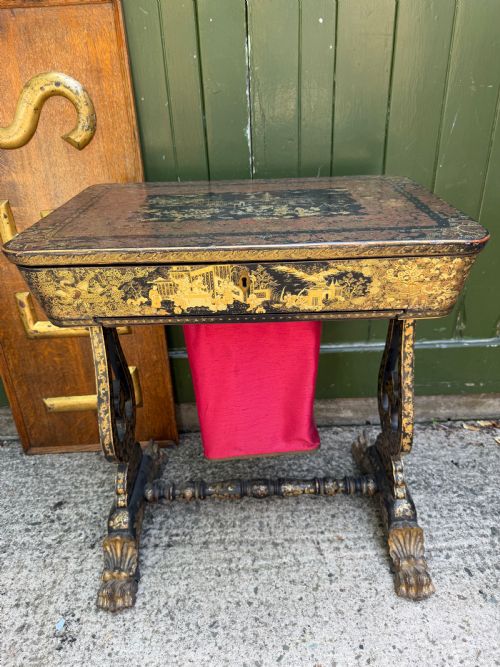
The materials associated with these pieces extend beyond simple fabric and paint to include wood, glass, gold leaf, paper, and giltwood frames. Forms vary from small framed artworks and wall hangings to larger furniture items such as armchairs, sofas, and sewing tables decorated with painted or embroidered silk.
What varies in quality
The refinement of the brushwork and the preservation of the delicate silk ground distinguish finer examples from simpler decorative pieces. Vibrant, stable pigments and original framing significantly elevate the integrity of a work.
The complexity of the composition, whether an intricate Tibetan Buddhist deity or a detailed Chinese ancestor portrait, demonstrates the artisan's skill in handling a notoriously unforgiving textile medium.
Several feathered subjects appear on silk, proving that 19th-century artists could capture the attitude of a pheasant just as easily as an emperor.
The 19th Century Silk Painting Glossary
- Qing Dynasty
- The last imperial dynasty of China, spanning the seventeenth to the early twentieth century. Many Chinese export paintings and ancestor portraits originate from this period.
- Chinoiserie
- European artistic style reflecting Chinese artistic influences, popular in decorative arts and furniture. It often appears alongside painted silk panels and lacquered surfaces.
- Neoclassical
- A Western stylistic movement drawing inspiration from classical antiquity, seen in Italian painted armchairs and gilded furniture. It emphasises symmetry, straight lines, and classical motifs.
- Giltwood
- Wood carved and treated with gold leaf or a metallic gilding process. This finish frequently borders framed silk paintings and decorative mirrors.
- Regency Period
- A British stylistic era defined by elegance and classical revival, associated with library chairs and simulated satinwood finishes.
19th Century Silk Painting: Frequently Asked Questions
How should I clean a silk painting?
Silk paintings require extreme caution because moisture and friction easily damage both the delicate textile fibres and water-soluble pigments. Dust should be removed very gently with a soft brush, avoiding any direct contact with the painted surface.
Professional conservators should handle any deep cleaning or restoration. Keeping these pieces away from direct sunlight prevents the silk from degrading and the colours from fading.
Are these paintings original or copies?
The inventory includes original period artworks created by hand, such as watercolour paintings, ancestor portraits, and watercolour studies on silk. Each piece relies on period materials and hand-applied pigments specific to its geographic origin.
Signatures, framing methods, and the natural ageing of the silk and pigments help differentiate authentic period works from later reproductions.
How do I frame a silk painting safely?
Framing must prevent the silk from touching the glass directly, as trapped humidity causes mould and adheres the textile to the glazing. Acid-free mounts and spacers provide the necessary separation inside the frame.
UV-filtering glass protects the fragile silk fibres and organic pigments from light damage over time. Original frames, where present, should be retained to preserve the historic context of the piece.
Where were these painted silk works made?
The pieces originate from diverse workshops across China, Japan, India, Tibet, and Europe. Chinese export art and ancestor portraits represent a significant portion of the global trade during this era.
European examples often combine needlework with painted silk, reflecting domestic craft and fashionable drawing room pastimes.