

Antique Asian Silk Art
When exploring antique asian silk art, collectors encounter rich embroidered wall hangings, detailed scroll paintings, and ceremonial textiles spanning the nineteenth and early twentieth centuries.
Antique Asian Silk Art
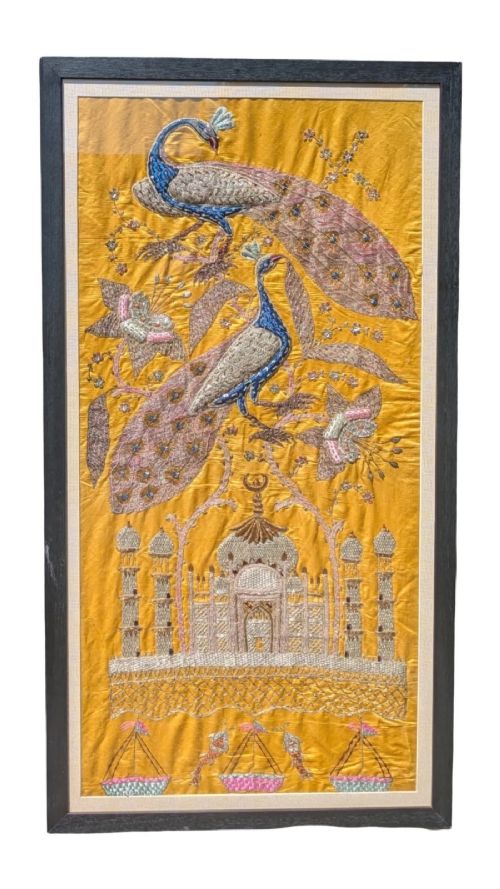
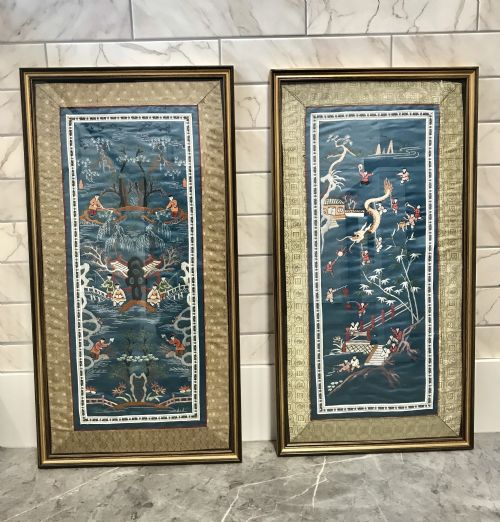
Antique asian silk art encompasses various textile works and paintings created across China, Japan, India, and Central Asia during the nineteenth and early twentieth centuries. Wall hangings, framed panels, and scrolls dominate the selection, often featuring intricate hand-stitched needlework or delicate pigment applications.
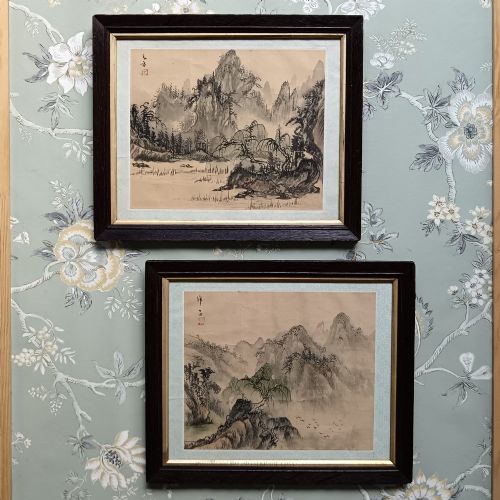
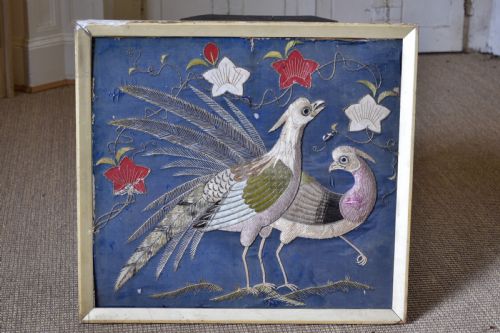
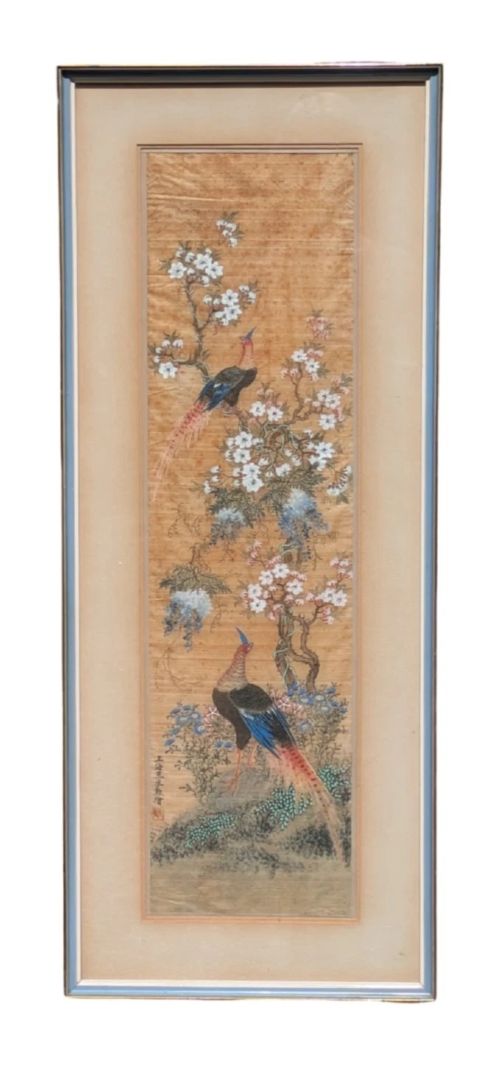
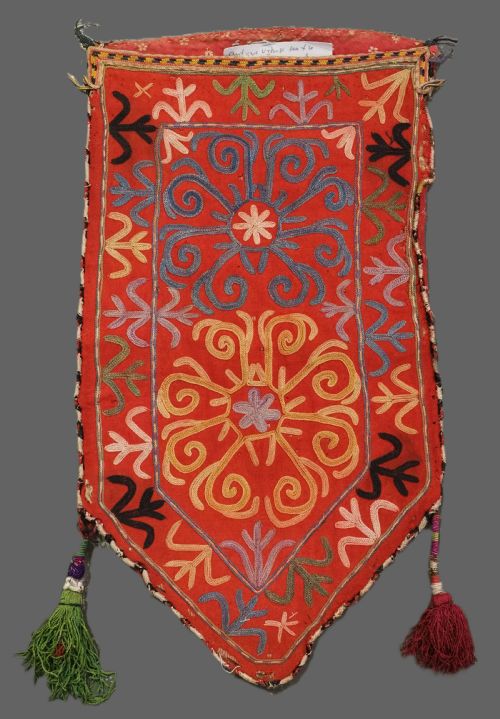
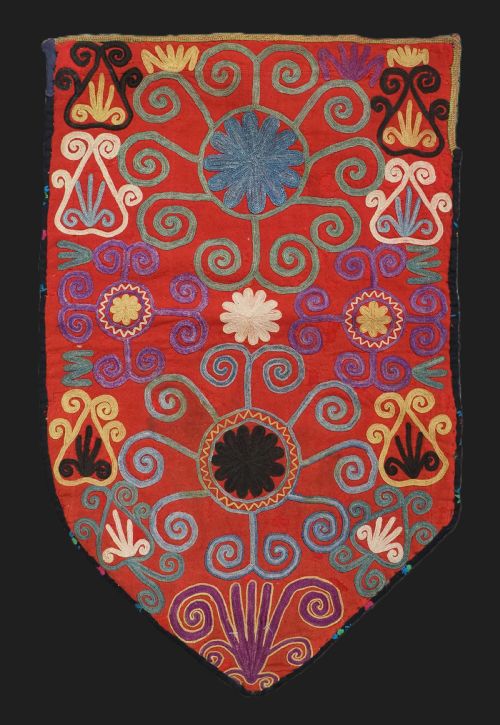
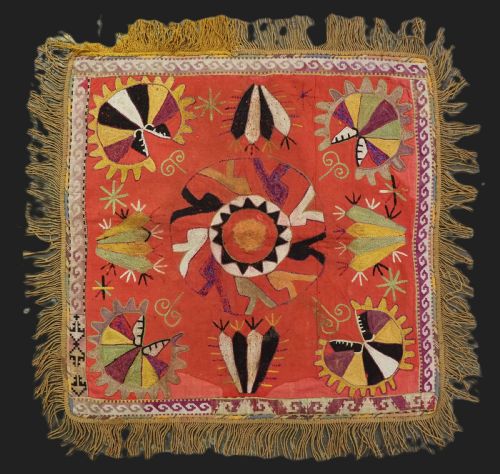
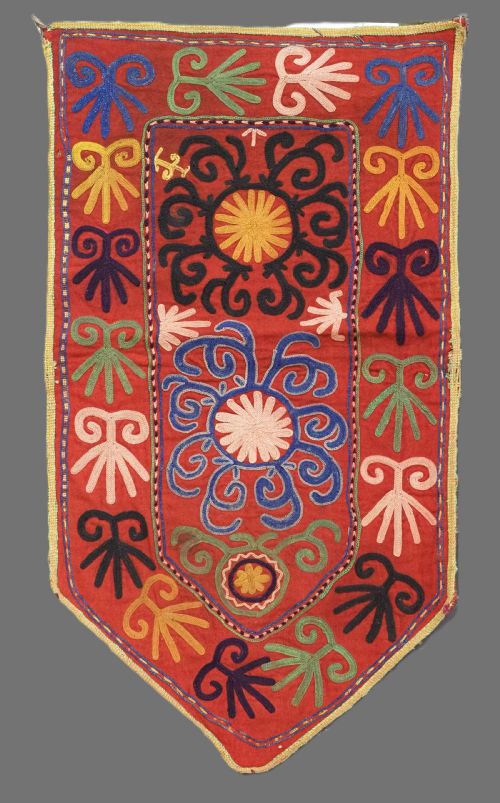
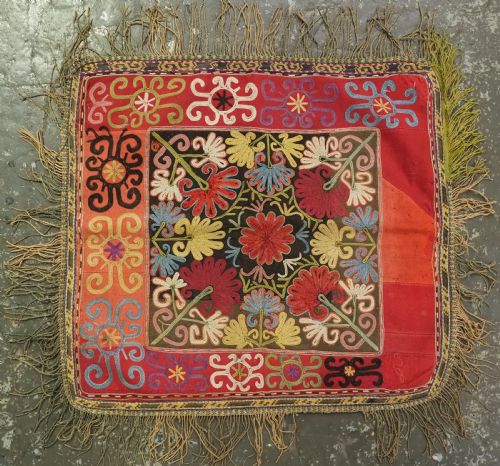
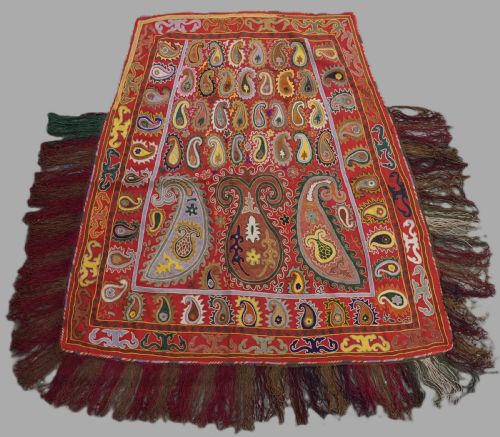
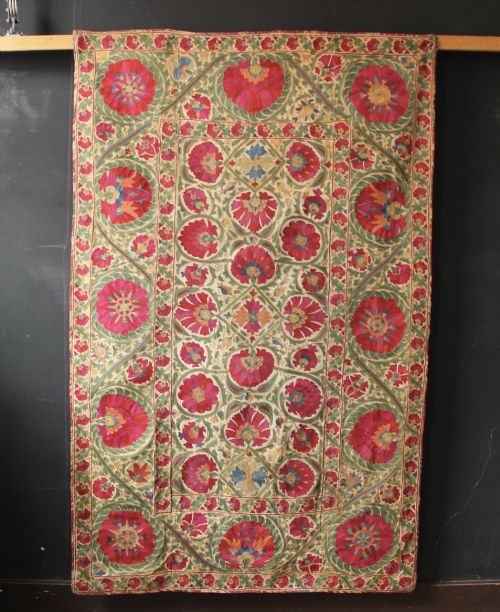
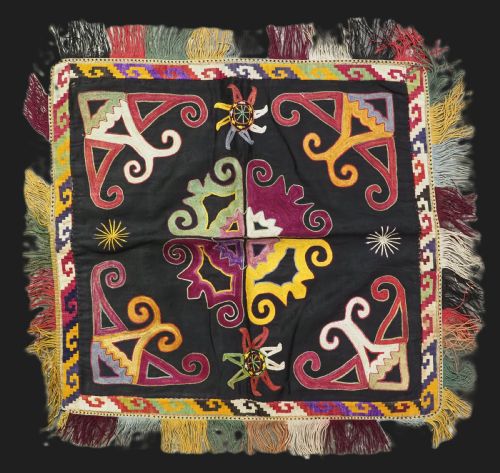
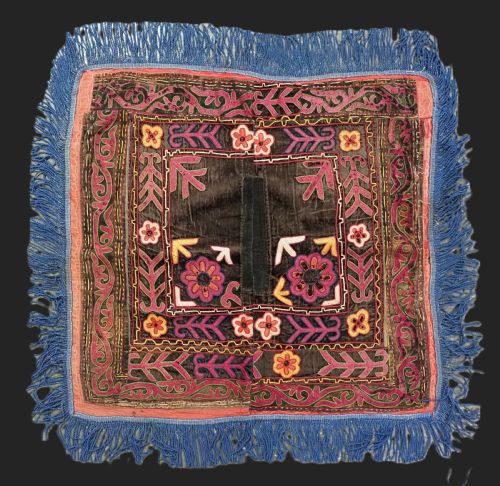
Central Asian examples frequently include tribal dowry embroideries, ceremonial horse covers, and vibrant suzanis originating from Uzbekistan and surrounding regions. Chinese and Japanese contributions showcase traditional watercolour paintings, pheasant and bird embroideries, and ancestral portraits mounted under glass or within original frames.
Buyers focusing on this category will find a strong representation of nomadic tribal pieces alongside refined court textiles. The selection bridges utilitarian garments repurposed as wall art and dedicated pictorial compositions designed for display.
How they were made
The foundation of these works relies on fine natural silk threads applied to supporting grounds of cotton, wool, or woven silk fabric. Artisans utilised hand-sewing techniques and precise embroidery stitches to build dense surface textures and pictorial depth.
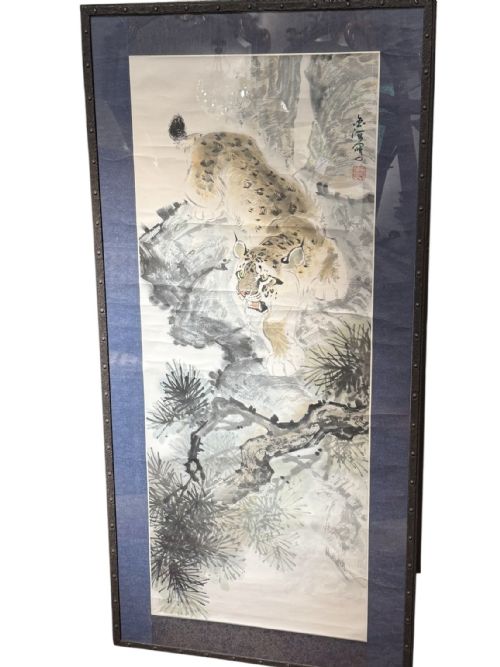
Pigments and inks provided the colouring for painted scrolls and watercolours, often applied directly to prepared silk panels framed in wood or mounted behind protective glass. Many Central Asian items combine silk embroidery with cotton foundations, employing quilted padding and woven backing structures for durability.
Materials recorded across the inventory include ink, pigment, paper, and hand-spun silk.
What varies in quality
The calibre of antique asian silk art rests upon the precision of the needlework, the complexity of the compositional layout, and the preservation of the original materials. Tightly executed embroidery with balanced chromatic arrangements generally distinguishes finer examples from simpler provincial pieces.
Survival of original frames, structural integrity of the ground fabrics, and clarity of painted details also influence the standing of an individual piece. Works retaining their initial scale, vibrant pigments, and untouched backing materials command greater appreciation among discerning collectors.
The Antique Asian Silk Art Glossary
- Suzani
- A traditional embroidered tribal wall hanging originating from Central Asia, typically worked in silk on a cotton ground with floral motifs.
- Ikat
- A dyeing technique where yarns are pattern-dyed before weaving, creating characteristic feathered edges on textiles and coats.
- Ilgich
- A specific form of Central Asian embroidery produced as a dowry piece or wall hanging by tribal groups such as the Lakai.
- Scroll
- A traditional East Asian painting or calligraphy format on silk or paper designed to be rolled or mounted for display.
- Torba
- A small ornamental wall pocket or bag produced by Turkmen and related tribal weavers, featuring decorative face panels.
Antique Asian Silk Art: Frequently Asked Questions
How should I hang antique silk art safely?
Protect delicate textiles from direct sunlight and heavy moisture to prevent fibre degradation and fading over time. Professional framing behind UV-filtered glass helps support fragile wall hangings without stressing the original stitching.
Ensure mounting weight is distributed evenly across the backing rather than relying on a single suspension point. Regular gentle dusting with a soft brush keeps surface debris from settling into the weave.
What is a suzani textile used for?
Suzanis traditionally served as ceremonial furnishings within Central Asian households, often marking significant life events such as weddings. Families utilised them as wall decorations, bedding covers, or threshold hangings in nomadic and settled homes.
Today, collectors primarily display these large embroidered panels as wall art to showcase the intricate needlework. Their bold botanical motifs bring warmth and historical texture to modern interior spaces.
How do I identify Central Asian tribal embroideries?
Look for dense, geometric or abstracted floral patterns worked in vivid silk threads upon contrasting cotton or wool foundations. Pieces originating from groups like the Lakai often feature distinct raised stitching and energetic composition styles.
Examining the reverse side reveals hand-spun yarns and traditional stitching habits characteristic of nineteenth-century nomadic production. These tactile indicators separate authentic tribal pieces from later tourist copies.
Are painted silk scrolls fragile?
Painted silk scrolls require careful handling due to the delicate nature of pigment applied directly to woven protein fibres. Changes in humidity can cause the silk ground to expand or contract, risking stress to the painted surface.
Keeping them in stable environmental conditions preserves both the ink and the structural integrity of the mounting. Professional conservation mounting ensures the delicate fabric remains supported during display.