



Chinese Silk Painting
A Chinese silk painting brings delicate pigment and ink work into a room, offering centuries of artistic tradition on fine woven textile.
Chinese Silk Painting
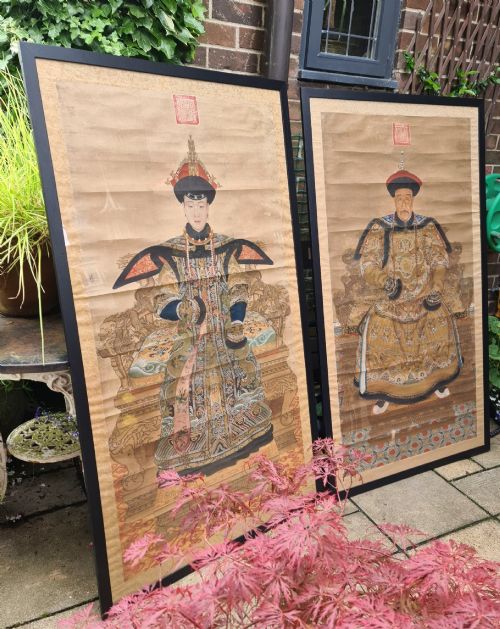
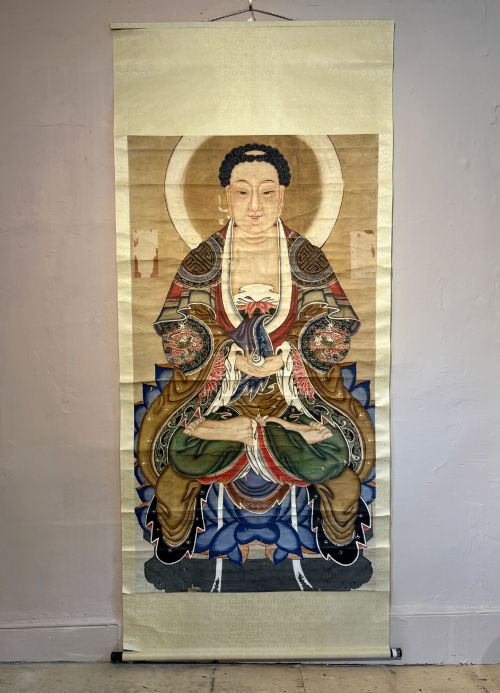
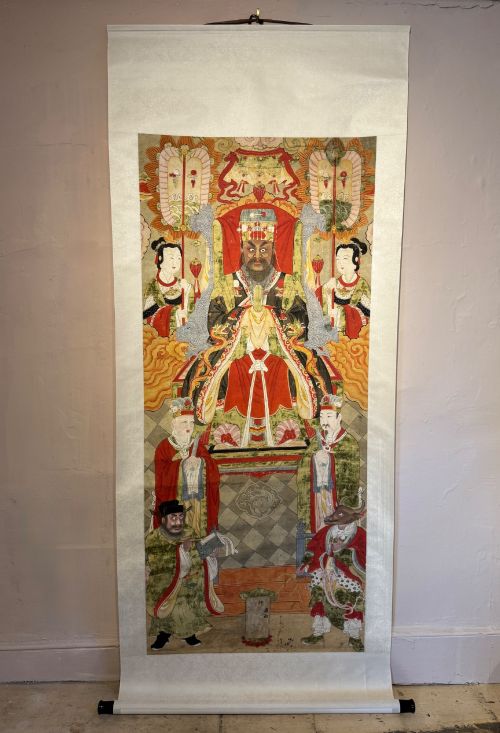
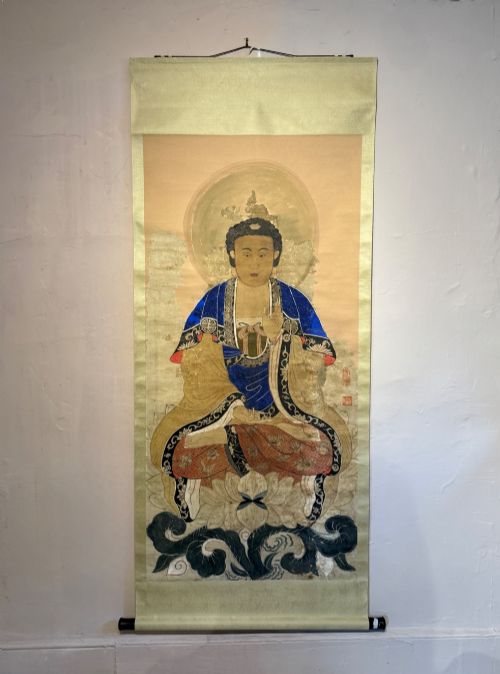
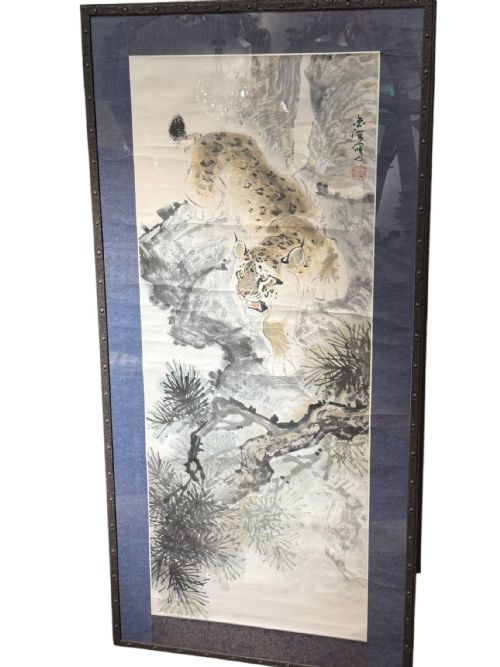
When you search for chinese silk painting, you encounter works spanning the nineteenth century up to the mid twentieth century, rendered in traditional styles. These pieces take the form of framed wall art, hanging scrolls, and ancestor portraits.
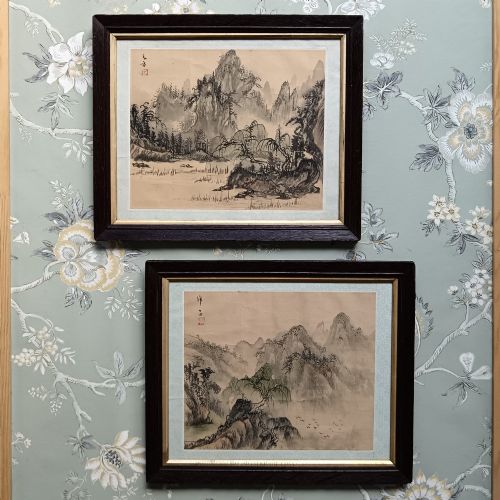
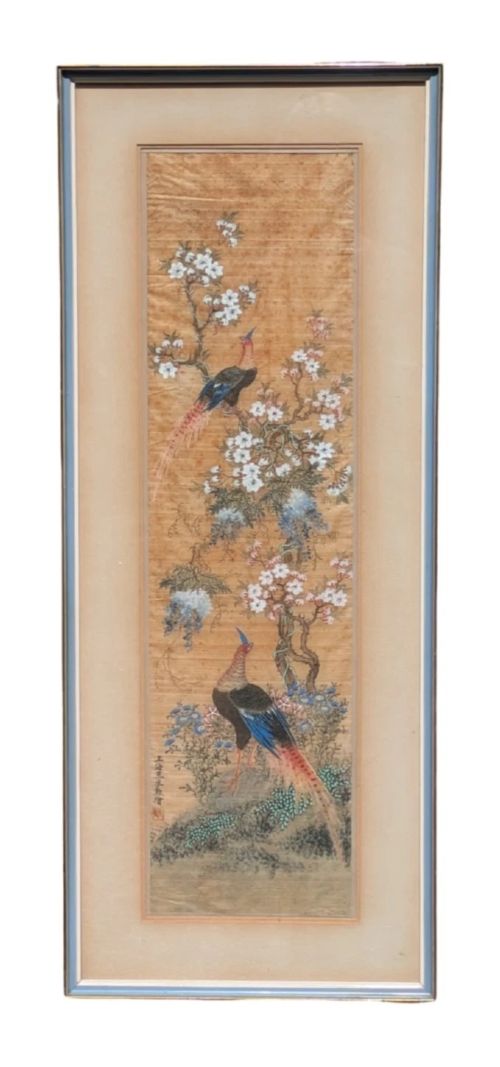
The subjects range from birds, blossoms, and insects to figures, deities, and expansive landscape scenes. Framed examples often retain their original timber frames and glass protection.
Scroll paintings present vertical compositions designed for traditional display. Ancestor portraits capture formal lineages with distinct detail and pigment application.
Materials and execution
Artists applied ink, watercolour, gouache, and mineral pigments directly onto woven silk grounds. Paper backings often provided structural support to the delicate textile.
Mountings utilised timber frames or scroll rollers, sometimes incorporating glass to protect the painted surface. Signatures, stamps, and seals frequently mark the completed composition.
Chinese Silk Painting Retail Price Guide 2026
Typical asking prices for chinese silk painting among the pieces listed under this phrase on Sellingantiques today, from the lower quarter to the upper quarter. They describe what is for sale here now, not the wider market.
Listings feature works spanning the nineteenth and twentieth centuries, utilising silk, paper, wood, glass, and mineral pigments.
Distinctions in quality
The finesse of the brushwork and the vibrancy of the mineral pigments dictate the distinction between standard decorative pieces and finer works. Masterful control over ink and wash creates depth and texture within bird, flower, and figure studies.
The survival condition of the silk ground and the retention of original frames or scroll mountings significantly influence the character of the piece. Crisp detail in faces and plumage elevates individual examples.
The Chinese Silk Painting Glossary
- Shan Shui
- Traditional Chinese landscape painting style depicting scenery such as mountains, rivers, and waterfalls. These compositions often incorporate ink and pigment on silk or paper.
- Scroll painting
- A traditional format of artwork mounted on flexible backing materials for rolling and storage. They are designed for vertical or horizontal viewing.
- Gouache
- An opaque water-based pigment used to achieve solid blocks of colour and fine detail. It appears frequently alongside watercolour and ink on textile surfaces.
- Ancestor portrait
- A formal painting depicting family lineage members, often created for commemorative purposes. These works display meticulous attention to costume and expression.
- Mineral pigment
- Natural earth and mineral substances ground into powder and mixed with a binder for painting. They provide lasting colour intensity on silk grounds.
Chinese Silk Painting: Frequently Asked Questions
How should I hang a silk painting?
Protect silk artworks from direct sunlight to prevent the fading of delicate watercolours and mineral pigments.
Maintain stable humidity levels in the room to preserve the integrity of both the textile ground and any original timber frame.
Are these paintings original works?
The pieces recorded in the evidence comprise hand-painted watercolours, inks, and gouache studies on silk. Signatures, stamps, and brushwork indicate individual artistic execution rather than mechanical reproduction.
Examinations of the textile weave and pigment application help confirm the period of creation.
What subjects are most common?
Common subjects include natural studies of birds, blossoms, butterflies, peonies, and koi carp. Figure subjects encompass Daoist immortals, weavers, and formal ancestor portraits.
Landscape traditions also appear through mountain and water compositions.
How do I identify a scroll from a framed painting?
Scroll paintings are constructed on flexible mountings intended to be rolled up when not on display, featuring wooden rollers at the base. Framed paintings utilise rigid wooden surrounds and glass.
Both formats utilise silk as the primary painting surface.