





Framed Silk Painting
A framed silk painting brings together delicate fabric and pigment, offering a window into traditional Asian artistry and European portraiture.
Framed Silk Painting
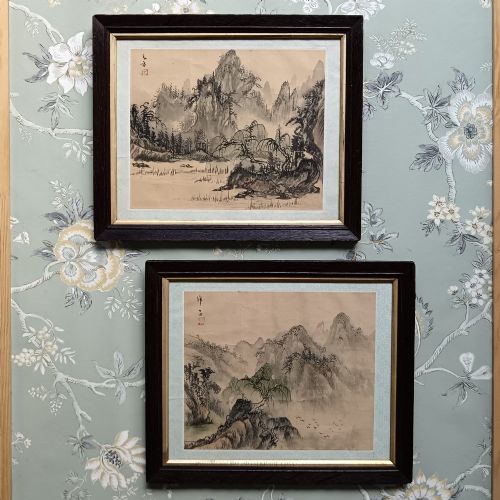
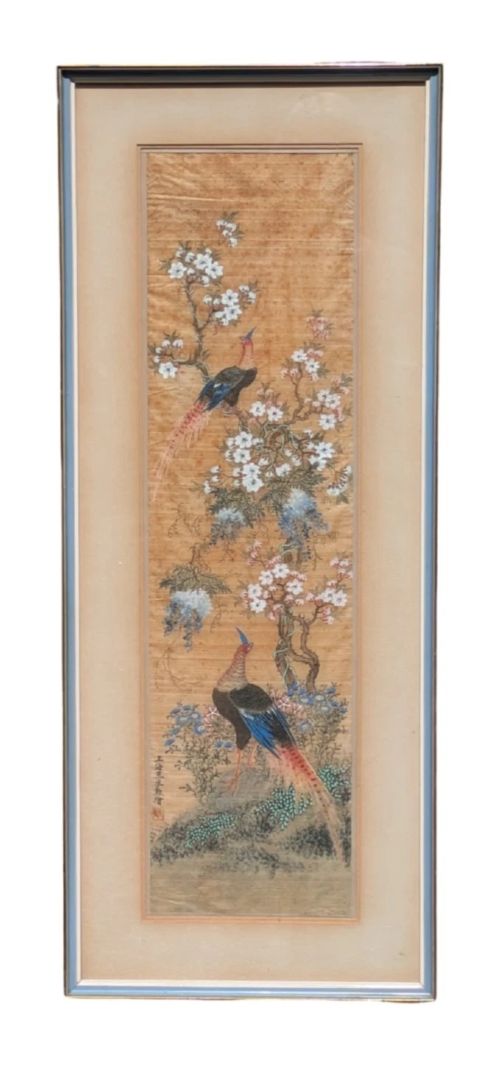
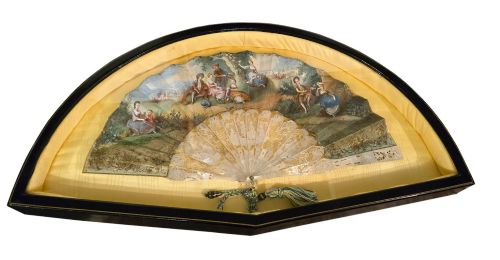
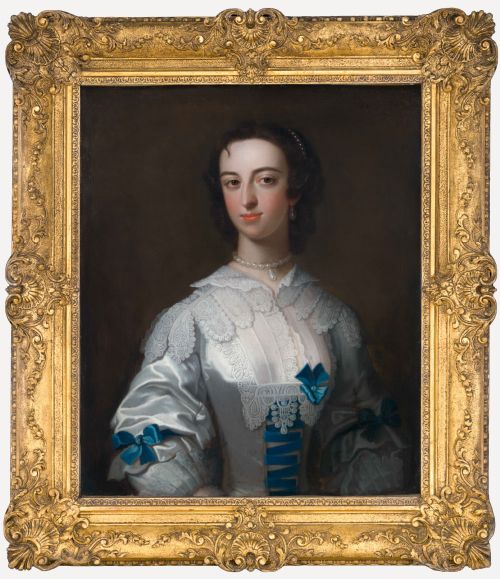
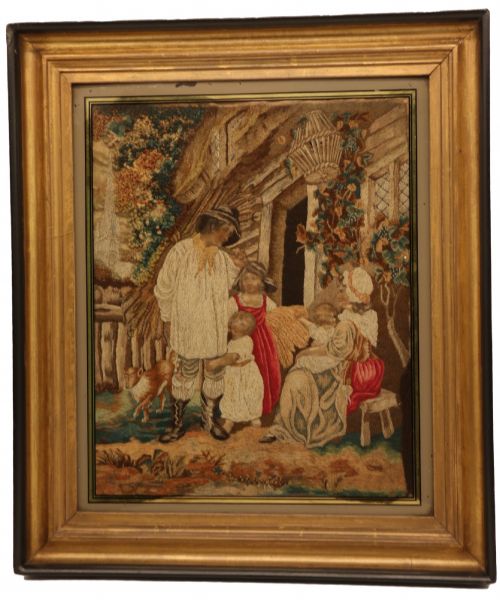
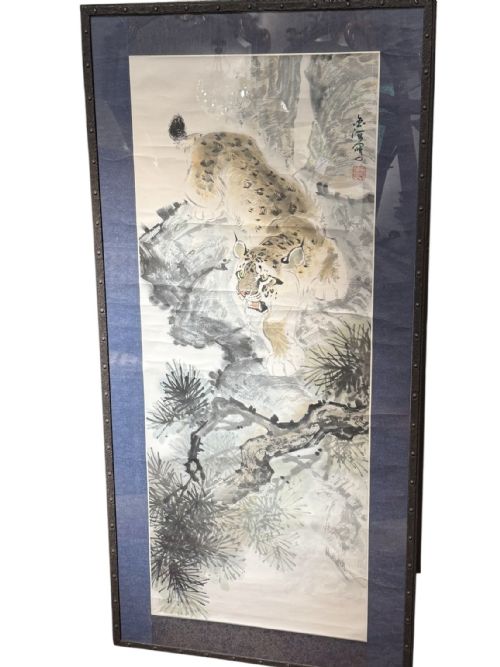
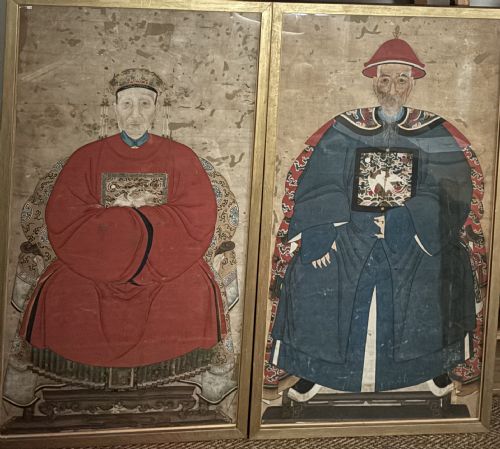
When you search for a framed silk painting, you encounter diverse visual traditions ranging from East Asian scroll works and ancestor portraits to European needlework pictures and costume portraits. The pieces appearing here span the seventeenth century through to the mid-twentieth century, capturing delicate brushwork on woven textiles.
The most prevalent examples on this page originate from Chinese and Japanese workshops, featuring subjects such as landscapes, birds, floral motifs, and figures rendered in watercolour and gouache on silk. Alongside these oriental works, you find British and European needlework pieces and painted silk panels housed in period wood and giltwood frames.
Materials and construction
Makers utilised fine silk grounds stretched over supportive backings, applying watercolours, gouache, or pigments directly onto the textile fibres. The absorbency of silk required precise brush control from the artist to prevent ink and pigment bleeding.
Protection and presentation relied heavily on timber frames, often carved from giltwood or plain wood, paired with glass to shield the delicate fabric from dust and moisture. Selected pieces incorporate additional media such as paper backing, embroidery threads, and ink.
Listings feature works across the 17th, 18th, 19th, and 20th centuries, including Qing Dynasty and Meiji Period pieces.
Assessing quality
The distinction between standard and superior pieces rests on the finesse of the brushwork and the preservation of the silk ground. Tighter weaves and expertly mixed pigments maintain their vibrancy over centuries, whereas lesser examples suffer from fading or fibre degradation.
Original framing adds considerable distinction, particularly when the antique glass, backing, and carved wood housing remain undisturbed. The precision of the drawing - whether depicting intricate plumage on a phoenix or the fine folds of a lady's gown - separates masterworks from decorative output.
Henry Pickering·Charles Jervas·Thomas Murray·Sir Peter Lely·Hans Hysing·Frank Giggs·Joaquín Luque y Roselló
The Framed Silk Painting Glossary
- Gouache
- An opaque watercolour paint consisting of natural pigment, water, and a binding agent such as gum arabic. It provides solid, vibrant areas of colour on silk paintings.
- Ancestor portrait
- A formal Chinese painting created to honour family forebears, often depicting seated subjects in elaborate robes. These works served ritual and commemorative purposes within households.
- Shan Shui
- A traditional Chinese painting style depicting natural landscapes using brush and ink. The term translates directly to mountain-water.
- Needlework
- A piece created through decorative stitching and embroidery upon a fabric ground, frequently combined with painted elements. English examples often depict pastoral or architectural scenes.
- Giltwood
- Timber that has been coated with a thin layer of gold leaf or gold paint. It forms the decorative border on many traditional picture frames.
Framed Silk Painting: Frequently Asked Questions
How do I care for a framed silk painting?
Keep the artwork away from direct sunlight and high humidity to prevent the silk fabric from becoming brittle or discoloured.
Dust the timber frame gently with a dry cloth and avoid touching the glass surface directly.
Are these paintings original antiques?
The pieces listed originate from periods spanning the seventeenth to the twentieth century, incorporating traditional techniques and historic materials.
Each item reflects the artistic conventions and material availability of its specific era.
What subjects are common in these artworks?
Asian examples frequently depict landscapes, animals, floral branches, and ancestral figures in traditional attire.
European works tend to focus on portraiture of ladies in silk gowns, alongside needlework landscapes and pastoral scenes.
How can I tell Chinese and Japanese silk pieces apart?
Chinese works often feature detailed brushwork of flora, fauna, and formal ancestor groupings reflecting dynasties and traditional philosophies.
Japanese pieces frequently display distinct regional motifs such as geese in flight or narrative battle scenes linked to the Meiji period.
Why are some painted on silk rather than paper?
Silk offers a lustrous, reflective surface that enhances the depth and luminosity of applied pigments and watercolours.
Master makers selected silk for its tensile strength and unique texture, which absorbed inks differently than paper grounds.