


Polychrome Bird Painting
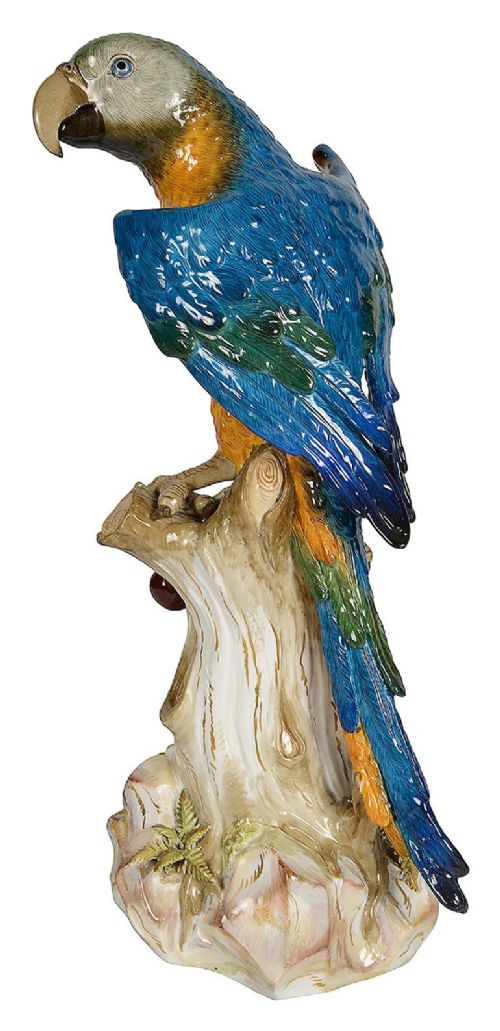
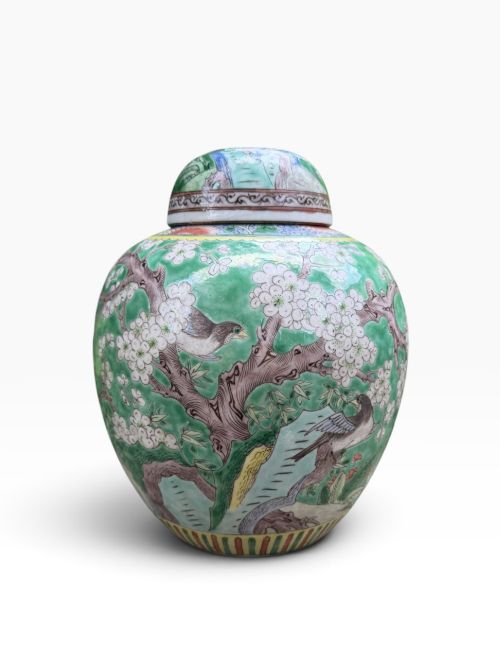
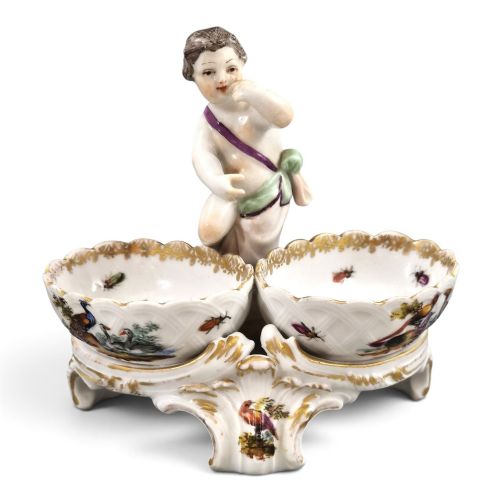
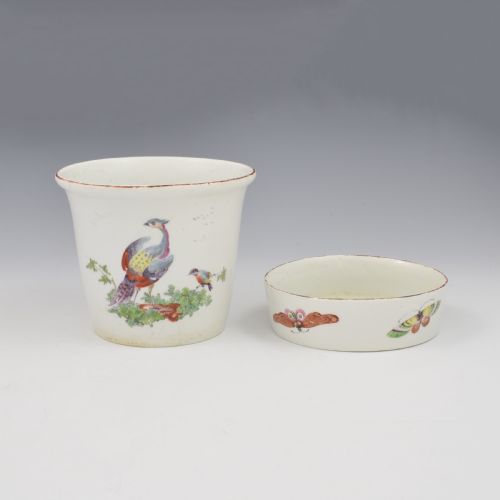
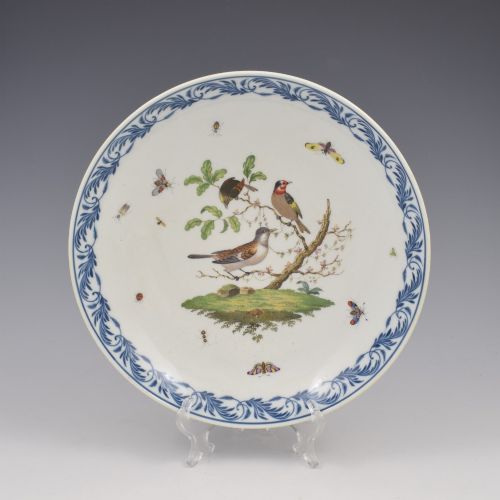
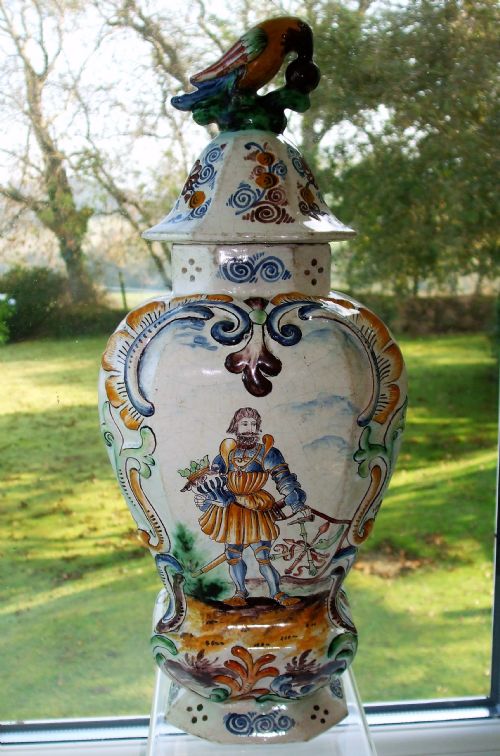
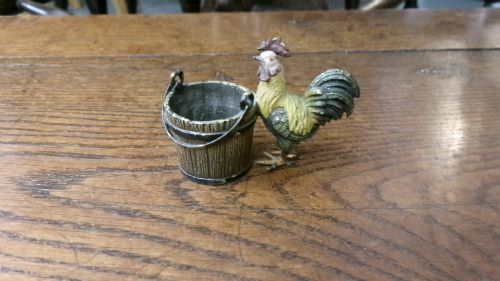
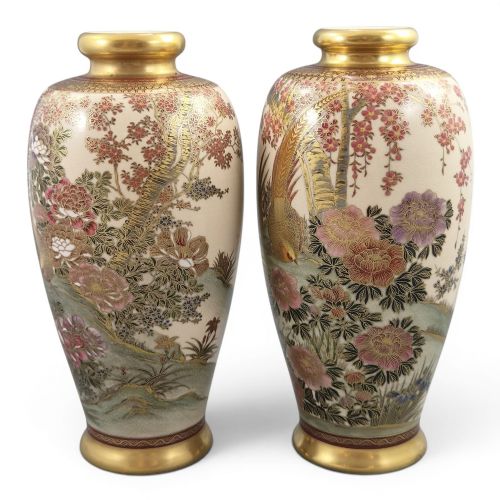
These pieces of polychrome bird painting bring together colourful feathered subjects and diverse ceramic or metallic forms.
Polychrome Bird Painting
Polychrome bird painting spans centuries of craftsmanship, appearing on porcelain, earthenware, bronze, and silk across multiple continents. A buyer exploring this phrase encounters works ranging from delicate European tableware to Asian ceramics and cold-painted bronzes.
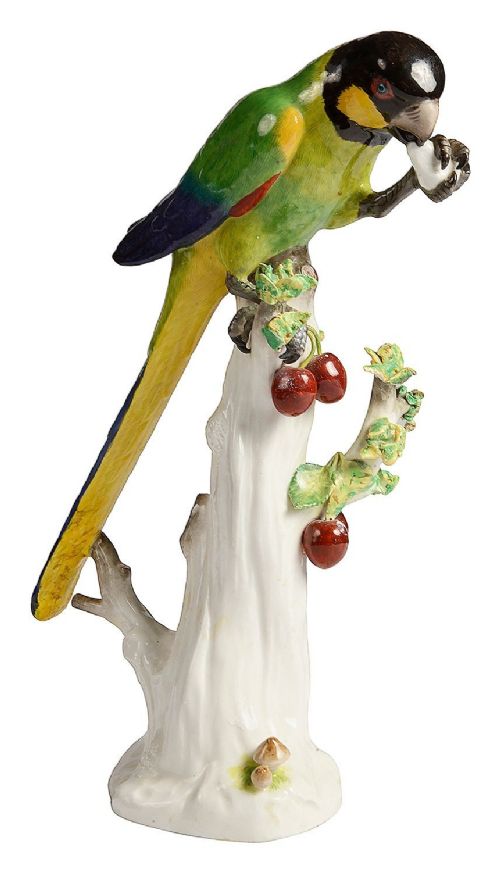
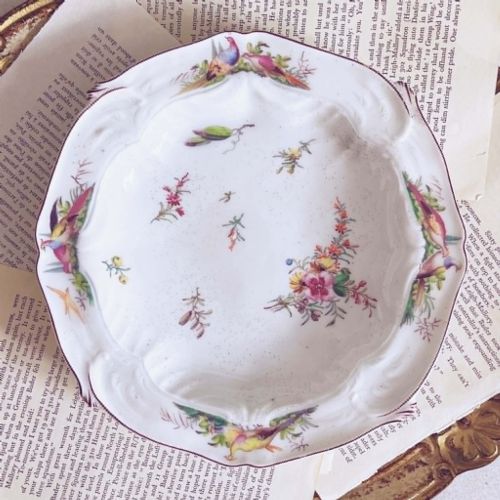
The objects take many shapes, including vases, decorative plates, figures, and lidded jars. European porcelain plates and figures alongside Japanese Satsuma wares and Chinese famille rose porcelains dominate the selection.
Originating from periods such as the eighteenth and nineteenth centuries, these items capture avian subjects rendered in varied pigments, glazes, and enamels. Each piece reflects the specific decorative conventions of its workshop and era.
Materials and production methods
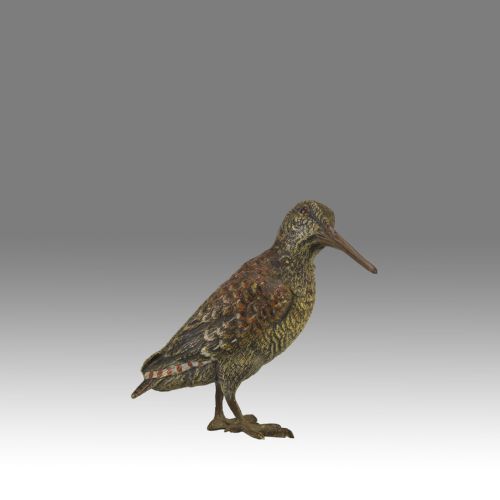
Makers utilised ceramic bodies including porcelain, earthenware, and tin-glazed faience, applying mineral pigments and glazes before firing. Artisans also worked in bronze, employing cold-painting techniques to apply colour directly to the metallic surface.
Hand-painting techniques required skilled brushwork to delineate plumage, flowers, and natural settings. Kiln processes fixed enamels and glazes onto porcelain and pottery, while metal objects relied on surface paint applications.
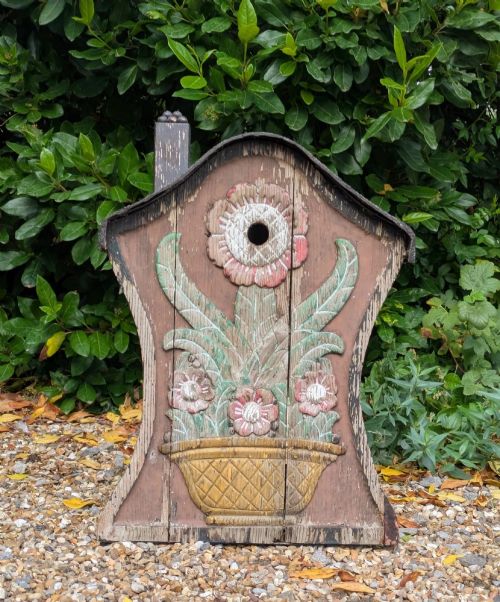
A charming wooden bird box represents the lighter side of folk art among these painted avian treasures.
Determinants of quality
The execution of the avian brushwork separates standard production from superior examples, with finer pieces displaying precise feather detailing and naturalistic posture. The delicacy and complexity of the surrounding floral or landscape elements also influence the standard of the work.
Material choice and finishing contribute to the overall merit, seen in the translucency of the porcelain body or the crispness of the bronze casting. Preserved pigment integrity and clear factory or artist marks further distinguish the upper tier of objects.
Franz Bergman·Meissen·KPM Berlin·Baccarat·Rozenburg
The Polychrome Bird Painting Glossary
- Polychrome
- Decoration executed in multiple colours. This multi-coloured approach defines the vibrant palettes seen across ceramics and bronzes.
- Famille Rose
- A Chinese porcelain palette distinguished by opaque pink enamel introduced during the Qing dynasty. It frequently incorporates bird and floral motifs.
- Cold-Painted Bronze
- Metal sculpture painted after casting rather than fired in a kiln. Austrian workshops utilised this method for avian figures.
- Tin-Glazed Earthenware
- Pottery coated with a tin oxide glaze that provides a white, opaque surface for painted designs. Dutch delftware and Spanish faience rely on this technique.
- Satsuma Ware
- Japanese earthenware featuring a crackle-glaze ivory body decorated with polychrome enamels and gold leaf. Many pieces depict birds and nature scenes.
Polychrome Bird Painting: Frequently Asked Questions
How do I care for polychrome painted ceramics?
Dust these items gently with a dry cloth and avoid harsh chemical cleaners that might damage the surface enamels.
Keep them away from direct sunlight to preserve the vibrancy of the multi-coloured pigments over time.
Were these objects meant for display or daily use?
Many decorative plates, chargers, and bronze figures served primarily as ornamental display pieces in period interiors.
Items like tea plates, jugs, and vases combined practical utility with detailed avian artwork.
How can I distinguish European porcelain from Asian export wares?
Examine the paste, glaze characteristics, and potting style, which often reflect the distinct traditions of factories like Meissen or Satsuma.
Maker marks, where present, help identify the specific European manufactory or Asian kiln of origin.
What does cold-painted mean on bronze figures?
It means the metal sculpture received its paint layer after the casting process without a high-temperature kiln firing.
Care is required because this paint can flake or wear away more easily than fired ceramic glazes.