




Oriental Wall Art Decor
Oriental wall art decor brings together distinct global traditions, offering striking visual focal points for modern interiors.
Oriental Wall Art Decor
When buyers search for oriental wall art decor, they encounter a diverse selection of pieces spanning several centuries and distinct cultural origins. The available items range from framed prints and paintings to substantial panels and plaques.
The 19th century is particularly well represented among these pieces, offering works executed in traditional techniques from China, Japan, and Burma. Buyers are most likely to meet woodblock prints, embroidered textiles, and painted panels when browsing this category.
How they were made
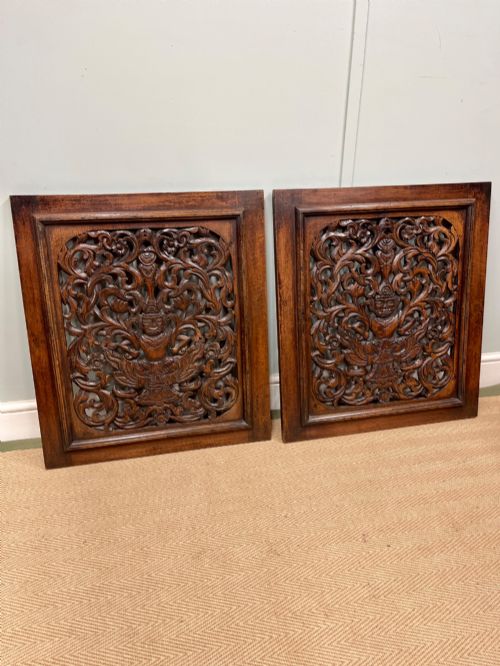
Makers utilised organic and refined materials, mounting delicate silk brocades, papers, and embroideries within sturdy frames of teak, rosewood, and general hardwood. Reverse glass painting and ink applications on paper or silk required steady hands and precise brushwork.
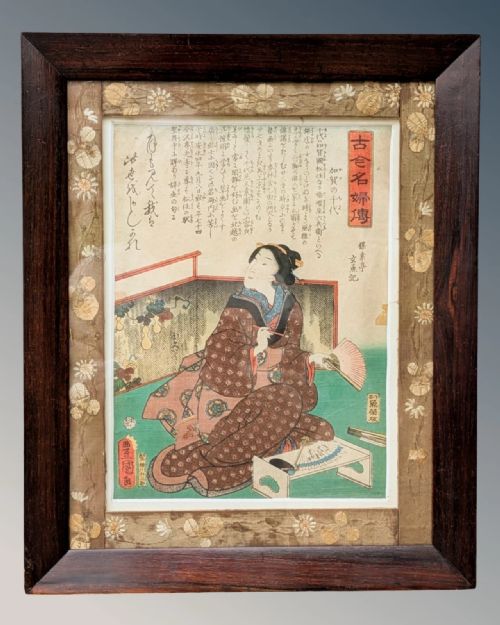
Lacquer techniques formed glossy surfaces on panels and roundels, whilst specialised printing processes yielded multi-coloured Japanese woodblock woodcuts. Textile works relied on intricate needlework to depict subjects such as garden birds and mandarin ducks.
Listings feature items from the 19th century, 1900, 1920, 1940, and 1960, utilising wood, glass, paper, silk, lacquer, ink, teak, and hardwood.
What varies in quality
The fineness of detail in the brushwork or embroidery dictates the visual standing of each piece, separating standard decorative items from superior works. Materials like rosewood frames and silk mounts elevate the presentation of antique prints and panels.
Preservation of delicate media such as paper, glass, and textiles influences the overall integrity of the piece. Superior examples retain their original pigments and structural mounts without extensive modification.
The Oriental Wall Art Decor Glossary
- Woodblock print
- An image produced by carving a design into a block of wood, applying ink, and pressing it onto paper or silk. This technique is central to traditional Japanese printmaking.
- Reverse painting on glass
- A technique where an artist paints directly onto the reverse side of a glass sheet so the image is viewed through the front. It creates a glossy, reflective finish.
- Ukiyo-e
- A genre of Japanese art depicting scenes from everyday life, landscapes, and historical tales. These works frequently appear as woodblock prints.
- Lacquer panel
- A rigid wooden support coated with multiple layers of durable sap-based resin. These panels often feature polished finishes and painted decorations.
Oriental Wall Art Decor: Frequently Asked Questions
What periods do these pieces come from?
The pieces span from the 19th century through to the mid-20th century, capturing shifts in technique and material use.
Dating relies on the materials employed, such as traditional hardwoods, early glass, and period frames.
How should I hang these wall pieces?
Wall plaques, panels, and framed prints require secure fixings suited to their weight and the specific wall construction.
Heavier items like teak panels or framed oil paintings need robust wall anchors to support their structure safely.
What materials are commonly used?
Makers utilised wood, glass, paper, silk, and lacquer, often framing works in teak or rosewood.
Textiles feature embroidered threads, whilst paintings apply ink and watercolours to silk or paper bases.
How do I care for silk and paper art?
Delicate media like paper and silk require protection from direct sunlight to prevent fading of the original pigments.
Maintaining stable indoor humidity levels helps preserve the integrity of both the textiles and their wooden frames.