


Meiji Period Wall Plaques
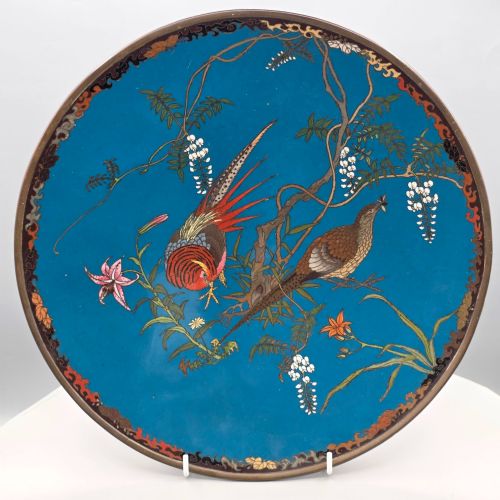
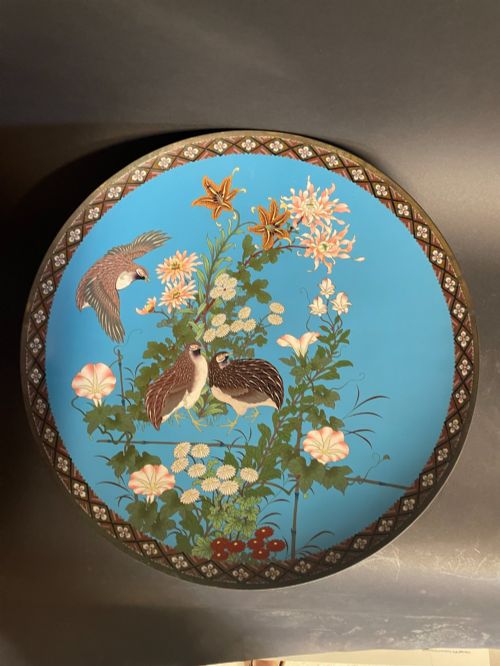
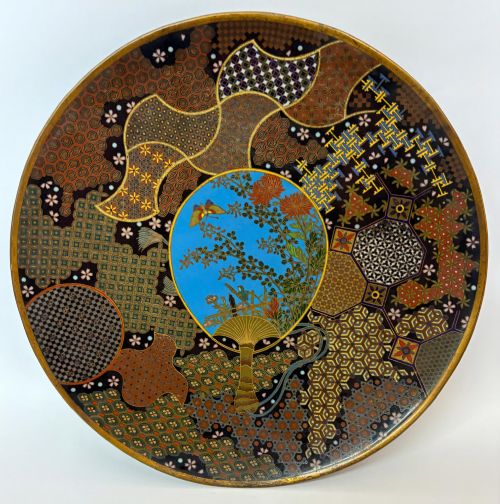
Meiji period wall plaques bring together intricate cloisonne enamel, brass, and porcelain to hang as striking decorative chargers and panels.
Meiji Period Wall Plaques
When you examine meiji period wall plaques, you are looking at large decorative chargers, plates, and roundels made in Japan during the late nineteenth century. These pieces encompass Japanese Meiji period works alongside related Victorian era imports that reached British homes.
The objects take the form of circular dishes, trays, and panels designed specifically for display on walls. Motifs range from birds and koi to dragons, samurai, and auspicious symbols.
Most examples originate from the decades spanning 1860 to 1900, capturing a period of intense artistry in metalwork and ceramics. Buyers will frequently encounter large cloisonne enamel chargers alongside hand painted porcelain and mixed-metal dishes.
How they were made
The makers of these pieces utilised copper, brass, and bronze as foundations for intricate cloisonne enamel work. Fine metal wires were soldered onto the metal base to form cells, which were then filled with coloured enamel pastes and fired multiple times.
Other examples rely on porcelain bases, including Totai Shippo techniques where enamel or lacquer adorns a ceramic body. Wood and lacquer also feature in the construction of panels and roundels.
Surface decoration frequently combines hand painting with mixed-metal overlays and Komai style damascene work. Artisans secured fine details through precise firing, polishing, and carving.
Materials represented include enamel, copper, brass, porcelain, bronze, wood, cloisonne enamel, and lacquer.
What varies in quality
The standard of execution separates standard decorative items from exceptional works of art. Finer pieces demonstrate absolute precision in the wirework of cloisonne panels, alongside smooth, evenly fired enamel surfaces free of pitting.
Complexity of subject matter and scale dictate upper tiers. Large chargers featuring elaborate dragons, multiple figures such as samurai and demons, or detailed botanical scenes demand greater technical mastery from the maker.
Signatures by notable artisans elevate specific plates and plaques above unsigned commercial output. The depth of the mixed-metal work, the crispness of porcelain hand painting, and the preservation of original lacquer contribute to overall distinction.
The Meiji Period Wall Plaques Glossary
- Charger
- A large decorative plate or dish intended for display on a wall or sideboard rather than for dining. These form the majority of large metal and porcelain pieces.
- Cloisonne
- An enamel technique where metal wires are affixed to a metal body to create compartments for coloured glass pastes. The piece is then fired and polished flat.
- Totai Shippo
- A specialised technique where enamel is applied directly onto a porcelain body, often mimicking the appearance of metal cloisonne or tree bark. It combines ceramic forming with enamel decoration.
- Imari
- A style of Japanese porcelain featuring distinct underglaze blue and overglaze red, gold, and black decoration. These plates and chargers were widely exported during the period.
- Komai Style
- A method of damascene inlay originating from Kyoto, utilising intricate gold and silver threads hammered into a dark iron, brass, or bronze background. It is seen on mixed-metal dishes.
- Roundel
- A circular panel or decorative motif used in wood, lacquer, or metalwork. Pairs of these items were frequently produced for interior display.
Meiji Period Wall Plaques: Frequently Asked Questions
How do I hang a heavy charger safely?
Large chargers require robust wall fixings and specialised spring-loaded brass hangers designed to distribute weight evenly around the rim.
Ensure the hanging wire or bracket engages securely with the wall stud rather than relying solely on plaster.
How do I clean antique enamel plaques?
Dust enamel and metal surfaces gently with a soft, dry microfibre cloth to prevent the accumulation of grit. Avoid using water, chemical solvents, or abrasive metal polishes.
Moisture can seep into micro-fissures in the enamel or harm exposed copper and brass elements.
What is the difference between a charger and a plate?
Chargers are substantially larger in diameter, typically measuring over thirty centimetres, and were designed purely for visual display. Standard plates were often smaller and sometimes served functional roles before entering the collector market.
Wall plaques further depart from tableware by lacking a deep central well, presenting a flat surface suited for pictorial scenes.