



Qing Dynasty Pith Painting
A qing dynasty pith painting brings delicate botanical and figural detail into your home on a fragile, luminous cellular paper.
Qing Dynasty Pith Painting
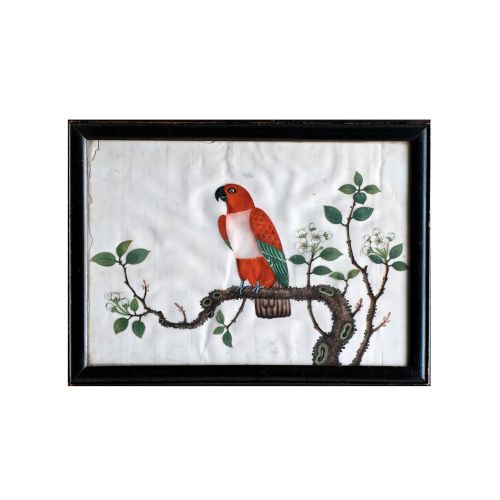
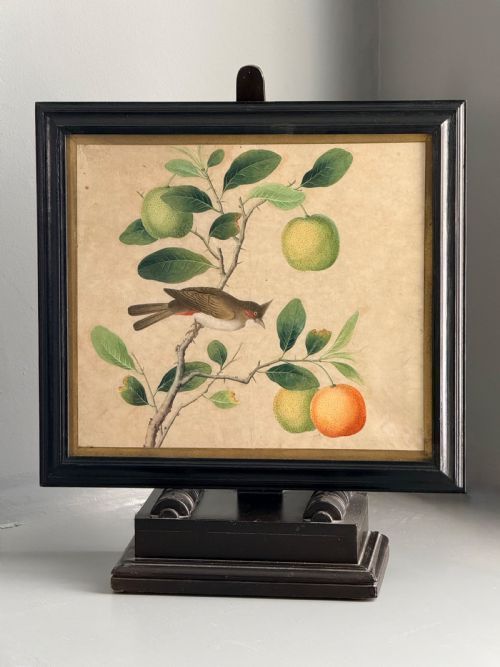
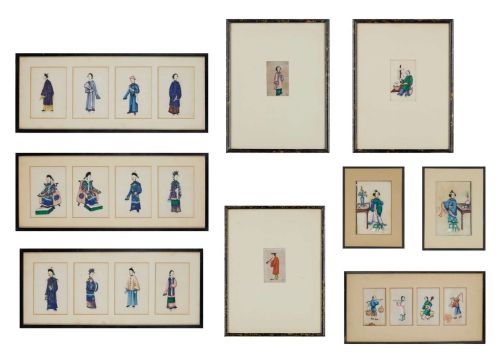
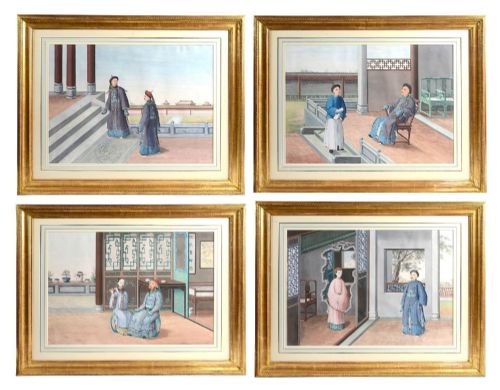
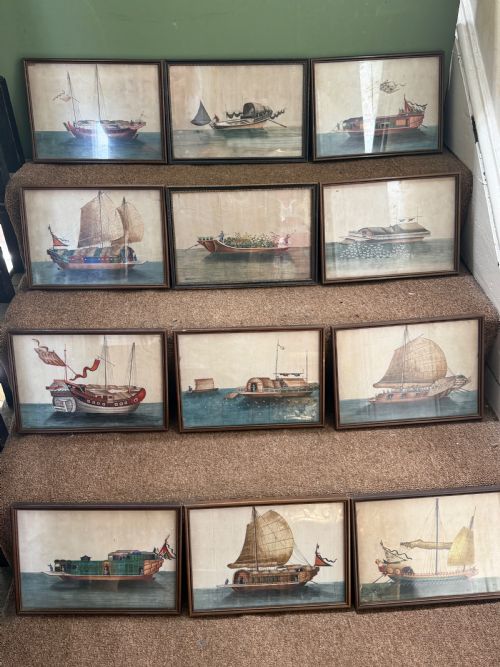
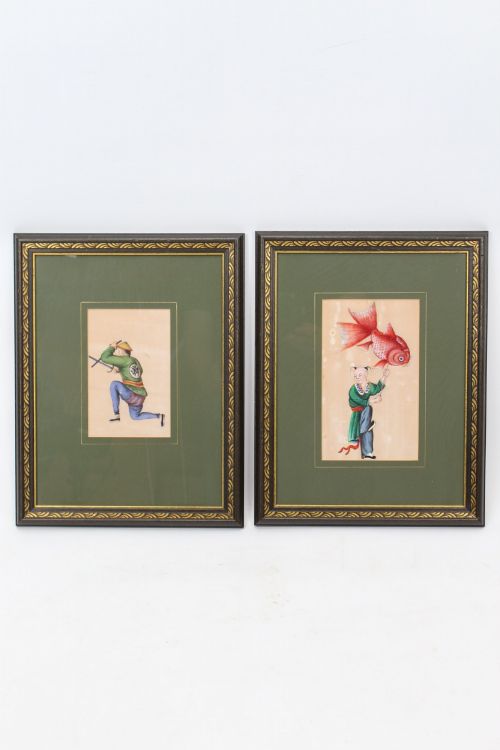
When you search for qing dynasty pith painting, you encounter delicate works produced primarily during the nineteenth century for the export market. These artworks depict botanical subjects, insects, junks, and figural scenes created to satisfy Western curiosity about Chinese life and nature. Most examples on this page date from the nineteenth century, ranging from single framed watercolours to substantial sets.
The objects take the form of framed artwork, wall art, and grouped watercolours. You will frequently find sets of twelve or smaller groupings depicting trades, court figures, or butterflies. The visual tradition is firmly rooted in Chinese export art, tailored for foreign buyers who collected them in albums or framed them for display.
How they were made
These works utilise pith paper, often historically misnamed rice paper, which is sliced from the pith of the Tetrapanax papyrifer plant. This spongy, cellular material has a unique velvety texture that absorbs watercolour and gouache with exceptional brilliance, lending a luminous quality to the pigment. Artisans applied watercolours and gouache directly onto the delicate sheets without preliminary sketching.
Framing and mounting techniques varied, with many pieces preserved within wood and gilt wood frames or mounted behind glass to protect the fragile substrate. Because pith paper tears easily and reacts poorly to moisture, historical mountings often include silk borders or paper backing to provide structural support.
Qing Dynasty Pith Painting Retail Price Guide 2026
Typical asking prices for qing dynasty pith painting among the pieces listed under this phrase on Sellingantiques today, from the lower quarter to the upper quarter. They describe what is for sale here now, not the wider market.
Materials recorded across the archive and current entries include pith paper, gouache, watercolour, glass, wood, and gilt wood.
What varies in quality
The distinction between superior examples and ordinary ones lies in the precision of the brushwork and the vibrancy of the pigments. Botanical and insect studies with minute anatomical detail and rich gouache application sit at the upper end of the scale. Conversely, hastily produced export pieces show looser execution and repetitive compositions intended for rapid tourist consumption.
Preservation heavily influences the standing of a piece, as pith paper yellows, bruises, and cracks with age and humidity. Works that retain their original saturated colours without extensive pigment flaking or heavy staining command greater attention from collectors who value original condition.
The Qing Dynasty Pith Painting Glossary
- Pith paper
- A fragile, cellular plant material sliced from the stem of the Tetrapanax papyrifer shrub and used as a painting surface. It is distinct from true paper and possesses a characteristic velvet-like nap.
- Gouache
- An opaque water-based paint composed of pigment, water, and a binding agent such as gum arabic, often containing chalk. It provides the dense, matte colour layers seen on nineteenth-century export works.
- Chinese export art
- Goods produced in China specifically for Western markets, spanning ceramics, textiles, and paintings. These items blend traditional Chinese craftsmanship with European tastes.
- Junk
- A traditional Chinese sailing vessel featuring battened sails, frequently depicted in nineteenth-century export paintings. These watercolours served as souvenirs for travellers visiting East Asian ports.
Qing Dynasty Pith Painting: Frequently Asked Questions
What is pith paper made from?
Pith paper is sliced from the spongy interior of the Tetrapanax papyrifer plant, native to southern China and Taiwan. The inner pith is carefully peeled in a continuous spiral before being pressed flat into sheets.
This material is not made from rice, despite the persistent historical misnomer rice paper. Its cellular structure creates a distinctive velvety surface that absorbs water-based pigments differently from standard plant fibre paper.
How were these paintings used?
Western visitors and traders purchased these watercolours in Canton and other treaty ports as souvenirs of their travels. They were often compiled into bound silk albums or loose sets to document local flora, fauna, and trades.
Upon returning home, owners frequently removed the paintings from albums to frame them for display on parlour walls. This practice accounts for the survival of matched sets showing botanical specimens or shipping scenes.
How do I care for pith paintings?
These artworks require constant protection from direct sunlight, high humidity, and physical pressure behind glass. The cellular pith substrate remains sensitive to moisture changes and can easily crack or shatter if flexed.
Professional framing with conservation-grade UV-filtering glass helps prevent the watercolours and gouache from fading. Keeping the pieces in stable indoor environments preserves the fragile surface layers.
How are periods identified?
Dating relies on stylistic markers, costume details in figural scenes, and the type of framing or mounting present. Nineteenth-century works often reflect specific export production phases centred around Canton trade hubs.
Comparison with dated archive examples and known album formats helps narrow the creation period. Archivists also examine the paper characteristics and the types of pigments used across different decades.