



Chinese Soapstone Sculpture
Chinese soapstone sculpture encompasses tactile carved figures and scholar's objects prized for their fluid detail and rich mineral tones.
Chinese Soapstone Sculpture
When buyers search for chinese soapstone sculpture, they encounter figures, seals and desk accessories rooted in traditional craftsmanship. These items span periods from the nineteenth century through to the early decades of the twentieth century, reflecting enduring aesthetic conventions.
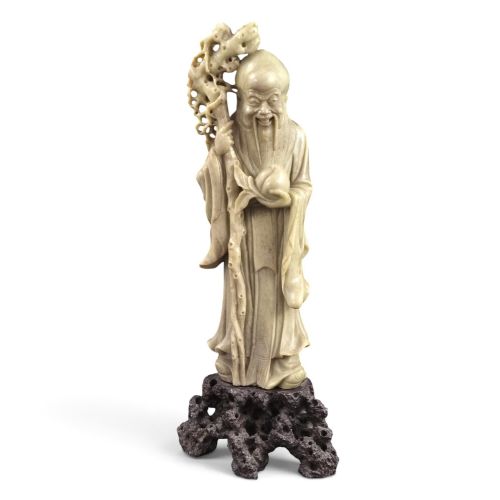
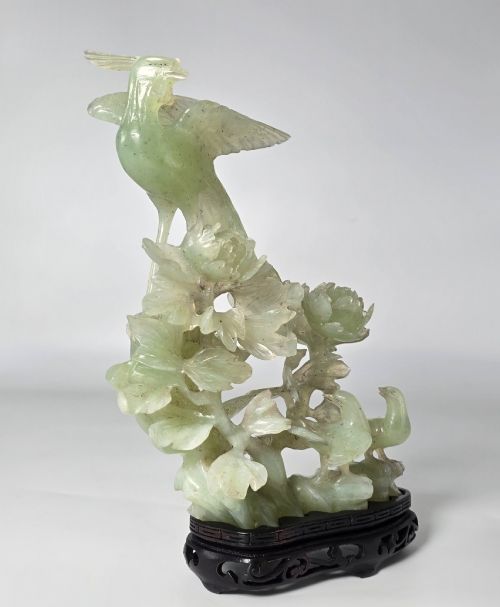
The objects on this page most commonly take the form of figurative carvings, mythical beasts and natural subjects. Pieces range from depictions of sages and deities to animals such as monkeys, birds, parrots and dogs.
Scholar's objects and desk seals feature prominently alongside larger decorative sculptures. Many incorporate carved hardwood bases that ground the softer stone forms.
How they were made
Carvers utilised soapstone, steatite and Shoushan stone due to their tractable nature, allowing for intricate undercut details and smooth surface modulation. The mineral composition yields a variable palette spanning pale green, earth tones and rich variegations.
Secondary materials such as hardwood and marble frequently appear as integral stands or bases for the stone sculptures. These mountings provide physical stability and complement the organic contours of the carved subjects.
Chinese Soapstone Sculpture Retail Price Guide 2026
Typical asking prices for chinese soapstone sculpture among the pieces listed under this phrase on Sellingantiques today, from the lower quarter to the upper quarter. They describe what is for sale here now, not the wider market.
What varies in quality
Proportion and stance dictate the visual success of figurative groups and animal carvings. Pieces that retain crisp facial expressions and harmonious compositions demonstrate superior workshop execution.
The Chinese Soapstone Sculpture Glossary
- Soapstone
- A talc-schist metamorphic rock prized for its softness and suitability for intricate carving. It polishes to a smooth finish.
- Steatite
- An alternative geological term for soapstone, frequently used to describe dense varieties utilised in Chinese carvings. The material accepts fine incisions without fracturing.
- Shoushan Stone
- A specific type of soapstone sourced from Fujian province, renowned for its translucent quality and diverse natural colouration. It represents a traditional medium for seals and scholarly objects.
- Foo Dog
- A traditional guardian lion sculpture, often paired, positioned to ward off negative influences. These figures combine stylised anatomy with ferocious expressions.
- Seal
- A carved stamp or chop utilised for personal signatures, typically surmounted by mythical beasts or scholars. The base bears characters cut for impression in vermilion paste.
Chinese Soapstone Sculpture: Frequently Asked Questions
How do I care for soapstone?
Soapstone is a relatively soft mineral that requires gentle handling and protection from sharp impacts. Dusting with a dry, soft cloth is generally sufficient for routine maintenance.
Avoid chemical cleaners and excessive moisture, which can dull the polish and affect any associated hardwood components.
What is a scholar's carving?
Scholar's carvings are small-scale objects created for the desks of literate elites in traditional China. They served as contemplative items that stimulated creative thought during quiet study.
Subjects often included natural landscapes, mythical animals, or symbolic figures embodying longevity and wisdom.
How do I identify a seal?
Seals feature a carved sculptural top, such as a dragon or lion, mounted on a square or rectangular stone column. The flat underside bears intaglio or relief characters.
These objects were functional tools for stamping documents and artwork with owner or maker marks.
Are bases original to the pieces?
Many nineteenth and early twentieth-century carvings were created with fitted hardwood stands designed specifically for the individual stone contour. These bases elevate the sculpture and prevent direct wear to the lower surfaces.
Matched pairs and integrated stands reflect the careful presentation typical of traditional Chinese decorative arts.