

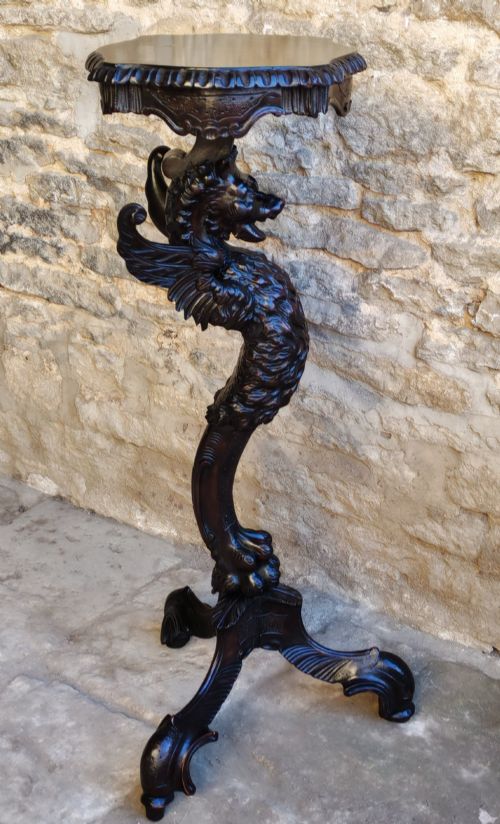
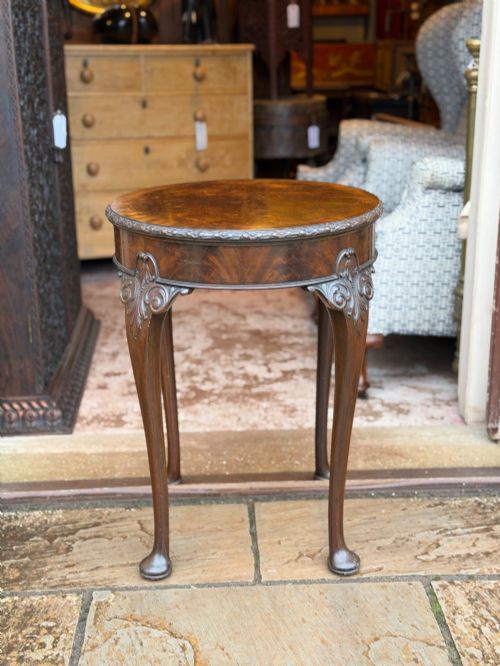
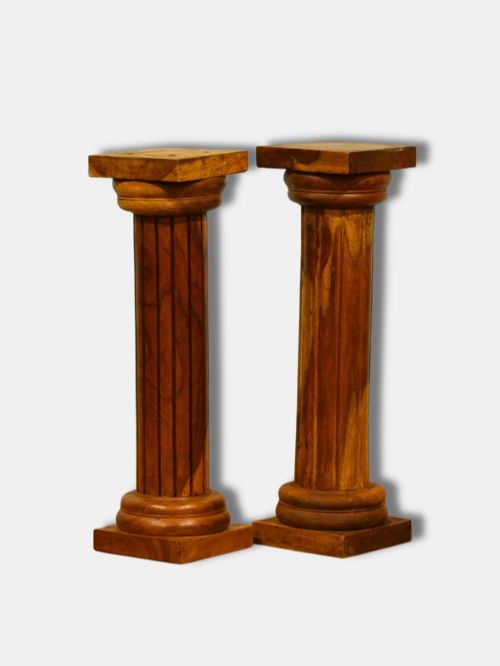
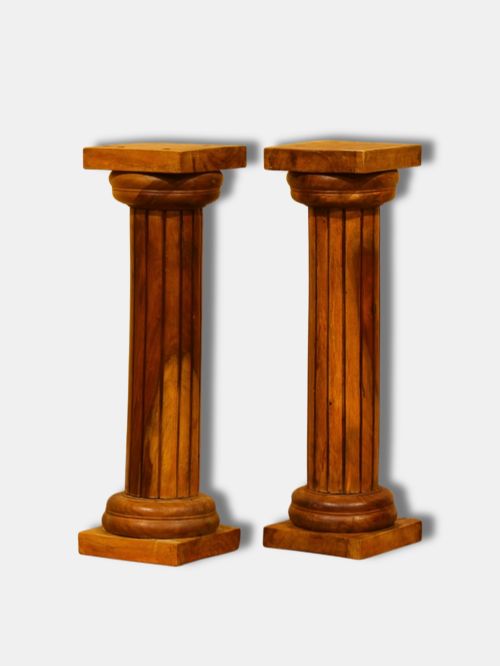

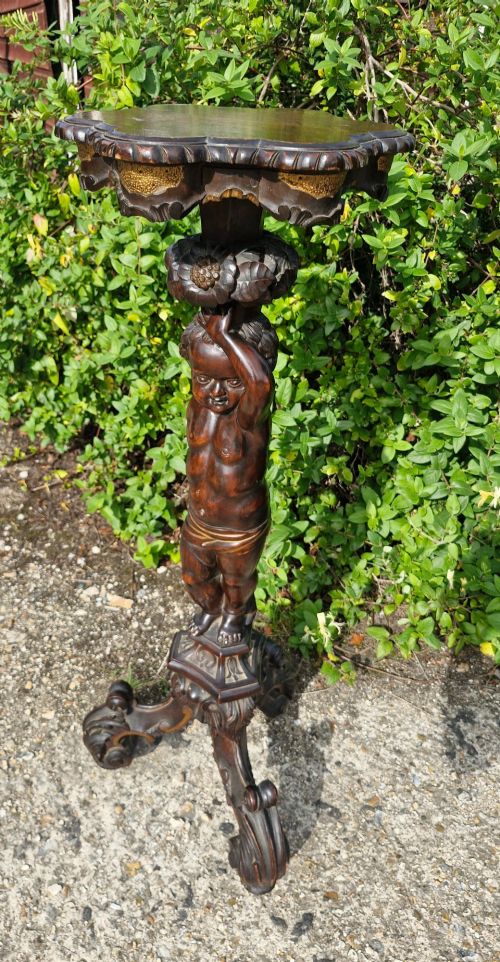
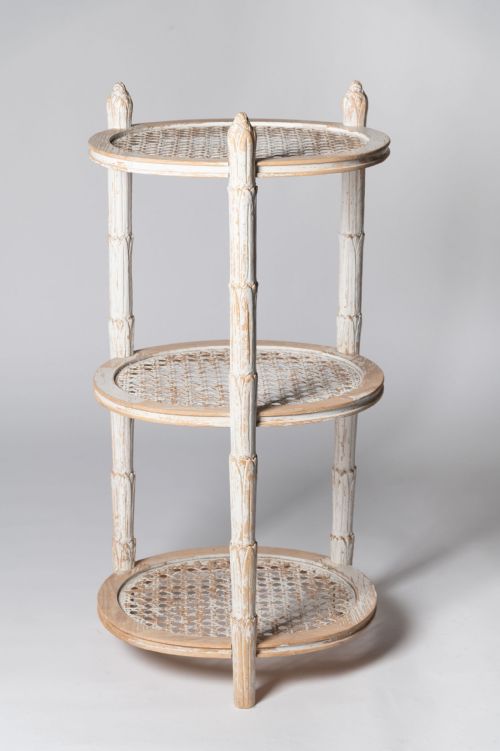
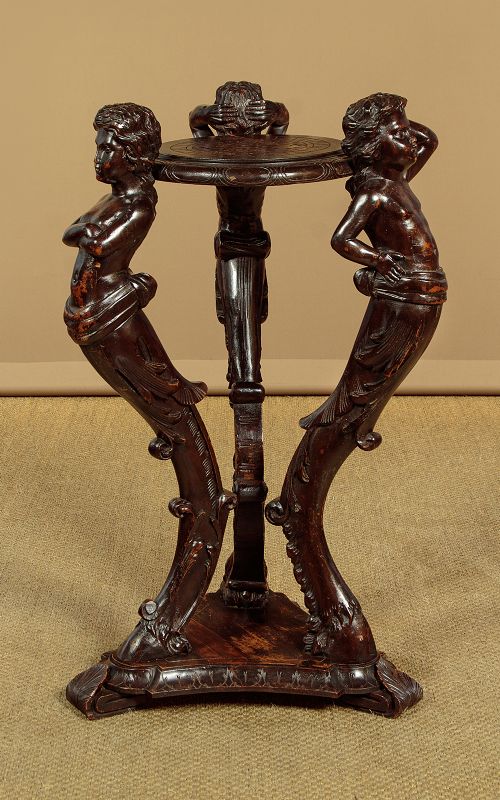


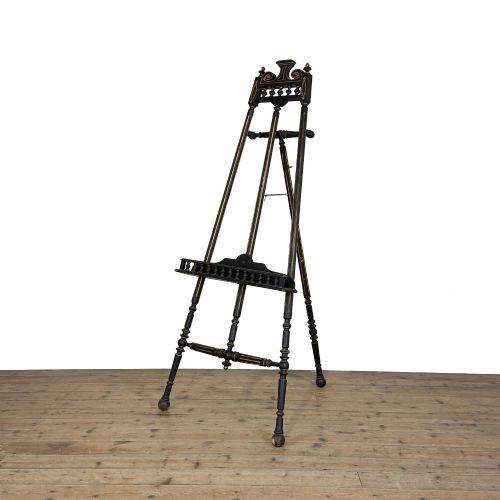
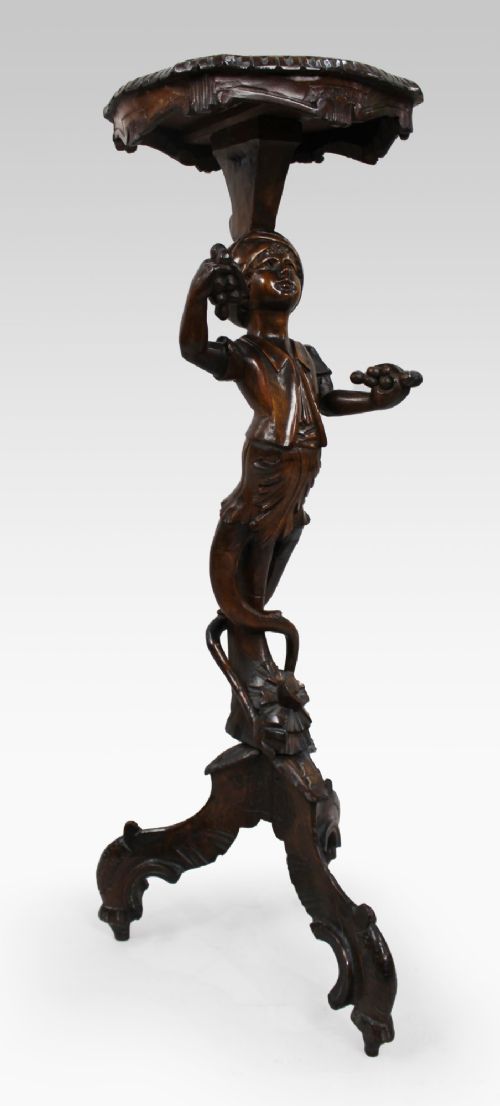
Carved Wooden Display Stand
These carved wooden display stands elevate ceramics, sculpture and plants with undeniable presence, offering collectors rich timber and meticulous hand-carving.
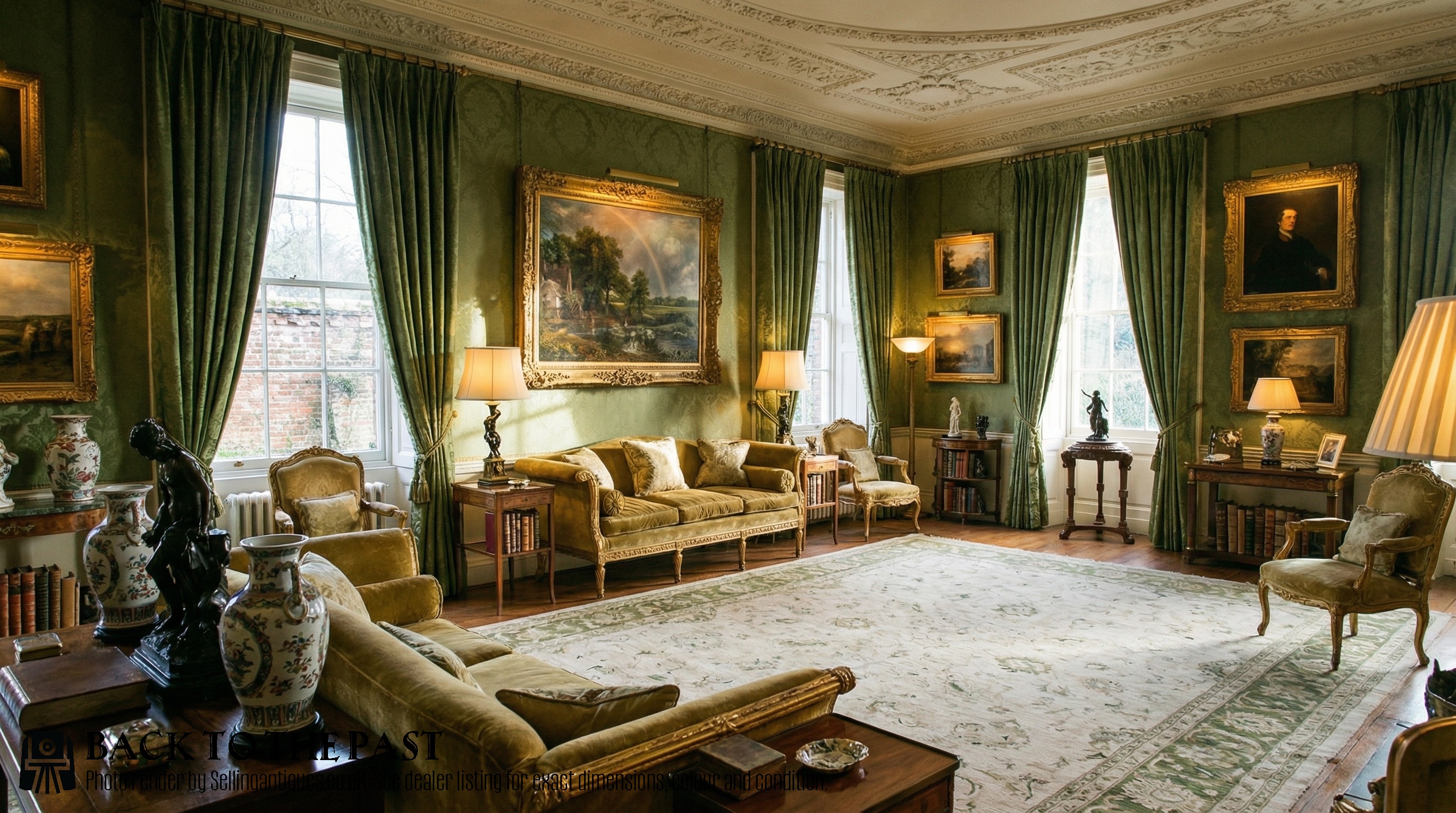
Carved Wooden Display Stand
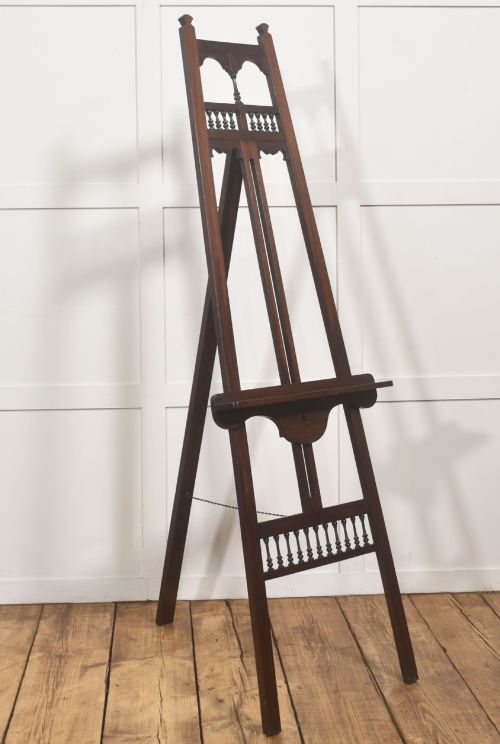
A carved wooden display stand serves as an elevated platform for decorative objects, taking various forms from urn stands and plant stands to elaborate multitiered whatnots. These pieces draw from diverse global traditions including Chinese Traditional, Meiji Period, Anglo-Indian and Victorian aesthetics.
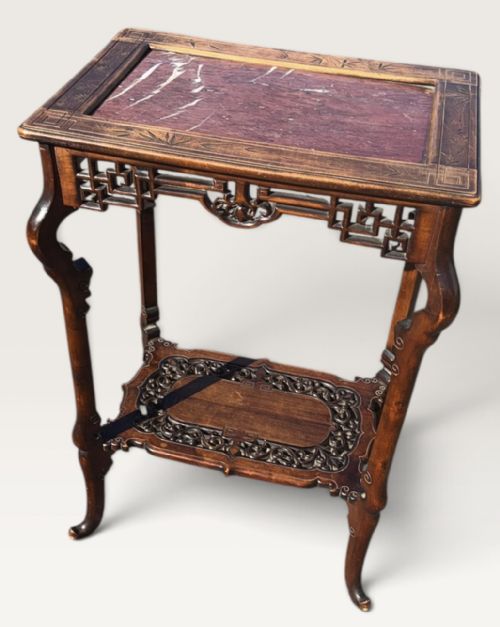
You are most likely to encounter compact marble top urn stands and hardwood pedestals alongside occasional larger freestanding walnut whatnots. The selection spans the nineteenth century through to the early twentieth century, reflecting varied regional craftsmanship.
Materials and construction
Craftsmen built these pieces using dense hardwoods, burr walnut and teak, often combining the timber framework with inset marble or soapstone panels. This integration of cold stone with warm, figured wood provided a stable, decorative surface suited to holding heavy vases or planters.
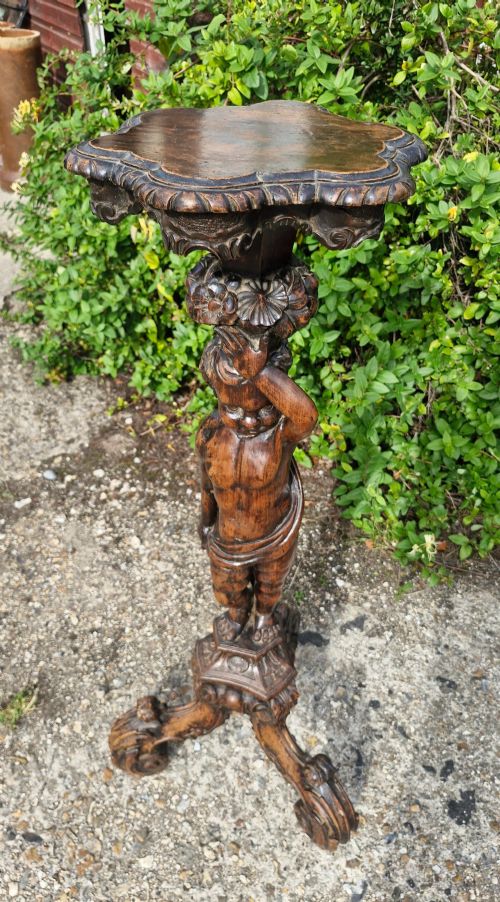
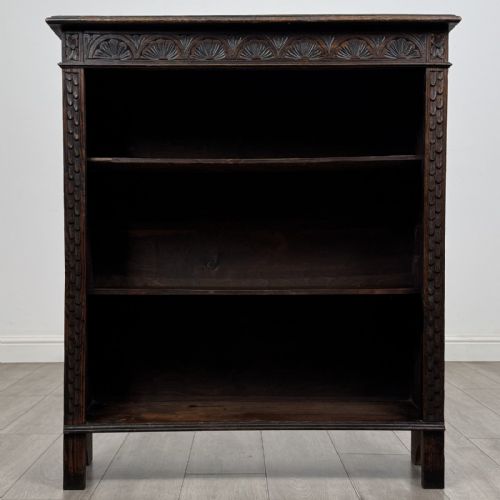
The decorative surfaces rely entirely on deep hand-carving techniques, shaping the timber into floral motifs, continuous landscapes or structural supports. Joinery remained concealed or decorative, ensuring the stands appeared substantial and balanced from every angle.
Carved Wooden Display Stand Retail Price Guide 2026
Typical asking prices for carved wooden display stand among the pieces listed under this phrase on Sellingantiques today, from the lower quarter to the upper quarter. They describe what is for sale here now, not the wider market.
Many of these stands spent their lives silently holding heavy porcelain urns, enduring centuries of enthusiastic dusting without a single complaint.
Judging quality and execution
The distinction between ordinary utility and exceptional execution rests in the crispness of the carving and the selection of timber. Finer examples feature deeply undercut foliage and impeccably fitted stone inserts, whereas simpler items rely on shallow surface incisions.
Proportion and stability dictate the upper tier of these pieces, ensuring the stand holds its intended weight without visual or physical top-heaviness. The integration of contrasting materials, such as burr walnut or soapstone, reveals the ambition of the original maker.
The Carved Wooden Display Stand Glossary
- Hardwood
- Timber derived from broad-leaved trees, prized for its density and durability. It forms the structural core of most traditional display pieces.
- Soapstone
- A talc-schist metamorphic rock that is relatively soft and easily carved. It is frequently utilised in Asian decorative arts for plaques and sculptural inserts.
- Burr walnut
- Wood taken from a walnut tree growth or burl, yielding highly figured grain patterns. It is sliced into veneers to adorn the exterior surfaces of fine furniture.
- Urn stand
- A small, elevated platform specifically proportioned to hold a ceremonial urn, vase or heavy planter. These stands often incorporate stone tops to resist moisture.
Carved Wooden Display Stand: Frequently Asked Questions
What fits on these stands?
These platforms accommodate heavy ceramic urns, bronze sculptures, potted plants and decorative art objects. The flat top surface provides secure elevation for fragile or prized possessions.
Marble and soapstone inserts offer particular resistance to moisture and scratches from heavy vessels. This makes them practical choices for displaying items that might otherwise mark polished timber tables.
How do I date a stand?
Dating relies on identifying timber species, construction methods and stylistic motifs associated with specific periods like the Victorian era or Meiji period. Hand-cut joinery and aged patination provide key indicators of age.
Exact dates remain difficult without provenance, so collectors generally attribute pieces to broad decades or centuries based on stylistic comparison. Regional carving traits further help narrow down the geographic origin.
Where should I place one?
Position these stands in corners, hallways or alongside seating where a vertical accent is required. Their compact footprint allows them to occupy unused spaces while drawing the eye upward.
Ensure the placement avoids direct sunlight and dramatic temperature fluctuations, which can warp timber or dry out historic joints. A stable floor surface is essential for taller, narrower pedestals.
Are marble tops original?
In many period pieces, the inset marble or stone top is an integral part of the original design, intended to support heavy urns safely. The fit should be flush and consistent with the surrounding timber frame.
Replacement tops do occur due to accidental breakage over the centuries, identifiable by mismatched sizing or modern adhesive use. Examining the underside reveals how the stone was originally seated and secured.