



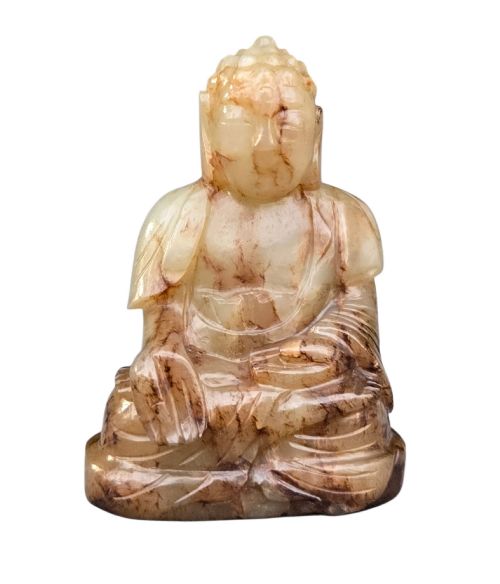


Oriental Stone Figurine
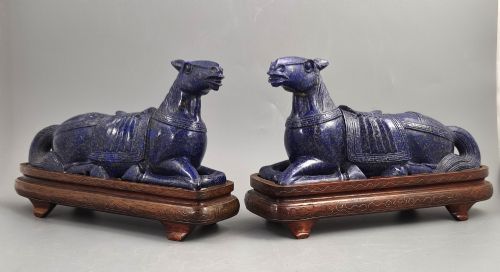
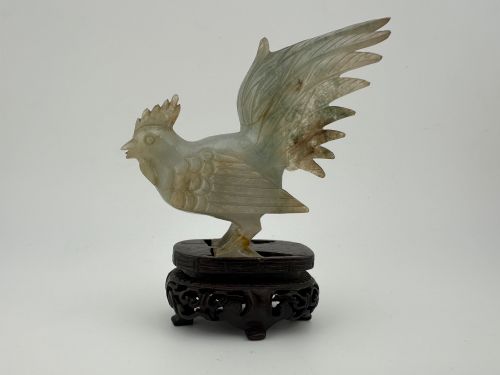
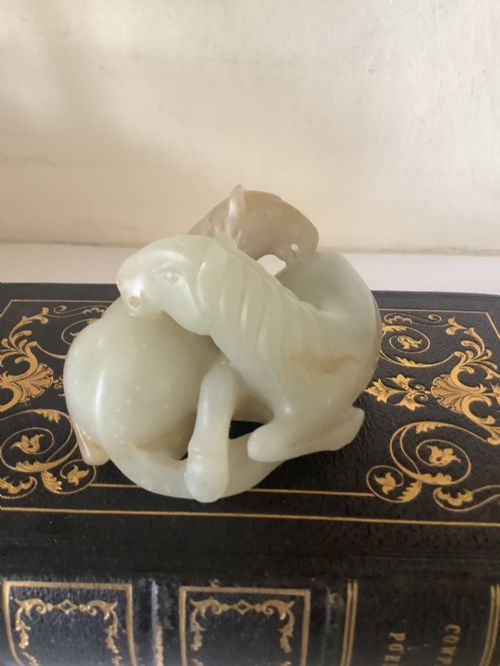
These oriental stone figurine carvings bring carved soapstone, jade and hardstone into a room, offering figures of men, sages, Buddha and animals.
Oriental Stone Figurine
An oriental stone figurine sits within traditions of Chinese decorative arts, spanning periods from pre-sixteenth century examples to the late nineteenth century. Collectors hunting an oriental stone figurine will find sculptural forms ranging from miniatures to larger desk seals, statues and figure groups.
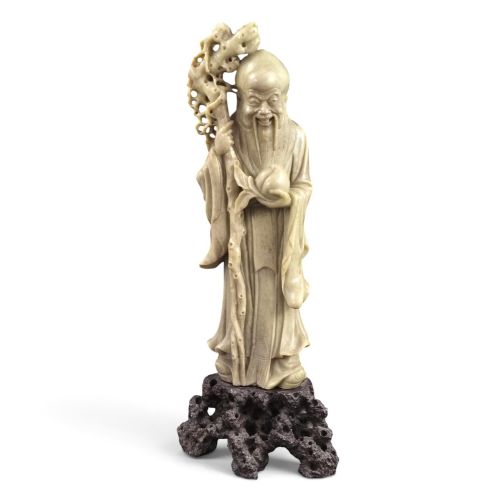
Soapstone and jade dominate the forms available, often carved into figures of Shoulao, seated Buddhas, sages and animals like horses, monkeys, geese and pigs. These pieces bridge traditional Qing Dynasty styles and earlier Ming transitions, capturing centuries of carving technique.
Materials and construction
Carvers shaped these pieces from soapstone, steatite, jade, nephrite and general hardstone, often mounting them on wooden or hardwood bases. The natural variation in the stone determined the scale and subject of each carving, from miniature fish to large monkey groups.
Intricate hand carving defined the surface details of figures, robes and animals, utilising the softness of soapstone for deep undercut foliage and the hardness of jade for polished miniature sculptures.
Oriental Stone Figurine Retail Price Guide 2026
Typical asking prices for oriental stone figurine among the pieces listed under this phrase on Sellingantiques today, from the lower quarter to the upper quarter. They describe what is for sale here now, not the wider market.
One persistent sow and her piglets carved in soapstone proves that livestock made charming companions for nineteenth-century scholars.
Markers of quality
Quality rests in the crispness of the carving and the natural quality of the material itself, distinguishing simple decorative objects from finely detailed sculptures. Finer items show confident handling of facial expressions, drapery and animal forms.
The choice of material heavily influences the piece, with translucent jade and finely grained soapstone achieving greater depth than standard hardstone. The integration of natural stone inclusions into the subject matter demonstrates superior craftsmanship.
The Oriental Stone Figurine Glossary
- Soapstone
- A talc-schist rock that is soft and easily carved, frequently utilised for nineteenth-century Chinese figures and desk seals.
- Jade
- A dense, tough gemstone comprising nephrite or jadeite, prized for its smooth texture and resistance to scratching.
- Hardstone
- A general term for semi-precious stones harder than ordinary building stone, often carved into decorative sculptures and animal figures.
- Shoulao
- The Chinese Taoist god of longevity, commonly depicted as an old man with a high forehead and a staff, seen frequently in soapstone carvings.
- Steatite
- Another name for massive talc, chemically similar to soapstone and favoured for detailed oriental carvings.
Oriental Stone Figurine: Frequently Asked Questions
What is an oriental stone figurine?
These sculptures are carved items made from materials such as soapstone, jade and hardstone, originating from Chinese artistic traditions across the nineteenth century and earlier.
They depict figures, animals and deities like Buddha and Shoulao, created primarily for decorative display or use as desk seals.
How do I care for soapstone and jade?
Soapstone is a relatively soft material that benefits from gentle dusting and protection from sharp impacts or abrasive cleaners.
Jade is much harder and more durable, requiring only occasional wiping with a soft, damp cloth to maintain its polished finish.
How are different periods identified?
Periods are identified through stylistic cues, tool marks and the specific characteristics of Qing Dynasty or earlier Ming carving traditions.
Material choice and the complexity of the subject matter also help contextualise the age of the sculpture.
Where were these figures displayed?
Historically, these carvings sat upon scholar's desks, tables and display cabinets within traditional interiors.
Today, collectors place them on mantelpieces, bookshelves and specialised stands to highlight their material and form.