



Oriental Ancestor Painting
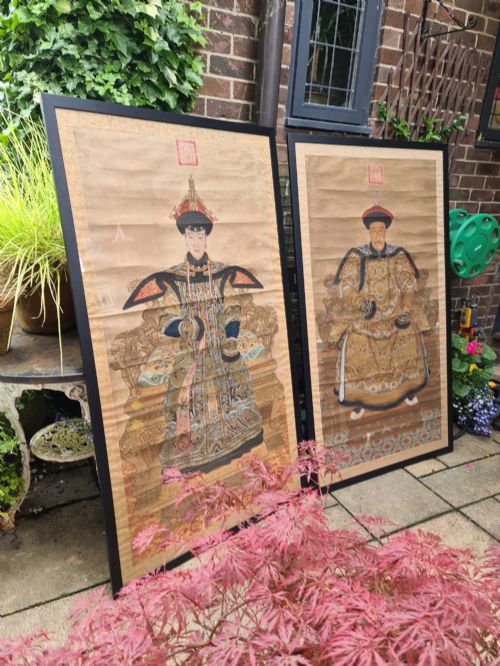
These oriental ancestor painting works are striking ancestral portraits and scrolls that bring centuries of dignified heritage straight into your home.
Oriental Ancestor Painting
An oriental ancestor painting captures revered forebears, dignitaries, and scholars in formal poses, serving as traditional memorials of lineage and status. You will encounter these works primarily as framed wall art, hanging scrolls, and watercolours dating from the nineteenth and early twentieth centuries.
The offerings on this page encompass individual portraits, paired scrolls, and group compositions executed in styles ranging from the Qing Dynasty to Chinese Export. These pieces often depict subjects with solemn expressions intended to honour family lineages and spiritual continuity.
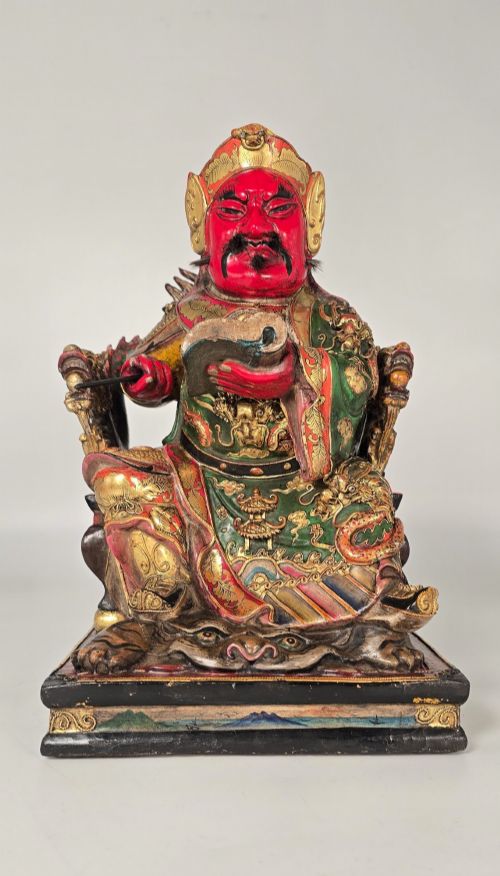
Subjects range from wealthy scholars and dignitaries to Daoist immortals, reflecting both familial devotion and spiritual hierarchy. Most examples from this selection originate from the nineteenth century or the early decades of the twentieth century.
Materials and Construction
Framed works frequently incorporate wood and gesso, occasionally paired with lacquer for three-dimensional figures and carved surrounds. Reverse glass paintings demonstrate a specialised technique where artists applied pigment directly to the reverse of the glass panel to be viewed from the front.
Oriental Ancestor Painting Retail Price Guide 2026
Typical asking prices for oriental ancestor painting among the pieces listed under this phrase on Sellingantiques today, from the lower quarter to the upper quarter. They describe what is for sale here now, not the wider market.
Daoist immortals occasionally share wall space with stern scholars, proving that even ancestors appreciated good celestial company.
Assessing Quality and Merit
The presence of original frames and intact mountings elevates the character of a piece, maintaining its historical context. Finer scrolls and paintings demonstrate a masterly control of ink and watercolour that brings depth and presence to the subject.
The Oriental Ancestor Painting Glossary
- Ancestor Portrait
- A formal painting commissioned to honour deceased family members and secure their place in the lineage. These works typically present the subject in a seated position facing forward.
- Scroll Painting
- A work executed on paper or silk designed to be rolled for storage or hung for display. They often feature traditional mounting brocades and wooden rollers.
- Reverse Glass Painting
- An artwork painted on the rear side of a glass sheet and viewed from the front. This technique produces a distinct glossy surface sheen.
- Qing Dynasty Style
- Aesthetic characteristics originating from the final imperial dynasty of China. This style emphasises formal court attire and traditional symbolic motifs.
- Pigment
- Ground colour substances mixed with a binder to create opaque paints. They provide the enduring hues found across these historical works.
Oriental Ancestor Painting: Frequently Asked Questions
What is an oriental ancestor painting?
These works are traditional portraits created to honour family forebears, scholars, and dignitaries in Chinese culture. They were traditionally displayed in ancestral halls or family homes for memorial rites.
Today, they function as striking historical wall art that brings narrative depth and traditional artistry to interior spaces.
How were these paintings displayed originally?
Hanging scrolls were unfurled for specific ceremonies and rolled away for safe storage, protecting the delicate silk and paper materials. Framed portraits and reverse glass works remained mounted on walls within domestic or ceremonial interiors.
This method of display balanced ritual necessity with the preservation of pigments and supports.
How do I care for silk and paper artwork?
Protect these fragile pieces from direct sunlight to prevent the fading of natural pigments and inks. Maintain a stable indoor environment away from excessive moisture and fluctuating humidity.
Professional framing behind UV-filtering glass ensures the ongoing preservation of the paper or silk support.
How do I identify a Qing Dynasty style piece?
Look for characteristic court robes, official insignia, and formal seated poses that denote rank and scholarly achievement. The palette often combines rich mineral pigments with precise ink outlines typical of the period.
Such details help distinguish these traditional works from later export variations.